
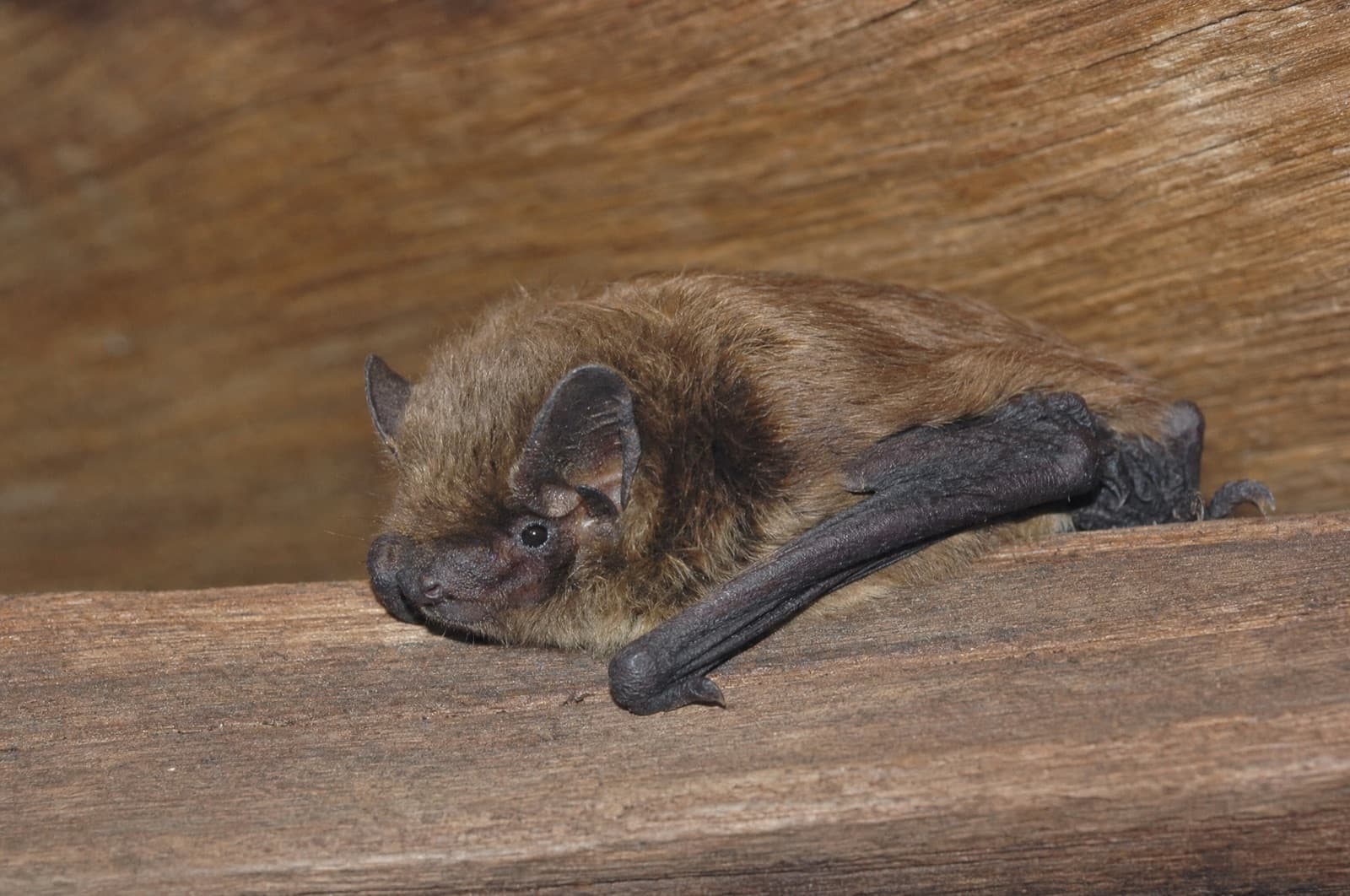
How To Get Rid Of Bats During The Winter?

Don't wait - every day increases health risks and property damage. These aggressive rodents multiply rapidly and spread dangerous diseases.

Professional elimination is the ONLY safe and effective solution. DIY methods fail 90% of the time and can make the problem worse.

24 Hours

Average response time

100%

Satisfaction guarantee

Call now for same-day, eco-friendly pest control

With over 20 years of experience, Anchor Pest offers personalized, chemical-safe quarterly subscriptions, protecting homes and businesses across Manchester and surrounding counties with ongoing peace of mind.

(603) 785-0118

Contact Us

How Do Bats Survive During The Winter?


How bats survive winter


Most temperate bats survive winter by hibernating in cold, safe places where they slow their bodies to save energy, living off fat they stored in late summer. Some species avoid deep cold by migrating to warmer areas or using short daily “torpor” on mild days. The common theme: use as little energy as possible until insects return in spring.


What their bodies do in hibernation


  • Deep torpor: Body temperature drops close to the cave’s air (about 1–10°C), so they don’t waste heat.
  • Metabolism slows: Heart rate can fall from hundreds of beats per minute to under 20; breathing becomes rare and shallow. Energy use can drop by about 95–99%.
  • Fat-fueled: Autumn feeding builds fat reserves that power the whole winter; every unnecessary wake-up burns a big chunk of this fuel.
  • Periodic arousals: They briefly warm up every few weeks to drink, move, or handle waste; then they return to torpor.
  • Clustering: Some species huddle to reduce heat loss; others hang alone where conditions are stable.


Where they spend winter and key risks


  • Hibernacula: Cool, humid, quiet sites like caves, mines, rock crevices, tree cavities, and sometimes buildings. Ideal: steady 1–10°C, high humidity (about 80–100%), no drafts, no light.
  • Migrators: Some bats travel tens to thousands of kilometers to milder climates or coastal areas with occasional winter insects.
  • Main threats: Disturbance (people or noise) forces costly wake-ups; dehydration in dry sites; and white-nose syndrome (a cold-loving fungus) that makes bats arouse too often and burn fat.
  • If found indoors in winter: Do not handle; close off the room, contact local wildlife rehabilitators; avoid waking or relocating during freezing weather.

Protect Your Family Today

Professional pest control eliminates troubles immediately. Our safe, effective treatments protect your loved ones from dangerous diseases.

Signs Of Bats During The Winter


Winter signs that bats are present


In winter, bats hide in attics, walls, or barns and stay mostly quiet. Key signs are small, dry droppings (guano) in piles under gaps, faint scratching or high “chitter” sounds on warmer evenings, dark greasy smudges around a 1/2–1 inch gap, and a musky/ammonia smell that’s stronger after a thaw. You may also see a bat inside a room or clinging to exterior walls during cold snaps.


Where and what to check


  • Attic floors under roof peaks, ridge vents, and rafters: crumbly guano piles.
  • Eaves, soffits, gable vents, chimney gaps: dark rub marks and guano below.
  • Top of garage doors and siding joints: stained, thumbnail-sized entry holes.
  • Basements/crawlspaces near pipe or wiring penetrations: scattered pellets.
  • Odor pockets near attic hatches: sweet-musk or ammonia smell.
  • Warm winter dusk: brief, rare flight near rooflines during warm spells.


How to tell bats from mice


  • Guano: bat droppings crumble to powder with shiny insect bits; mouse droppings are hard, no sparkle.
  • No gnawing: bats do not chew wood or wires; rodents leave tooth marks.
  • Noise: bats make light, irregular ticks/chitters; rodents gnaw and scurry steadily.
  • Nesting: bats don’t carry nesting material; rodents do.


What to do if you find signs


  • Do not touch bats or droppings; wear gloves and a respirator if near guano.
  • Do not seal holes in winter; trapped bats may enter living spaces.
  • Photograph signs and note dates, warmth spikes, and entry points.
  • Ventilate areas lightly; avoid stirring dust.
  • Call a licensed bat exclusion professional; plan humane sealing in spring.
  • If a bat was in a room with sleeping people or pets, call health authorities for rabies guidance.

How To Get Rid Of Bats During The Winter?

In winter, don’t try to evict a colony. Bats are hibernating; forcing them out can kill them and may be illegal. Keep them out of living spaces now, prepare the house, and plan a proper one‑way exclusion with a licensed pro during a warm spell or in spring/fall. If a bat is in a room with people, isolate it and call wildlife/health authorities.


Why winter eviction is risky


  • Bats enter torpor (deep sleep); waking them drains fat and they starve.
  • Sealing now can trap bats inside walls, causing deaths and odors.
  • Wildlife laws protect bats in many regions; fines are possible.


What to do right now (safe winter actions)


  • Keep bats out of living areas: add door sweeps, weatherstrip, screen attic hatches.
  • Block gaps from attic to indoors with 1/4" hardware cloth and sealant.
  • Pre-seal exterior gaps ≥ 3/8" everywhere except the main bat exit.
  • Install 1/4" mesh chimney cap and screen gable/soffit vents.
  • Reduce attic warmth: seal ceiling penetrations, improve insulation, fix gaps.
  • Do not use poisons, glue traps, ultrasonic or chemical repellents.


When and how to exclude


  • Choose a window with 3–5 nights above 45–50°F and not during maternity season (often May–July; confirm locally).
  • Install one-way devices (bat cone/tube or netting) on the primary exit at dusk.
  • Leave devices for 7–10 warm nights, then permanently seal the exit.
  • Use polyurethane/silicone caulk, backer rod, flashing; or hire a licensed bat specialist.


Health and cleanup


  • If someone slept in a room with a bat, call public health; rabies checks may be needed.
  • Never handle bats bare-handed; use thick gloves and a box only if instructed.
  • Clean guano after exclusion: dampen, wear P100/N95, HEPA-vac, bag and dispose.

Spotted Any of These Signs?

Don't risk your family's health. Our certified technicians can be at your property within 24 hours.

Professional Solution That Actually Works

Our certified technicians eliminate pests infestations completely and permanently.
Here's what you get:

🔍

Immediate Assessment

Trained experts identify entry points and nesting areas

🛡️

Safe Treatment

Pet and family-friendly methods used

🎯

Complete Elimination

Targets entire colony, not just visible insects or rodents

📋

Prevention Plan

Long-term exclusion strategies

🧽

Health Protection

Proper cleanup and sanitization

Guarantee

Service warranty and follow-up visits

Our 3-Step Elimination Process

🔍

1. Immediate Inspection

Complete property assessment within 24 hours

🎯

2. Targeted Elimination

Safe, effective treatment of entire colony

🛡️

3. Prevention Plan

Long-term exclusion and monitoring

Ready to Solve This Problem Forever?

Join thousands of satisfied customers who chose professional pest control.
100% satisfaction guarantee.

Quarterly Subscription Plans • Licensed & Insured • Same-Day Start • 100% Satisfaction Guarantee