
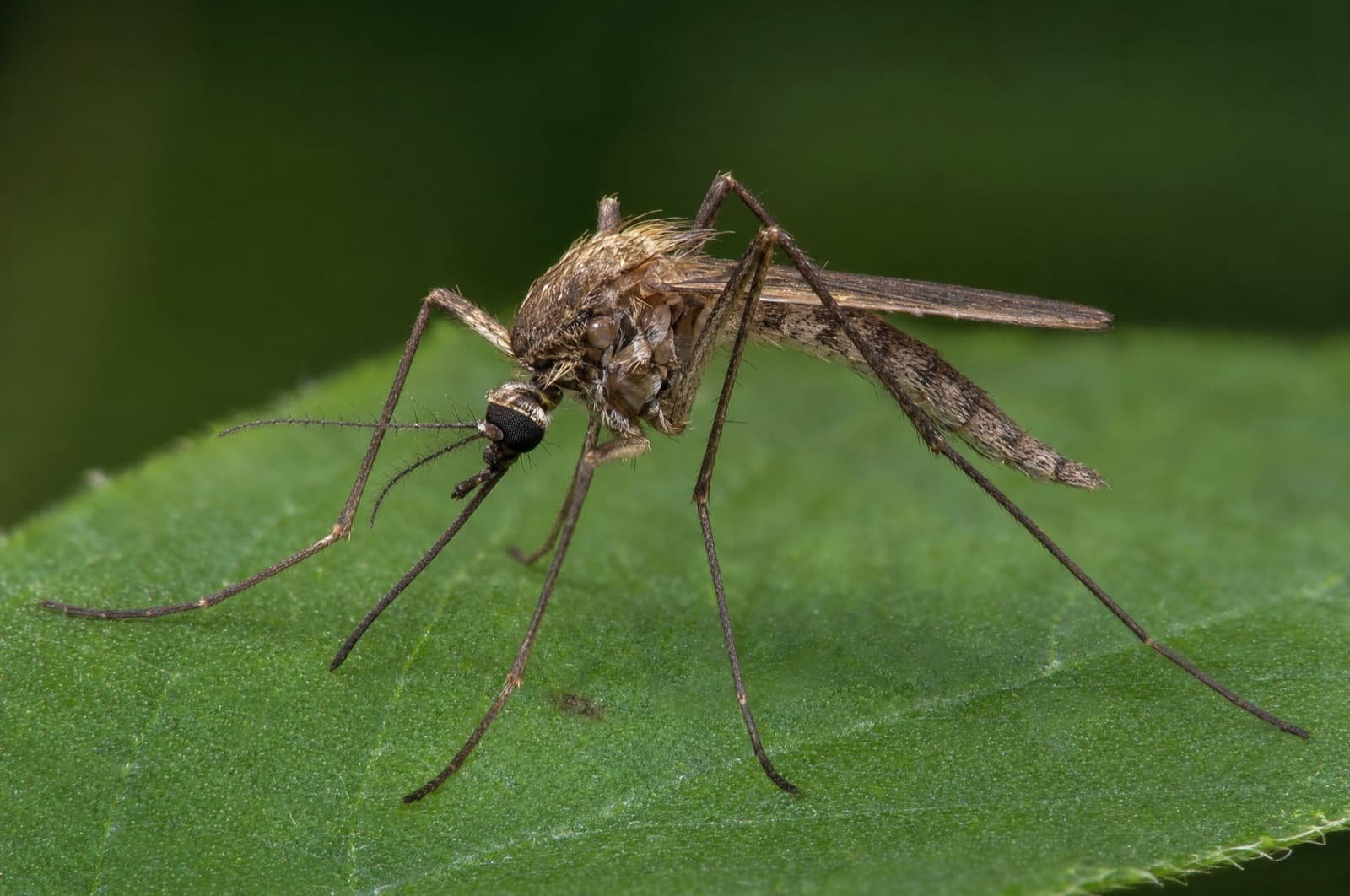
How To Get Rid Of Mosquitoes During The Winter?

Don't wait - every day increases health risks and property damage. These aggressive rodents multiply rapidly and spread dangerous diseases.

Professional elimination is the ONLY safe and effective solution. DIY methods fail 90% of the time and can make the problem worse.

24 Hours

Average response time

100%

Satisfaction guarantee

Call now for same-day, eco-friendly pest control

With over 20 years of experience, Anchor Pest offers personalized, chemical-safe quarterly subscriptions, protecting homes and businesses across Manchester and surrounding counties with ongoing peace of mind.

(603) 785-0118

Contact Us

How Do Mosquitoes Survive During The Winter?


Short answer


Most mosquitoes survive winter by “pausing” life: hardy eggs wait until spring to hatch, some larvae live slowly under ice, and some already-mated females hide in sheltered spots with natural antifreeze in their bodies, then restart when days lengthen and temperatures rise.


How they do it


Mosquitoes use diapause, a safe sleep-like state triggered by short days and cooling fall temperatures.
• Eggs (common in Aedes, like floodwater mosquitoes): laid on damp surfaces, they dry out yet survive freezing; spring rain/flooding wakes them.
• Larvae (some species): remain in cold, unfrozen water under ice, feeding slowly until warmth returns.
• Adult females (notably Culex pipiens and some Anopheles): overwinter already mated in attics, cellars, culverts, tree holes, sheds. They produce antifreeze chemicals (e.g., glycerol) to prevent ice damage and do not seek blood until spring.


Where they spend winter


Cool, protected, and humid places: basements, crawl spaces, storm drains, animal burrows, hollow logs, barns, sheds, under bridges, dense leaf litter, and permanent ponds or marshes beneath ice.


What wakes them up


Longer days and sustained temps above about 10°C/50°F. Snowmelt and spring rains flood egg sites, triggering mass hatching; overwintered females resume flying, sugar-feed first, then seek blood to make eggs.


How to reduce next spring’s mosquitoes


  • In fall, dump/cover containers, tires, buckets, tarps; clean gutters.
  • Seal gaps, repair screens; close vents with fine mesh.
  • Maintain water movement in ponds; stock mosquito-eating fish where allowed.
  • In early spring, treat standing water with Bti (biological larvicide); refresh birdbaths weekly.
  • Fix outdoor leaks and low spots that hold meltwater.

Protect Your Family Today

Professional pest control eliminates troubles immediately. Our safe, effective treatments protect your loved ones from dangerous diseases.

Signs Of Mosquitoes During The Winter


Reliable signs you have mosquitoes in winter


  • Itchy, single raised welts on exposed skin (ankles, wrists, neck), often after dusk or near plants/water.
  • High‑pitched “whine” around ears in quiet rooms, basements, or garages.
  • Adults resting on walls/ceilings: slim, long‑legged, narrow‑bodied; often in dark, humid spots near windows or drains.
  • Larvae (“wrigglers”) in standing water: thin, comma‑shaped, hanging at the surface, darting down when disturbed.
  • Pupae (“tumblers”) in water: small comma‑shapes that flip/tumble when tapped.
  • Eggs: Culex egg “rafts” look like tiny black specks/rafts on water; Aedes eggs are single black seeds stuck just above the waterline inside containers.


Where to look indoors (even when it’s cold outside)


  • Plant saucers, cut‑flower vases, pet bowls, humidifier or dehumidifier buckets, sump pits, floor drains, toilet tanks not often flushed.
  • Uncovered rain barrels in attached garages, buckets, mop pails, or any container water sits in for 5–7 days.
  • Warm rooms with sunlight and moisture (laundry rooms, boiler rooms, bathrooms).


Outdoor signs during mild spells (>10°C / 50°F)


  • Buzzing or biting near south‑facing walls, sheds, woodpiles, or leaf litter on sunny afternoons.
  • Larvae in snowmelt puddles, clogged gutters, tarps, buckets, wheelbarrows, birdbaths, and tree holes.
  • Small dusk swarms over hedges/driveways after a warm day.


Common look‑alikes (not mosquitoes)


  • Fungus gnats: tiny, weak fliers over potting soil; don’t bite.
  • Drain flies: fuzzy, moth‑like insects lingering near sinks and showers.
  • Midges: outdoor swarms that don’t bite; thicker bodies than mosquitoes.

How To Get Rid Of Mosquitoes During The Winter?


Quick answer


Cut off water and entry points. Empty or treat any standing water with BTI, seal gaps and maintain tight screens, run fans, reduce indoor humidity, clean drains and trays, and use targeted traps or professional treatments if needed.


Why mosquitoes are around in winter


Many species survive as eggs in water or as adult females hiding in garages, sheds, basements, and warm rooms. Warm spells and heated spaces let them stay active.


Outdoors: remove breeding spots


  • Dump water weekly: buckets, toys, plant saucers, tarps, grill covers, wheelbarrows.
  • Clean gutters and drain flat roofs so water doesn’t pool.
  • Cover rain barrels tightly with fine mesh; add BTI (Bacillus thuringiensis israelensis) dunks/granules to any water you can’t drain.
  • Aerate ornamental ponds or use BTI; don’t rely on fish alone in cold temps.
  • Store items upside down; stretch and secure tarps so they shed water.
  • Keep sheds/garages as cold and dry as practical; close doors promptly.


Indoors: stop hiding and breeding


  • Fix leaks; run a dehumidifier in damp basements to keep humidity under 50%.
  • Empty and scrub plant saucers; change pet water daily.
  • Pour hot water down seldom-used floor drains weekly; add BTI granules to sumps.
  • Install/repair tight window and door screens; add door sweeps and weatherstripping.
  • Use oscillating fans; mosquitoes avoid moving air.
  • Vacuum resting adults on walls/ceilings.


Targeted controls


  • Repellents on skin: EPA-registered DEET, picaridin, IR3535, or oil of lemon eucalyptus.
  • Traps with CO₂ or heat/attractant can reduce adults in enclosed spaces; avoid UV zappers (kill non-targets).
  • Residual insecticides on resting sites are effective but require label care; consider a licensed pro.

Spotted Any of These Signs?

Don't risk your family's health. Our certified technicians can be at your property within 24 hours.

Professional Solution That Actually Works

Our certified technicians eliminate pests infestations completely and permanently.
Here's what you get:

🔍

Immediate Assessment

Trained experts identify entry points and nesting areas

🛡️

Safe Treatment

Pet and family-friendly methods used

🎯

Complete Elimination

Targets entire colony, not just visible insects or rodents

📋

Prevention Plan

Long-term exclusion strategies

🧽

Health Protection

Proper cleanup and sanitization

Guarantee

Service warranty and follow-up visits

Our 3-Step Elimination Process

🔍

1. Immediate Inspection

Complete property assessment within 24 hours

🎯

2. Targeted Elimination

Safe, effective treatment of entire colony

🛡️

3. Prevention Plan

Long-term exclusion and monitoring

Ready to Solve This Problem Forever?

Join thousands of satisfied customers who chose professional pest control.
100% satisfaction guarantee.

Quarterly Subscription Plans • Licensed & Insured • Same-Day Start • 100% Satisfaction Guarantee