
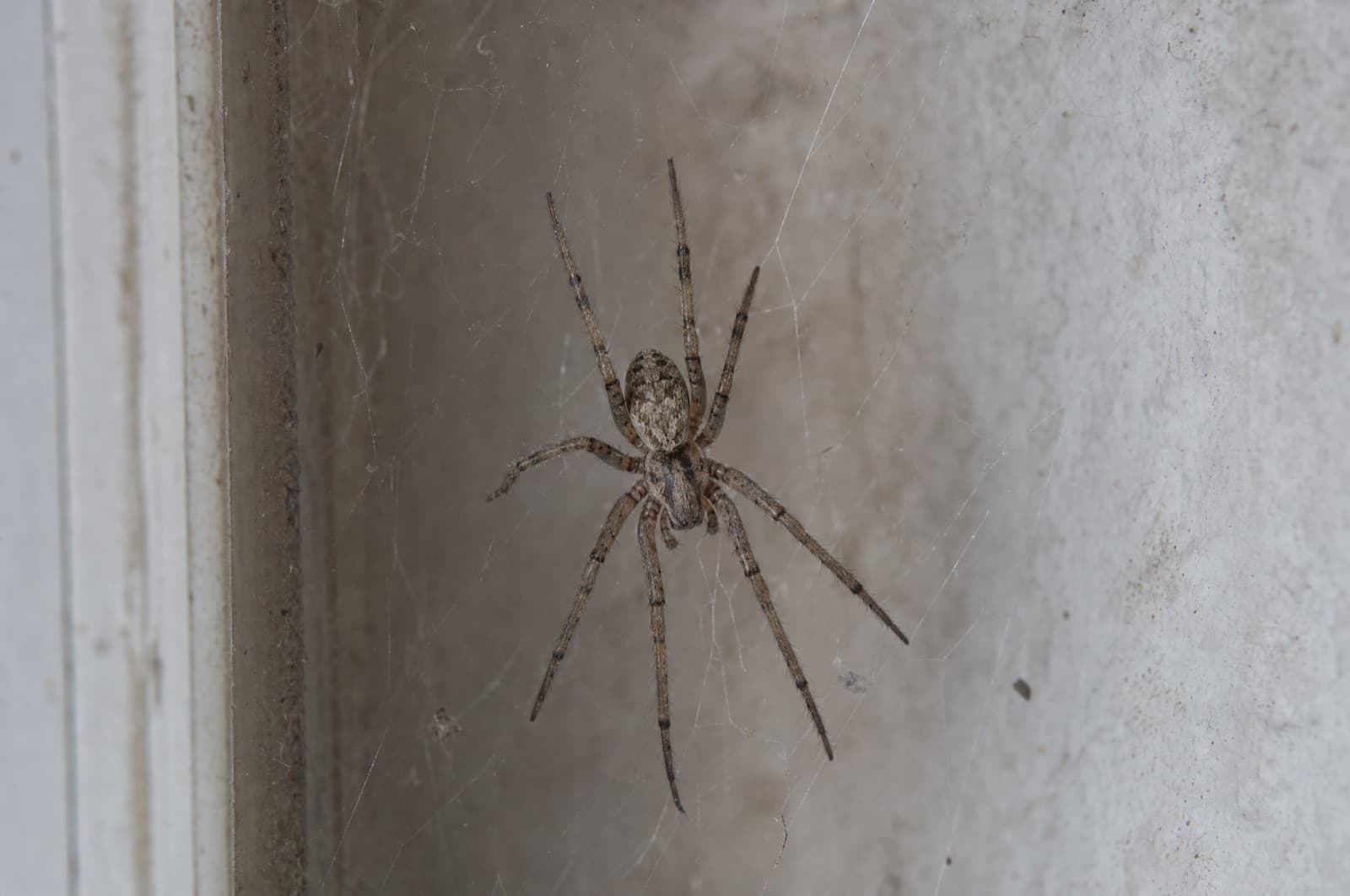
How To Get Rid Of Spiders During The Winter?

Don't wait - every day increases health risks and property damage. These aggressive rodents multiply rapidly and spread dangerous diseases.

Professional elimination is the ONLY safe and effective solution. DIY methods fail 90% of the time and can make the problem worse.

24 Hours

Average response time

100%

Satisfaction guarantee

Call now for same-day, eco-friendly pest control

With over 20 years of experience, Anchor Pest offers personalized, chemical-safe quarterly subscriptions, protecting homes and businesses across Manchester and surrounding counties with ongoing peace of mind.

(603) 785-0118

Contact Us

How Do Spiders Survive During The Winter?


Short answer


Most spiders survive winter by slowing their bodies down, hiding in insulated places, and making “antifreeze” chemicals that stop their cells from freezing. Many spend winter as eggs or young; some adults persist in sheltered spots, and indoor species simply live on in heated buildings.


How their bodies cope with cold


Spiders are ectotherms (their body temperature follows the air). As days shorten and temperatures drop, hormones trigger diapause, a pause-like state that lowers metabolism and saves energy. They load their blood-like fluid with cryoprotectants—glycerol, sorbitol, and antifreeze proteins—that bind water and reduce ice formation. This lowers their supercooling point, letting body fluids stay liquid well below 0°C (often to about −5 to −20°C, species dependent). Mild dehydration further reduces ice risk. Some species tolerate brief, controlled freezing in non-critical spaces between cells; most avoid freezing altogether.


Behavior and shelter


Spiders retreat to stable, buffered microhabitats that rarely hit extreme lows:

  • Under bark, leaf litter, logs, or rocks
  • Soil burrows, cracks in walls or foundations
  • Attics, garages, sheds, window frames
  • Silk retreats that add insulation and reduce water loss
Snow cover can act like a blanket, keeping ground-level shelters near 0°C.


Life-cycle strategies


  • Egg overwintering: Many orb-weavers die in fall; their insulated silk egg sacs carry the species through winter.
  • Juvenile overwintering: Wolf and jumping spiders hatch before winter and pause growth until spring.
  • Adult overwintering: Funnel weavers and some house spiders shelter and remain sluggish but alive.


What about “house spiders”?


Species adapted to buildings are present year-round indoors. They don’t need special winter tricks beyond modest activity and available prey.

Protect Your Family Today

Professional pest control eliminates troubles immediately. Our safe, effective treatments protect your loved ones from dangerous diseases.

Signs Of Spiders During The Winter

Short answer: In winter, spiders persist indoors or in protected outdoor spots. Look for fresh, sticky cobwebs or single silk strands, small white egg sacs, dark ink-like droppings, papery shed skins, wrapped insect husks, and live spiders near warm, damp, undisturbed areas. Outside, egg sacs tucked in eaves are the main clue.


Indoors: key signs and places


  • Fresh sticky cobwebs; dusty webs are old. Strands across walkways mean activity.
  • Egg sacs: pea-sized white or gray silk balls in corners and under furniture.
  • Droppings: dark, inky specks or drips on walls, trim, and floors beneath webs.
  • Shed skins: thin, spider-shaped husks near webs or in storage areas.
  • Prey remains: dry, wrapped insect shells below or inside webs.
  • Live spiders: common in bathrooms, basements, utility rooms, window frames, and vents.


Outdoors in winter


  • Egg sacs on eaves, soffits, behind shutters, and siding gaps.
  • Harborage in stacked firewood, storage bins, and meter or hose boxes.
  • Old webs in corners of porches, sheds, and under patio furniture.


Confirm and reduce activity


  • Use sticky traps along baseboards and corners to verify presence.
  • Vacuum webs and egg sacs; seal and discard the bag.
  • Seal gaps at doors, windows, and vents; add sweeps and screens.
  • Reduce clutter and humidity; run a dehumidifier in basements.
  • Dim or change exterior lights to attract fewer insects (spider food).
  • Store firewood outside; inspect before bringing pieces indoors.
  • Call a pro if frequent sightings, bites, or high-risk species are suspected.

How To Get Rid Of Spiders During The Winter?


Quick answer: Seal entry points, remove webs, reduce indoor bugs, set sticky traps, and tidy indoors/outdoors; call a pro if activity persists.


  • Seal gaps, add door sweeps and intact screens.
  • Lower humidity, fix leaks, reduce clutter, store firewood outside.
  • Use warm/yellow exterior bulbs or turn lights off to attract fewer insects.
  • Vacuum spiders, webs, and egg sacs; empty the canister into a sealed bag outdoors.
  • Place sticky traps along baseboards, corners, and near doors/garages/basements.


Seal and block entry


  • Caulk gaps around windows/doors, baseboards, pipes, and cables; add weatherstripping and door sweeps.
  • Repair torn screens; screen attic/crawlspace vents; add fine mesh to weep holes.
  • Foam or caulk utility penetrations and foundation cracks.


Clean, declutter, and reduce other bugs (spiders’ food)


  • Weekly dust and de-web ceilings, corners, and window frames.
  • Store items in lidded plastic bins, off the floor; avoid cardboard piles.
  • Seal food, wipe crumbs, take out trash; fix leaks and dehumidify to under 50%.
  • Outdoors: trim plants 12–18 inches from the house, thin mulch, remove leaf/wood piles, keep firewood 20 feet away and elevated.


Remove, trap, and when to use treatments


  • Vacuum is safest and fastest; for live capture, use a cup and stiff paper to release outside.
  • Sticky traps reveal hotspots and reduce numbers; replace every 4–6 weeks.
  • Repellents (peppermint/cedar) may help short-term; reapply weekly; they are not a cure.
  • If needed, use a labeled perimeter spray on exterior foundation and indoor baseboards; follow labels, keep kids/pets away.
  • Call a licensed pro if you see many spiders after 2–3 weeks, identify venomous species, or can’t seal entry points.

Spotted Any of These Signs?

Don't risk your family's health. Our certified technicians can be at your property within 24 hours.

Professional Solution That Actually Works

Our certified technicians eliminate pests infestations completely and permanently.
Here's what you get:

🔍

Immediate Assessment

Trained experts identify entry points and nesting areas

🛡️

Safe Treatment

Pet and family-friendly methods used

🎯

Complete Elimination

Targets entire colony, not just visible insects or rodents

📋

Prevention Plan

Long-term exclusion strategies

🧽

Health Protection

Proper cleanup and sanitization

Guarantee

Service warranty and follow-up visits

Our 3-Step Elimination Process

🔍

1. Immediate Inspection

Complete property assessment within 24 hours

🎯

2. Targeted Elimination

Safe, effective treatment of entire colony

🛡️

3. Prevention Plan

Long-term exclusion and monitoring

Ready to Solve This Problem Forever?

Join thousands of satisfied customers who chose professional pest control.
100% satisfaction guarantee.

Quarterly Subscription Plans • Licensed & Insured • Same-Day Start • 100% Satisfaction Guarantee