
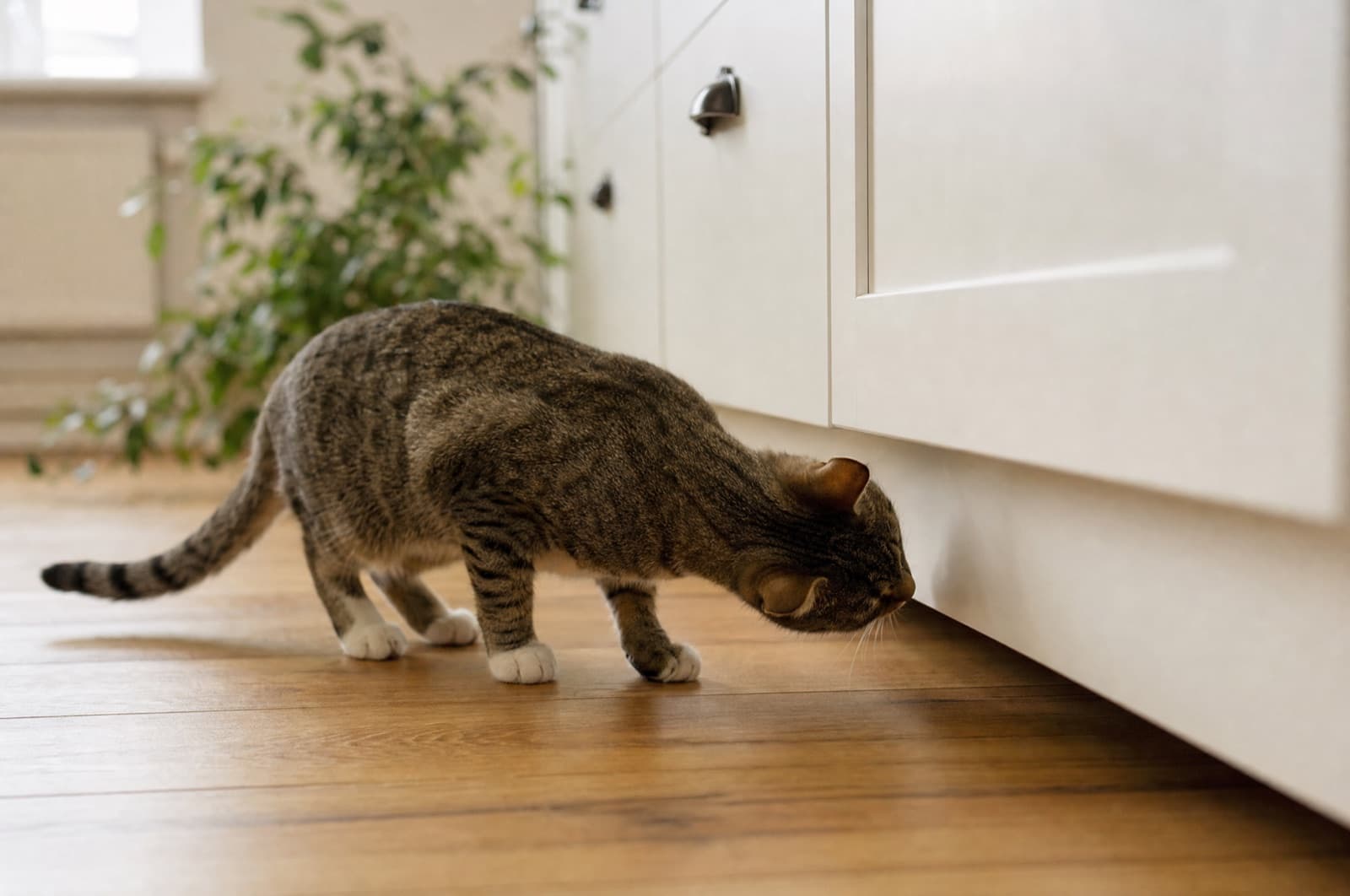
Is Gentrol IGR Concentrate by Zoecon Safe for Pets?
At a Glance
- Product: Gentrol IGR Concentrate by Zoecon · Zoecon
- Active ingredient: (S)-Hydroprene 9.0%
- Re-entry: Re-entry after visibly dry, per the Gentrol label.
- Cat owners: Cats differ — read the cat card below
The short, honest answer
The score rolls up every per-species verdict below, weighted by the honest exposure that matters — a chewed-open tube, not a hidden dab — and is checked against the EPA label and veterinary toxicology.
A growth regulator, not a nerve poison — very low toxicity to pets, but the concentrate's solvent carrier still deserves caution.
Gentrol IGR Concentrate is (S)-hydroprene 9.0%, an insect growth regulator (EPA Reg. No. 2724-351) that disrupts insect metamorphosis rather than causing acute nerve poisoning the way pyrethroids do. This is a mechanistically different chemistry from most of this cluster, and it should be graded on its own evidence: EPA and USDA assessments describe hydroprene as having very low toxicity to mammals, including cats — the class-level feline pyrethroid-sensitivity narrative simply does not apply here. The real pet caution with this product is the petroleum-distillate solvent carrying the concentrate, which can cause GI upset or aspiration risk if ingested while undiluted or wet.
General information, not veterinary advice. For a suspected exposure, contact your veterinarian or a pet-poison hotline. Verdict checked 2026-07-13 against the EPA label and veterinary toxicology.
It's not one answer — it's one per animal
Cats, birds, and fish routinely differ sharply from dogs. That contrast is the whole point of this scorecard, and no manufacturer page draws it.
- DogsCaution
- CatsCaution
- Small mammalsCaution
- BirdsSafe
- FishCaution
The IGR itself is very low risk; the solvent is the real caution
Hydroprene has very low toxicity to mammals per EPA/USDA reviews. The concentrate's petroleum-distillate carrier can cause GI upset or aspiration risk if the undiluted liquid is ingested — keep the sealed bottle away from dogs and keep them off wet treated surfaces until dry.
USDA-ARS hydroprene mammalian toxicity review; Gentrol label/SDS
No pyrethroid-style feline sensitivity applies to this product
Hydroprene is not a pyrethroid, so the class-level feline glucuronidation concern used elsewhere in this cluster does not apply here. The caution for cats is the same as for dogs: the solvent carrier and staying off wet surfaces until dry.
NPIC Hydroprene General Fact Sheet
Keep off wet surfaces; solvent, not the IGR, is the concern
Same solvent/irritation logic as dogs and cats — keep small pets off wet treated surfaces until dry and away from the undiluted concentrate.
Gentrol label/SDS
EPA/USDA assessments find very low risk to birds
Federal risk assessments find hydroprene very low risk to non-target vertebrates, including birds. Still keep cages away from wet spray and any solvent fumes during application.
EPA registration review — methoprene/kinoprene/hydroprene
Far less acutely fish-toxic than the pyrethroids in this category
Insect growth regulators are far less acutely toxic to fish than pyrethroid barrier sprays, but the concentrate itself should never contaminate an aquarium or waterway — prevent runoff and direct contact.
EPA registration review — hydroprene ecological risk assessment
What's in it — and what it does to pets
A juvenile-hormone-analog insect growth regulator that disrupts insect metamorphosis rather than acting on the nervous system. EPA classifies it as a low-risk biopesticide, and USDA-ARS review describes it as having virtually non-toxic effects on mammals. It is not expected to cause the acute neurologic signs associated with pyrethroids.
USDA-ARS hydroprene review; EPA low-risk biopesticide classification
How to use it safely around pets
This concentrate is typically applied as a crack-and-crevice or harborage treatment for roaches, stored-product pests, and bed bugs — usually in spots pets don't routinely access. The pet-safety focus is the wet solvent-carrying concentrate, not a residual nerve-poison film.
Keep the sealed concentrate away from pets
The undiluted product contains a petroleum-distillate solvent carrier; store it sealed and out of reach before and after use.
Apply as directed to cracks, crevices, and harborage areas
Treat baseboards, cracks, and pest harborage as the label directs — these are generally not areas pets directly contact.
Keep pets off wet surfaces until dry
Let treated surfaces dry fully before pets return to the area.
No acute-nerve residual concern once dry
Because hydroprene targets insect development rather than the nervous system, the dried film does not carry the same repeated-contact caution as a pyrethroid barrier.
Keep pets off treated surfaces until fully dry; keep the sealed undiluted concentrate out of reach at all times.
Re-entry after visibly dry, per the Gentrol label.
Unlike the pyrethroid barrier sprays in this category, there is no acute-nerve residual hazard from the dried IGR film — the practical caution is the wet solvent-carrying concentrate.
Want a lower-toxicity growth-regulator program handled for you?
Anchor's licensed NH technicians apply IGR treatments as part of a pet-conscious pest program.
Symptoms to watch for
A sign, its urgency, and what to do — never a diagnosis. When in doubt, the emergency panel below is one tap away.
- Moderate
Drooling
If the undiluted concentrate is ingested — a solvent effect, not from the IGR active
- Moderate
Vomiting
- Moderate
Lethargy or drowsiness
- Serious
Coughing or labored breathing
Aspiration risk from the petroleum-distillate solvent
Act now — call a vet or a pet-poison line
Do not induce vomiting unless told to
If your pet ingested this concentrate or contacted wet product, act now — bring the product label or container when you call. This page is general information, not veterinary advice — for a suspected exposure, contact your veterinarian or ASPCA Animal Poison Control (888-426-4435) right away.
What each situation calls for
Your pet licked or drank some of the undiluted concentrate
Do not induce vomiting — aspiration of a petroleum-distillate solvent can be more dangerous than the ingestion itself. Call your vet or a pet poison hotline immediately.
Your pet contacted a treated surface while it was still wet
Wipe the area dry with a cloth if accessible, keep the pet off it until fully dry, and monitor for drooling or GI upset. Call your vet if signs appear.
Your pet is coughing or having trouble breathing after contacting the concentrate
Treat as an emergency — this suggests possible aspiration of the solvent carrier. Get to a vet immediately.
In the next 60 seconds
- Get your pet away from the concentrate and any wet treated surface.
- Do NOT induce vomiting — aspiration risk from the solvent carrier can be more dangerous than ingestion.
- Watch closely for coughing, labored breathing, or drowsiness.
- Have the product name and EPA registration number ready.
- Call your veterinarian or one of the hotlines below.
ASPCA Animal Poison Control
(888) 426-4435
24/7; a consultation fee may apply
Pet Poison Helpline
(855) 764-7661
24/7; a per-incident fee applies
Northern New England Poison Center
(800) 222-1222
24/7 human poison control — for household/child exposure context; call a vet or the pet lines above for pet guidance
Safer pet-friendly alternatives
Honest options that reduce or remove pet-toxicity — no affiliate hype, real caveats included.
Professional IGR + sanitation program by Anchor Pest Services
SaferLicensed professional service
A licensed applicator handles the concentrate directly, so pets and family never contact the undiluted solvent carrier.
A service, not a product.
Sealing pest harborage
SaferNon-chemical
Closing off cracks and voids where roaches and other pests hide reduces the need for repeated IGR treatment.
Best paired with, not a substitute for, active treatment during an infestation.
Roach/ant baits in stations
SaferEnclosed, out of pet reach
Confines any active ingredient to a sealed station instead of an open treated surface.
Targets different pests than an IGR; often used together.
Moisture and food-source reduction
SaferNon-chemical
Removing what draws pests in lowers how much product is needed over time.
Won't eliminate an established infestation on its own.
Pet-conscious growth-regulator treatment in New Hampshire
IGRs like Gentrol are among the lower-toxicity chemistries pest professionals use, but they're still a concentrate — and applying pesticides for hire in New Hampshire requires a commercial applicator certified by the NH Department of Agriculture, Markets & Food (NHDAMF) Division of Pesticide Control under RSA 430. Anchor Pest Services (License #782664) folds Gentrol into a broader, pet-conscious program across Manchester, Nashua, Concord, and the surrounding towns, handling the concentrate directly so your pets don't have to be near it.
NH-licensed applicator #782664 (NHDAMF, RSA 430) · NEPMA member · family-owned since 2017.
Service Area Map
Southern New Hampshire
Frequently asked questions
Sources(6)
- [1]Zoëcon Gentrol IGR Concentrate product page
(S)-hydroprene identification, EPA Reg. No. 2724-351 (facts only, not the verdict)
manufacturerverified 2026-07-13 - [2]Gentrol IGR Label/SDS
Hydroprene 9%, "harmful if swallowed or absorbed through skin," petroleum distillate carrier and aspiration note
manufacturerverified 2026-07-13 - [3]Gentrol IGR Safety Data Sheet
Petroleum-distillate solvent composition, aspiration hazard
manufacturerverified 2026-07-13 - [4]NPIC — Hydroprene General Fact Sheet
IGR/biopesticide classification and low mammalian toxicity
npicverified 2026-07-13 - [5]EPA Registration Review — Methoprene/Kinoprene/Hydroprene
Avian and mammalian risk quotients near zero for hydroprene
epa_labelverified 2026-07-13 - [6]USDA-ARS review — hydroprene mammalian toxicity
"Virtually non-toxic effects on mammals"
govverified 2026-07-13
Written & reviewed by
VerifiedDaniel Brady
NH-Licensed Pesticide Applicator · License #782664 (NHDAMF, RSA 430)
Daniel Brady is the New Hampshire–licensed applicator behind Anchor Pest Services, a family-owned pest control company serving the Manchester area since 2017.
Last updated 2026-07-13
Pet-Safe Professional Pest Control
Lower-Toxicity Chemistry, Still Handled With Care
Anchor Pest Services incorporates growth-regulator treatments into pet-conscious pest programs across southern and central New Hampshire. Family-owned since 2017, NH license #782664.
- Pet-conscious targeted placement
- NH-licensed applicators (#782664)
- Free inspection — same-day service across southern NH
NH License #782664 · No obligation · We answer in person
Your next step
- Book a NH pro
Pest Control Services
Licensed, family-owned pest control across southern NH.
Book now - What to do next
How to Use Gentrol IGR Concentrate by Zoecon
Read the answer - What to do next
How to Use Precor IGR Concentrate for Fleas by Zoecon
Read the answer - Also relevant
Chemical Control for Roaches, Silverfish, Crickets & Termites
Read the answer - Related guide
Is Precor IGR Concentrate for Fleas by Zoecon Safe for Pets?
Read the answer - Related guide
Is Suspend SC Insecticide Concentrate by Bayer Safe for Pets?
Read the answer