
How to Prevent Mold Mites in a Kitchen with Recurring Moisture Under the Sink
Mold mites under the kitchen sink mean there's a plumbing leak feeding mold growth in that cabinet — the mites are simply eating what the leak grew.
This is usually a quick, contained fix. Once the leak stops and the cabinet dries out, there's nothing left for either the mold or the mites.
At a glance
- What it is: A moisture symptom
- The driver: A slow plumbing leak keeping the cabinet damp
- Who fixes it: You can handle this
Mold mites under the kitchen sink mean there's a plumbing leak feeding mold growth in that cabinet — the mites are simply eating what the leak grew.
This is usually a quick, contained fix. Once the leak stops and the cabinet dries out, there's nothing left for either the mold or the mites.
Pull the right lever, not the sprayer
The organism is downstream of one condition. Remove that condition and it has no foothold — which is why prevention here is rarely a pesticide.
The driver
A slow plumbing leak keeping the cabinet damp
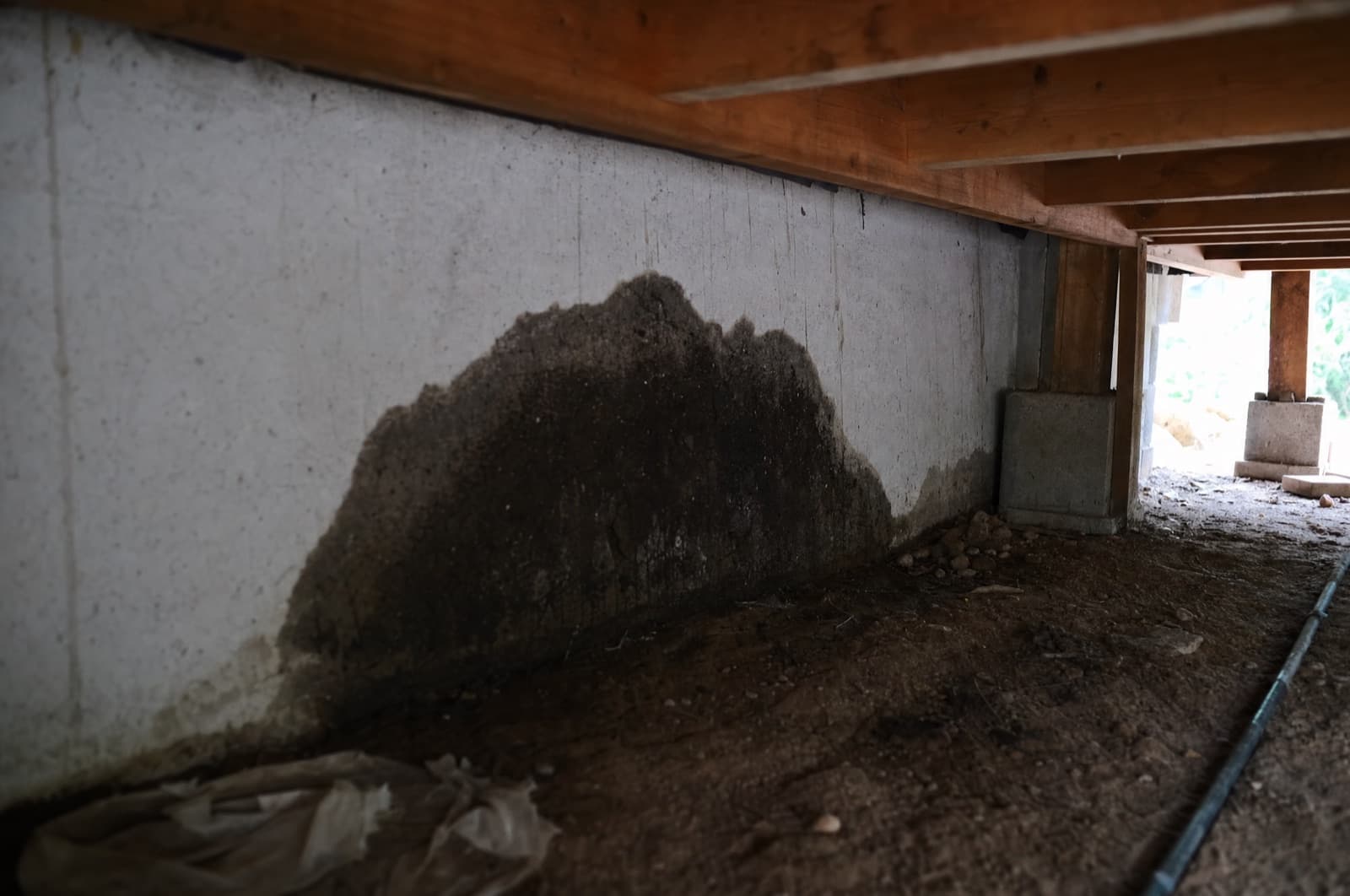
A recurring drip or slow leak under a sink keeps the cabinet interior chronically damp, which is enough moisture to support mold growth on the cabinet floor, walls, or stored items. Mold mites feed on that mold, so their appearance under the sink is a direct signal of an active leak, not an independent kitchen pest problem.
Source:EPA— A Brief Guide to Mold, Moisture and Your Home
This isn't a spray-the-bug problem
Treating the mites chemically does nothing about the leak that's keeping the cabinet wet, and mold will simply keep growing back to feed a new mite population as long as the moisture source is active — the mite is the last link in the chain, not the first one to address.
The right tool instead: Fix the leak itself, then dry the cabinet promptly. A dry cabinet with no ongoing water source ends the problem completely, without any chemical treatment.
4 levers, honestly ranked
Sorted by what actually moves the driver — primary first, theatre last. Effort is graded so you know what's a five-minute fix and what's a real project.
- Primary — moves the driverHire a pro
Fix the leak
Identify the source of the recurring moisture — a loose supply line fitting, a worn drain gasket, or a slow leak at the garbage disposal connection are common culprits — and repair it. This is the step that actually stops the problem from recurring.
- Primary — moves the driverQuick DIY
Dry the cabinet within 24-48 hours
Remove stored items, wipe down all wet surfaces, and use a fan or leave the cabinet doors open to air out and dry fully. EPA identifies this as the window for preventing mold growth after water exposure — acting quickly matters more than any cleaning product used.
- SupportingQuick DIY
Clean any existing mold and remove damp debris
Wipe down visible mold on cabinet surfaces, and discard any porous items — cardboard packaging, paper liners, sponges — that have been wet for an extended period and can't be reliably dried and cleaned.
- OptionalQuick DIY
Ventilate and periodically monitor the cabinet
Once the leak is fixed, leaving the cabinet doors cracked periodically and checking for any renewed dampness helps catch a future leak early, before it has time to support mold growth again.
Whose job is this, really?
Who actually fixes it
You can handle this
Drying the cabinet and monitoring it are homeowner tasks; the leak itself may be a simple DIY fix (tightening a fitting) or may need a plumber depending on the source.
The leak recurs, its source isn't obvious, or it involves the disposal or drain assembly — that's the point to call a plumber rather than repeatedly drying out the cabinet.
How this calibrates for NH
Standard moisture-management principles apply regardless of season here — a kitchen leak is a plumbing issue year-round, though NH's humid summer months can make a damp cabinet take longer to fully dry out on its own without active ventilation.
NH-licensed applicator #782664 (NHDAMF, RSA 430) · NEPMA member · family-owned since 2017.
Frequently asked
Sources(3)
- [1]EPA
A Brief Guide to Mold, Moisture and Your Home
- [2]Iowa State University Extension
Mold Mites
- [3]NH DHHS
Mold and Moisture (Health Officer Manual)
Written & reviewed by
VerifiedDaniel Brady
NH-Licensed Pesticide Applicator · License #782664 (NHDAMF, RSA 430)
Daniel Brady is the New Hampshire–licensed applicator behind Anchor Pest Services, a family-owned pest control company serving the Manchester area since 2017.
Your next step
Anchor Pest Services
Have a different pest question?
This one may not be a pesticide job — but if you're facing something that is, we serve Southern New Hampshire with a free inspection and same-day service.
- NH-licensed applicator
- Same-day service
- Pet & family-conscious
NH License #782664 · No obligation · We answer in person