
Skip to content
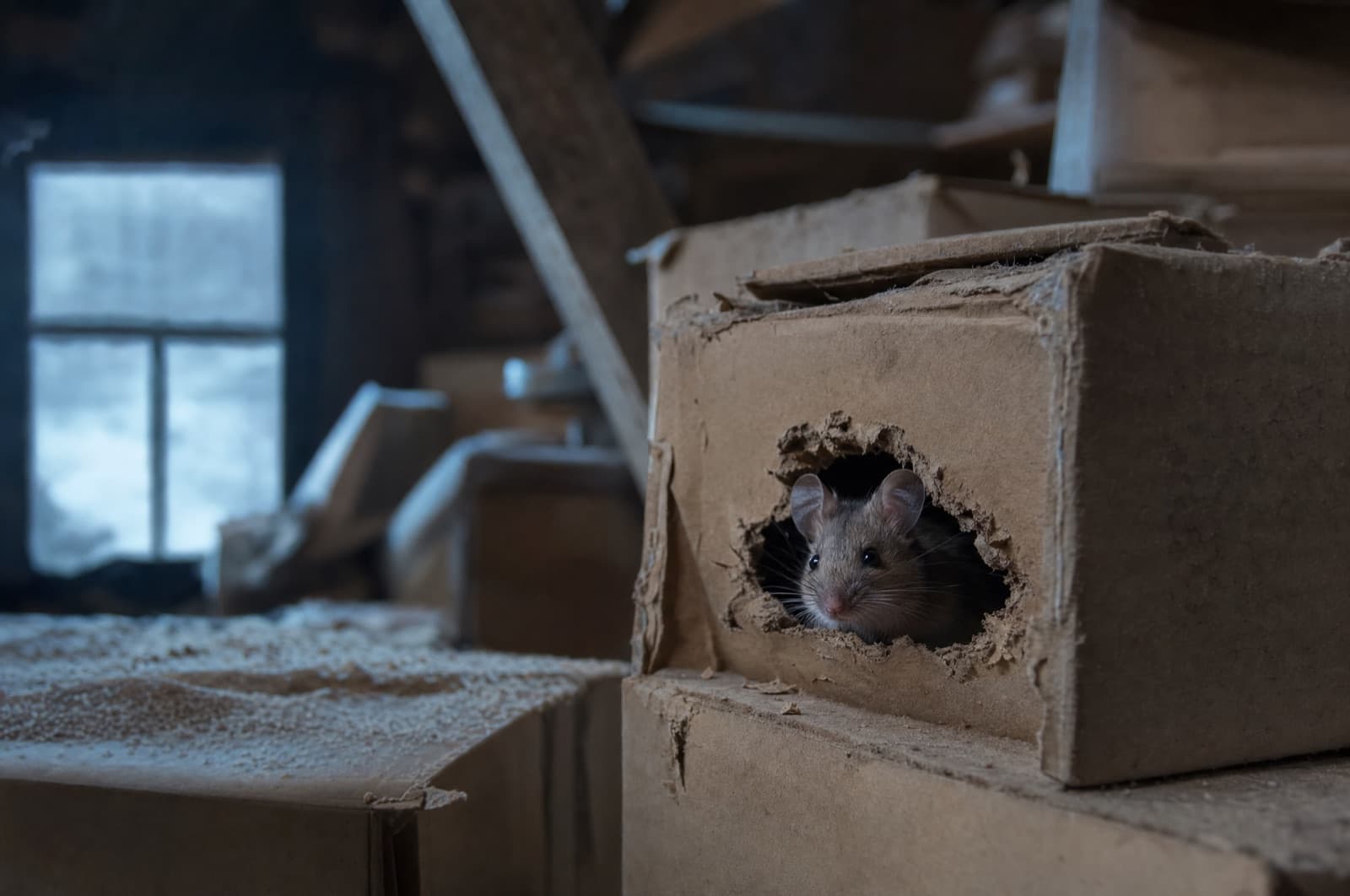
A house mouse in a gnawed cardboard storage box in a cold New Hampshire attic
Daniel Brady · NH-Licensed Pesticide Applicator · License #782664
Reviewed by Daniel Brady

Can firewood contamination lead to pests inside homes?

Moderate risk factor — often mis-framed in both directions
Moderate, and this question is frequently mis-framed in both directions.Insects riding inside firewood — bark beetles, wood borers, carpenter ants, powderpost beetles, spiders, and overwintering roaches — do emerge when logs warm up indoors, sometimes even mid-winter, but most of them are harmless nuisances that never infest finished, dry structural wood or furniture. The genuine risk is behavioral, not biological: storing wood indoors or in an attached garage for days gives carpenter ants or powderpost beetles time to find and colonize damp structural wood nearby. Bring in only what you'll burn promptly, and this risk drops close to zero.

At a glance

  • The verdict: Moderate risk factor — often mis-framed in both directions
The honest answer

The short of it

The verdict
Moderate risk factor — often mis-framed in both directions

Moderate, and often exaggerated one way and dismissed the other: most bugs riding indoors on logs are harmless nuisances that end when the wood burns — the real risk is what you store indoors before it does.

Why your house

How much this factor matters

Insects riding indoors inside firewood, and wood stored indoors before burningModerate factor
Why

Purdue Extension states that wood-boring insects already living in stacked logs "may emerge, even during mid-winter" once the wood is brought somewhere warm, but the same source is explicit that these insects "do not attack finished or dried wood inside the home" — they emerge, wander briefly, and die without establishing a new infestation in furniture or structural lumber. Termites occasionally carried in with firewood follow the same pattern: Nebraska Extension notes they "die naturally when removed from the area of their parent colony," since a termite separated from its colony and food source has no path to survive or reproduce indoors. The genuine hazard identified by Michigan State University Extension is narrower and behavioral: powderpost beetles "can move from the logs to other wood that is unfinished," meaning unfinished structural lumber, exposed joists, or unsealed furniture stored near firewood are a real colonization risk, and carpenter ants can similarly establish in damp structural wood if logs sit indoors long enough to create the right conditions nearby.

Yes — you can change this
Bring in only same-day wood rather than staging several days' supply indoors or in an attached garage, which removes most of the window powderpost beetles or carpenter ants would need to find and colonize nearby unfinished wood. Inspect and knock logs before bringing them in to dislodge any insects riding along the bark, and never store firewood in direct contact with unfinished structural lumber. If you find powderpost-beetle exit holes and fresh, fine sawdust-like frass in structural wood — as opposed to old, inactive damage — get an identification from an extension diagnostic lab before assuming the source is your firewood specifically.

Assessed from: Purdue Extension E-67; Michigan State University Extension; Nebraska Extension (Lancaster County)

In depth

The full picture

01

The mis-framing in both directions

One version of this question treats every bug that crawls out of a log as an infestation risk; the other assumes firewood is entirely harmless because it's natural, outdoor material. Neither is accurate. Extension research is clear that insects genuinely do emerge from firewood indoors — sometimes mid-winter, well after the wood was cut and stacked — but the overwhelming majority of them are incapable of establishing in finished wood, furniture, or structural lumber. They emerge, they wander, and they die.

That's not the same as "firewood is risk-free," though. A narrower, genuine risk exists, and it's worth understanding precisely rather than either dismissing the whole topic or over-worrying about it.

02

What actually happens when a bug from a log emerges indoors

Bark beetles, many wood borers, spiders, and overwintering cluster flies or lady beetles that came in on a log are simply looking for a way back outside once warmth wakes them up. Purdue Extension notes borers can emerge even mid-winter, which surprises people who assume the risk period ends once the wood's been indoors a day or two — but critically, the same source confirms these insects don't attack finished or dried wood inside the home. They're a temporary nuisance, not an infestation starting point.

Termites occasionally riding in with a log follow an even more definitive pattern: separated from their parent colony, they die naturally rather than establishing a new colony indoors, since they have no path to a food source or a queen once removed from the original habitat.

03

The one real risk: what sits next to your firewood

The genuine hazard is narrow and specific. Powderpost beetles can move from logs to nearby unfinished wood — exposed joists, unsealed furniture, structural lumber that hasn't been painted or sealed — and carpenter ants can establish in damp structural wood if conditions are right. Both of these require time and proximity: a log sitting indoors for a day before burning doesn't create meaningful risk, but a stack maintained indoors or in an attached garage for an extended period does.

The fix follows directly from the mechanism: bring in only what you'll burn promptly, and keep any indoor storage away from unfinished wood surfaces. That single habit change addresses essentially the entire real risk.

Key takeaways
5 points
  • Most insects that emerge from firewood indoors — including mid-winter — are harmless nuisances that cannot infest finished, dry structural wood or furniture.
  • Termites carried in with firewood die naturally once separated from their parent colony and food source.
  • The genuine risk is narrow: powderpost beetles and carpenter ants can colonize nearby unfinished structural wood if firewood is stored indoors for extended periods.
  • Bring in only same-day wood and inspect/knock logs before entry to remove nearly all of the practical risk.
  • Fresh exit holes and fine, sawdust-like frass in structural wood warrant an extension diagnostic-lab identification before assuming the cause.
New Hampshire context

Firewood habits in a New Hampshire winter

Wood heat is common across southern and central New Hampshire, and it's routine for households to bring in a few days' supply at a time, especially once temperatures drop after Manchester's first hard frost, typically October 19 to 29 (NOAA). That habit is fine for the harmless-nuisance category of firewood insects, but it's worth reviewing if wood is regularly staged for several days near unfinished basement framing or garage joists.

A simple adjustment — bringing in closer to a single day's supply and keeping any indoor stack away from bare structural wood — removes the genuine risk without changing how the household heats.

  • NH-licensed #782664

    Southern New Hampshire

  • Family-owned

    Since 2017

  • Honest routing

    Even when it isn’t us

We serve these communities

ManchesterNashuaConcordDerryBedfordSalemHudsonAmherst

Same-day wood, no indoor staging — that's the whole fix.

If you're finding fresh exit holes in structural wood near where firewood sits, that's worth a professional identification.

Follow-up questions

Frequently asked

Sources & citations(4)
  1. Purdue Extension — E-67 Insects in Firewood

    Borers may emerge indoors mid-winter but do not attack finished or dried wood inside the home

    extensionverified 2026-07-16
  2. Michigan State University Extension — Use Firewood Wisely and Keep Out Unwanted Pests

    Powderpost beetles can move from firewood logs to nearby unfinished wood

    extensionverified 2026-07-16
  3. Nebraska Extension (Lancaster County) — Don't Create a Firewood Haven for Rodents and Insects

    Termites carried in with firewood die naturally when removed from their parent colony

    extensionverified 2026-07-16
  4. NOAA — Manchester, NH freeze climatology

    Manchester first hard frost typically ~Oct 19-29 — the seasonal window when firewood use ramps up

    govverified 2026-07-16

Written & reviewed by

Verified

Daniel Brady

NH-Licensed Pesticide Applicator · License #782664 (NHDAMF, RSA 430)

Daniel Brady is the New Hampshire–licensed applicator behind Anchor Pest Services, a family-owned pest control company serving the Manchester area since 2017.

Verify license

Last updated Jul 2026

Honest pest help for New Hampshire homes

Most Firewood Bugs Are Nuisances. A Few Aren't. We'll Tell You Which.

A single beetle emerging from a warm log almost never means anything — we'd rather say that plainly than sell you a treatment for a non-problem. Where Anchor Pest Services helps is identifying genuine powderpost beetle or carpenter ant activity in structural wood, and handling it if it's real. Family-owned since 2017, NH license #782664, serving Manchester, Nashua, Concord and nearby towns.

  • Honest advice — we'll tell you when it's a harmless nuisance, not an infestation
  • NH-licensed applicators (#782664) — free inspection, same-day service
  • Rodent and wood-pest exclusion across southern and central New Hampshire

NH License #782664 · No obligation · We answer in person