
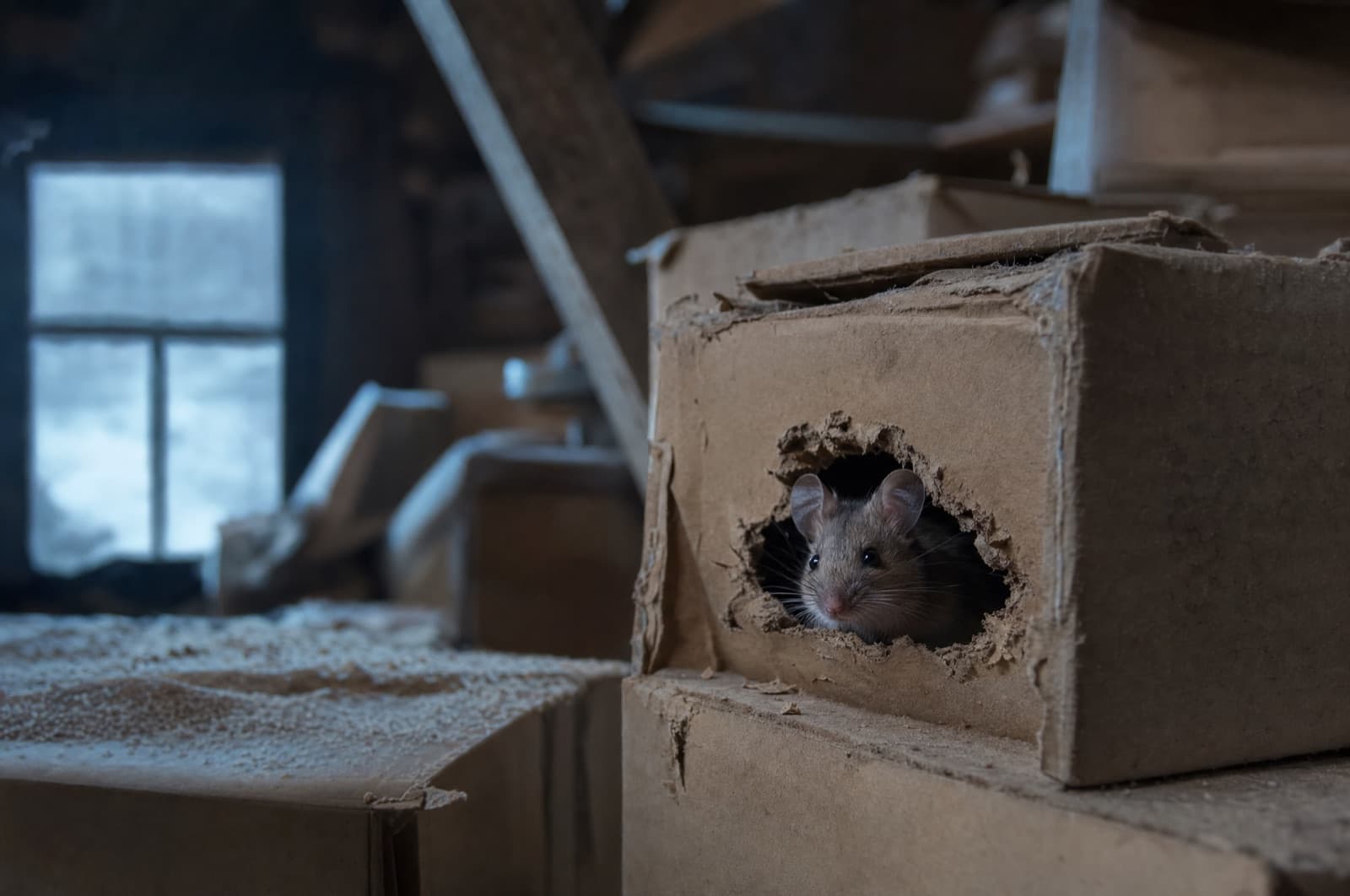
Why snow specifically makes this worse, not just present
Voles feed on bark and roots year-round to some degree, but the winter pattern is distinct: with fruit, seeds, and live grass unavailable, they shift specifically to bark as a food source, and heavy snow cover changes both how safe that feeding is and how much of the trunk they can reach. UNH Extension's direct language is worth repeating: with good snow cover, voles are hidden from predators, so the damage can be especially bad. UC IPM adds the physical dimension — where snow sits deep, damage can extend a foot or more up a trunk, well above what a vole exposed on bare ground would risk climbing or reaching for.
This is the honest 'yes' in this cluster with the strongest, most specific literature behind it: two distinct New Hampshire vole species, named and described by UNH's own extension service, with a clearly stated mechanism for why snow cover specifically worsens the outcome.