
Skip to content
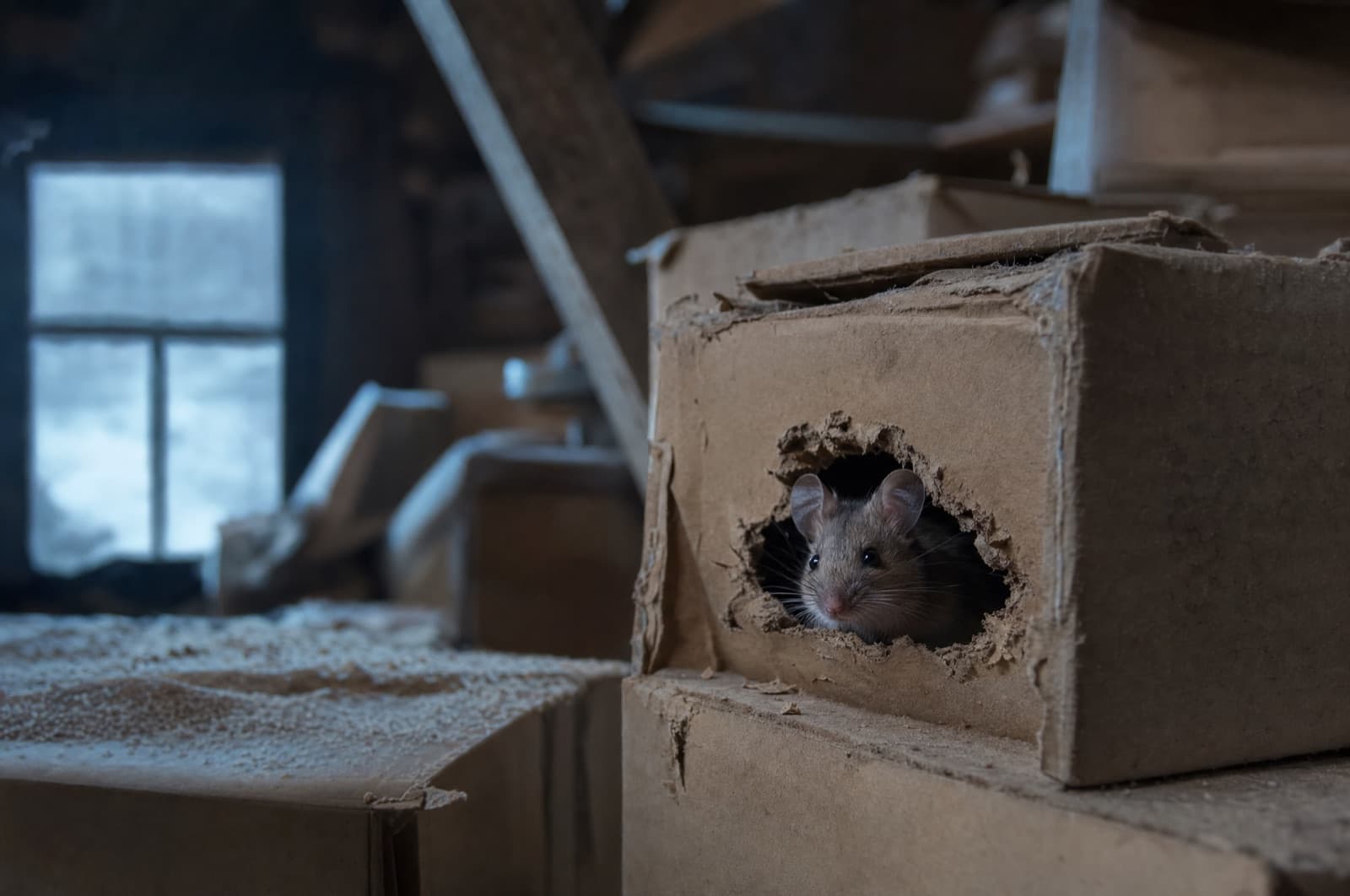
A house mouse in a gnawed cardboard storage box in a cold New Hampshire attic
Daniel Brady · NH-Licensed Pesticide Applicator · License #782664
Reviewed by Daniel Brady

What seasonal pests should I worry about after winter ends?

Closing — winter's rodent pressure eases, spring's overwinterers wake up
As winter closes out, expect two distinct things: overwintering insects — lady beetles, cluster flies, stink bugs, boxelder bugs — coming out of diapause and moving toward windows trying to get back outside, and outdoor rodent activity near the foundation becoming more visible as populations that sheltered there over winter resurface and breeding continues. Neither is a new infestation appearing from nowhere; both are existing populations reacting to the same warming trend, which makes early spring a genuinely useful window to inspect your home before the pattern repeats next fall.

At a glance

  • The verdict: Closing — winter's rodent pressure eases, spring's overwinterers wake up
The honest answer

The short of it

The verdict
Closing — winter's rodent pressure eases, spring's overwinterers wake up

As winter ends, overwintering insects reactivate and head for windows while resurfacing outdoor rodent activity becomes more visible — early spring is a high-value inspection window.

When it has to happen

The winter timing window

The window
Window is closing

Late winter through early spring in New Hampshire — roughly March through April — as indoor rodent pressure eases somewhat and overwintering insects begin actively moving toward daylight.

Why that date

Warming temperatures and lengthening daylight pull overwintering insects out of diapause; Colorado State University Extension notes cluster flies specifically "move outdoors in early spring" once the warming trend is sustained rather than a single mild day. At the same time, CDC rodent guidance frames rising activity and continued breeding as part of the same warming pattern — populations that built up indoors or near the foundation over winter simply become more noticeable as temperatures rise and animals move around more.

If you missed it
If you didn't seal entry points before last fall's frost, early spring is still a legitimate window to inspect and seal — you're doing it as preparation for next fall rather than mid-crisis triage. If you have rodent activity that built up over winter, address it now rather than waiting for it to resolve on its own; nothing about spring naturally clears an established indoor population.
Next year’s date
Target exclusion work by Labor Day or mid-September, well ahead of Manchester's first hard frost (~Oct 19-29, NOAA) and before the fall overwintering-insect push and the seasonal rise in rodents seeking indoor shelter both begin.
In depth

The full picture

01

The two things spring actually reveals

As winter loosens its grip, homeowners tend to notice two very different populations becoming active at once, and it's easy to read both as new problems when neither one is. The first is the overwintering insect group — Asian lady beetles, cluster flies, stink bugs, boxelder bugs — that entered the house last fall specifically to wait out the cold. The second is rodent activity around the foundation and yard that was there all winter but becomes easier to spot as snow melts and animals move around more in warmer weather. Both are the tail end of a story that started months earlier, not a fresh invasion arriving with spring.

02

Overwinterers heading for the light

The same warming and lengthening daylight that triggered fall entry behavior works in reverse come spring. Colorado State University Extension describes cluster flies moving "outdoors in early spring" once the warming trend holds, and the same general pattern applies to the other overwintering insects in this hub — they come out of diapause, become noticeably more active, and head toward windows and light sources trying to get back outside. This is a good-news phase in most respects: these insects aren't reproducing indoors and aren't causing damage, and the population you're seeing head for the windows is naturally thinning out on its own as it successfully exits.

03

Rodents don't 'end' when winter does — they just become more visible

Rodents are a different story, because — as covered in depth elsewhere in this hub — they don't hibernate and their indoor breeding doesn't pause for winter the way outdoor breeding does. What changes in spring is visibility: snow melts, animals range farther as temperatures rise, and any population that quietly grew indoors or near the foundation over winter becomes easier to spot through fresh droppings, gnaw marks or activity outdoors. That's exactly why early spring is worth treating as an inspection window rather than a relief — it's the best time to assess what actually happened over winter and address it before the next fall's entry push begins the cycle again.

Key takeaways
5 points
  • Overwintering insects reactivate in early spring and head toward windows, trying to get back outside — this is the tail end of last fall's entry, not a new problem.
  • Rodent activity that built up over winter becomes more visible in spring as snow melts and animals move around more.
  • Neither pattern is a new infestation appearing from nowhere; both are existing populations responding to warming.
  • Early spring is a truly useful inspection window — assess what happened over winter and address any rodent activity now.
  • The real prevention window for next year is late summer: target exclusion by Labor Day or mid-September, ahead of the fall frost.
New Hampshire context

The New Hampshire spring transition

Manchester's winter runs against a first hard frost of roughly October 19 to 29 (NOAA), and the reverse transition — warming enough to pull overwintering insects out of diapause and get rodents moving around more visibly — typically plays out through March and into April. That gives homeowners a reasonably long window to walk the foundation, check for new gaps that opened up over winter (frost heave and ice can shift siding and mortar), and note any rodent signs before deciding whether exclusion work is needed ahead of next fall.

  • NH-licensed #782664

    Southern New Hampshire

  • Family-owned

    Since 2017

  • Honest routing

    Even when it isn’t us

We serve these communities

ManchesterNashuaConcordDerryBedfordSalemHudsonAmherst

Spring is for inspecting. Late summer is for sealing.

Walk the foundation now, note what needs sealing, and act on any rodent signs from winter. If exclusion work is needed, that's a genuine job for us before next fall.

Follow-up questions

Frequently asked

Sources & citations(3)
  1. Colorado State University Extension — Cluster Flies and other Winter Flies

    Overwintering insects move outdoors in early spring as warming trend is sustained

    extensionverified 2026-07-16
  2. CDC — Hantavirus Prevention (rodent exclusion guidance)

    Rodent activity and exclusion guidance relevant to the winter-to-spring transition

    govverified 2026-07-16
  3. NOAA/NWS Gray/Portland ME — Concord, NH Seasonal Climate Normals

    New Hampshire seasonal temperature transition timing

    govverified 2026-07-16

Written & reviewed by

Verified

Daniel Brady

NH-Licensed Pesticide Applicator · License #782664 (NHDAMF, RSA 430)

Daniel Brady is the New Hampshire–licensed applicator behind Anchor Pest Services, a family-owned pest control company serving the Manchester area since 2017.

Verify license

Last updated Jul 2026

Honest pest help for New Hampshire homes

We'll Tell You What Spring Actually Means.

Overwintering insects are on their way out on their own. If winter left rodent activity behind, Anchor Pest Services can assess and exclude before next fall's push begins. Family-owned since 2017, NH license #782664, serving Manchester, Nashua, Concord and nearby towns.

  • Honest advice — we'll tell you what's resolving on its own
  • NH-licensed applicators (#782664) — free inspection, same-day service
  • Rodent exclusion and seasonal inspections across southern and central New Hampshire

NH License #782664 · No obligation · We answer in person