
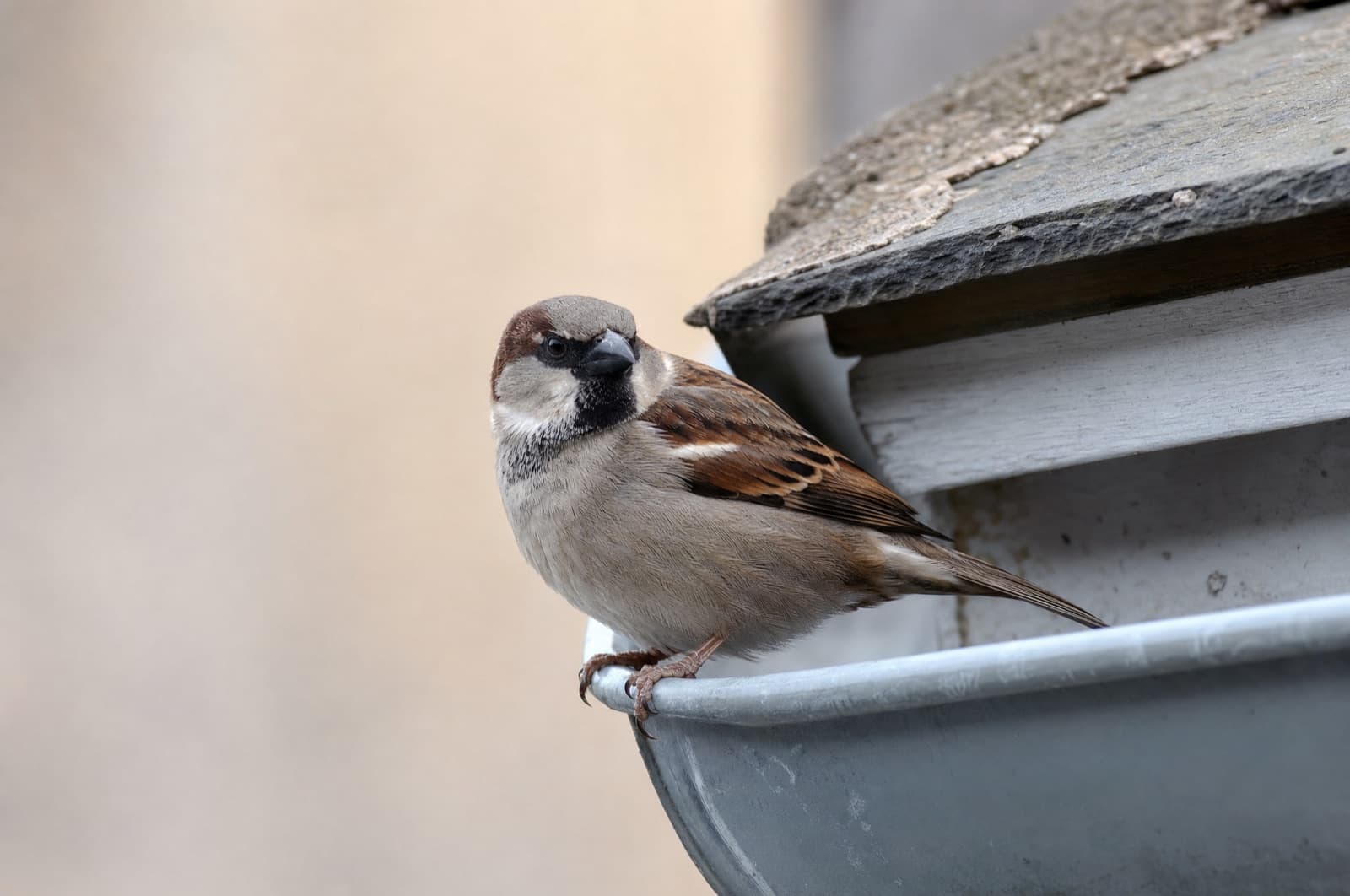
How To Get Rid Of Birds During The Winter?

Don't wait - every day increases health risks and property damage. These aggressive rodents multiply rapidly and spread dangerous diseases.

Professional elimination is the ONLY safe and effective solution. DIY methods fail 90% of the time and can make the problem worse.

24 Hours

Average response time

100%

Satisfaction guarantee

Call now for same-day, eco-friendly pest control

With over 20 years of experience, Anchor Pest offers personalized, chemical-safe yearly subscriptions, protecting homes and businesses across Manchester and surrounding counties with ongoing peace of mind.

(603) 785-0118

Contact Us

How Do Birds Survive During The Winter?


How Birds Survive Winter — The Short Answer


Birds make winter livable by saving heat, saving energy, and finding steady food. They insulate with feathers, store fat as fuel, use smart blood flow to keep heat, pick sheltered roosts, lower their metabolism when needed, and migrate if local food and warmth can’t meet their needs.


Key Survival Strategies


  • Insulation: A fluffy down layer traps air; birds puff up to thicken this “coat.”
  • Waterproofing: Preen oil keeps feathers dry so wind and wet don’t steal heat.
  • Fuel loading: In fall and daily before dusk, many birds add fat, a high‑energy “battery.”
  • Smart circulation: Countercurrent heat exchange in legs warms blood returning to the body; cooler feet waste less heat.
  • Behavioral heat saving: Face the sun, shelter from wind, tuck bill into shoulder, stand on one leg, huddle.
  • Night survival: Controlled shivering makes heat; some small species enter torpor (a short, safe mini‑hibernation) to cut energy use.
  • Roost choices: Tree cavities, dense evergreens, snow burrows (e.g., ptarmigan), and communal roosts block wind and share warmth.
  • Food shifts: Insects in summer; seeds, buds, fruits, nuts, or carrion in winter, targeting high‑fat foods.
  • Caching: Jays, chickadees, nuthatches hide thousands of seeds and later relocate them using strong spatial memory.
  • Waterbirds: Extra down plus oil repel icy water; they exploit open leads and can stand on ice thanks to heat‑saving legs.
  • Migration: When the energy math fails, species move to where food and daylight are sufficient.

Protect Your Family Today

Professional pest control eliminates troubles immediately. Our safe, effective treatments protect your loved ones from dangerous diseases.

Signs Of Birds During The Winter


Quick answer: common winter signs of birds


  • Footprints in snow: small three-forward, one-back “Y” shapes; wing prints from takeoff/landing.
  • Calls: thin “tsit” or “seep” from small songbirds; crows “caw”; owls hoot at night.
  • Feeding traces: stripped pinecone scales, pecked berries, cracked nutshells, woodpecker holes in bark.
  • Roost clues: droppings (“whitewash”) and feathers under trees, eaves, evergreen hedges.
  • Flocks: mixed groups (chickadees, nuthatches, titmice) moving tree to tree; starling murmurations near dusk.
  • Pellets: gray, oval owl pellets with fur/bones beneath perches.


Visible clues on the ground and plants


  • Tracks to shrubs or feeders show travel routes; tail drags or wing smudges mark takeoff points.
  • Cones chewed into “corncobs” = finches or crossbills; neat seed piles under feeders = sparrows/finches.
  • Rows of shallow bark holes = sapsucker; larger chisel holes with wood chips = woodpecker.
  • Berry skins and purple droppings beneath hollies and ivy show recent feeding.


Sounds and behavior in cold weather


  • Quiet contact notes help flocks stay together; drumming from woodpeckers is shorter but audible.
  • Owls call most in late evening to pre-dawn; listen on calm, cold nights.
  • Birds sun themselves on south-facing walls; quick feeder visits at dawn and before dusk conserve heat.


Where and when to check


  • Evergreens, dense hedges, porches, and barn rafters for roosts and feathers.
  • Stream edges and unfrozen ponds for ducks, herons, and kingfishers.
  • Dawn and last light for peak activity; after fresh snowfall for crisp tracks.
  • Offer food (seeds, suet) and unfrozen water to attract and confirm presence.

How To Get Rid Of Birds During The Winter?

To get rid of birds in winter, remove what attracts them (food, water, warm shelter), block their perches and entry points with physical barriers (netting, spikes, chimney/vent covers), use moving visual/sound deterrents, and only seal holes after confirming no birds are inside. Never harm birds; many are protected—use exclusion, not trapping or poison.


Quick actions that work now


  • Remove attractants: Feed pets indoors; secure trash; harvest fallen fruit; relocate bird feeders at least 30 feet from buildings.
  • Stop roosting on ledges: Install stainless or polycarbonate spikes so tips sit past the ledge edge; spacing 1–2 inches so no gaps.
  • Block frequent perches: Use 2–3 inch wide sloped covers (bird slides) so birds can’t grip.
  • Use visual deterrents that move: Reflective tape, spinning pinwheels, or predator kites placed at perch height; move them weekly. Static plastic owls alone won’t work.
  • Sound deterrents (daylight only): Species-specific distress-call devices; avoid ultrasonic (ineffective) and nighttime use.
  • If a bird is indoors: Darken the room, open one bright exit, and gently guide with a broom from behind.


Best long-term winter deterrents


  • Netting: UV/cold-rated, 3/4–1 inch mesh, tightly fastened so it’s drum-tight; exclude eaves, carports, balconies.
  • Seal entry points: At dawn/dusk verify no birds inside; then caulk gaps over 1/2 inch, add hardware cloth (1/4–1/2 inch) behind vents, and fit a chimney cap.
  • Wires/lines over rails: Run 20–30 lb monofilament or thin stainless wire 1–2 inches above edges to remove landing zones.
  • Repellents: Methyl anthranilate (grape-scent) can help above 40°F; follow label. Avoid sticky gels in freezing temps.
  • Clean safely: Wear gloves and mask; wet droppings before removal to reduce dust.
  • Know the law: Don’t harm or remove active nests; call licensed wildlife control if unsure.

Spotted Any of These Signs?

Don't risk your family's health. Our certified technicians can be at your property within 24 hours.

Professional Solution That Actually Works

Our certified technicians eliminate pests infestations completely and permanently.
Here's what you get:

🔍

Immediate Assessment

Trained experts identify entry points and nesting areas

🛡️

Safe Treatment

Pet and family-friendly methods used

🎯

Complete Elimination

Targets entire colony, not just visible insects or rodents

📋

Prevention Plan

Long-term exclusion strategies

🧽

Health Protection

Proper cleanup and sanitization

Guarantee

Service warranty and follow-up visits

Our 3-Step Elimination Process

🔍

1. Immediate Inspection

Complete property assessment within 24 hours

🎯

2. Targeted Elimination

Safe, effective treatment of entire colony

🛡️

3. Prevention Plan

Long-term exclusion and monitoring

Ready to Solve This Problem Forever?

Join thousands of satisfied customers who chose professional pest control.
100% satisfaction guarantee.

Quarterly Subscription Plans • Licensed & Insured • Same-Day Start • 100% Satisfaction Guarantee