
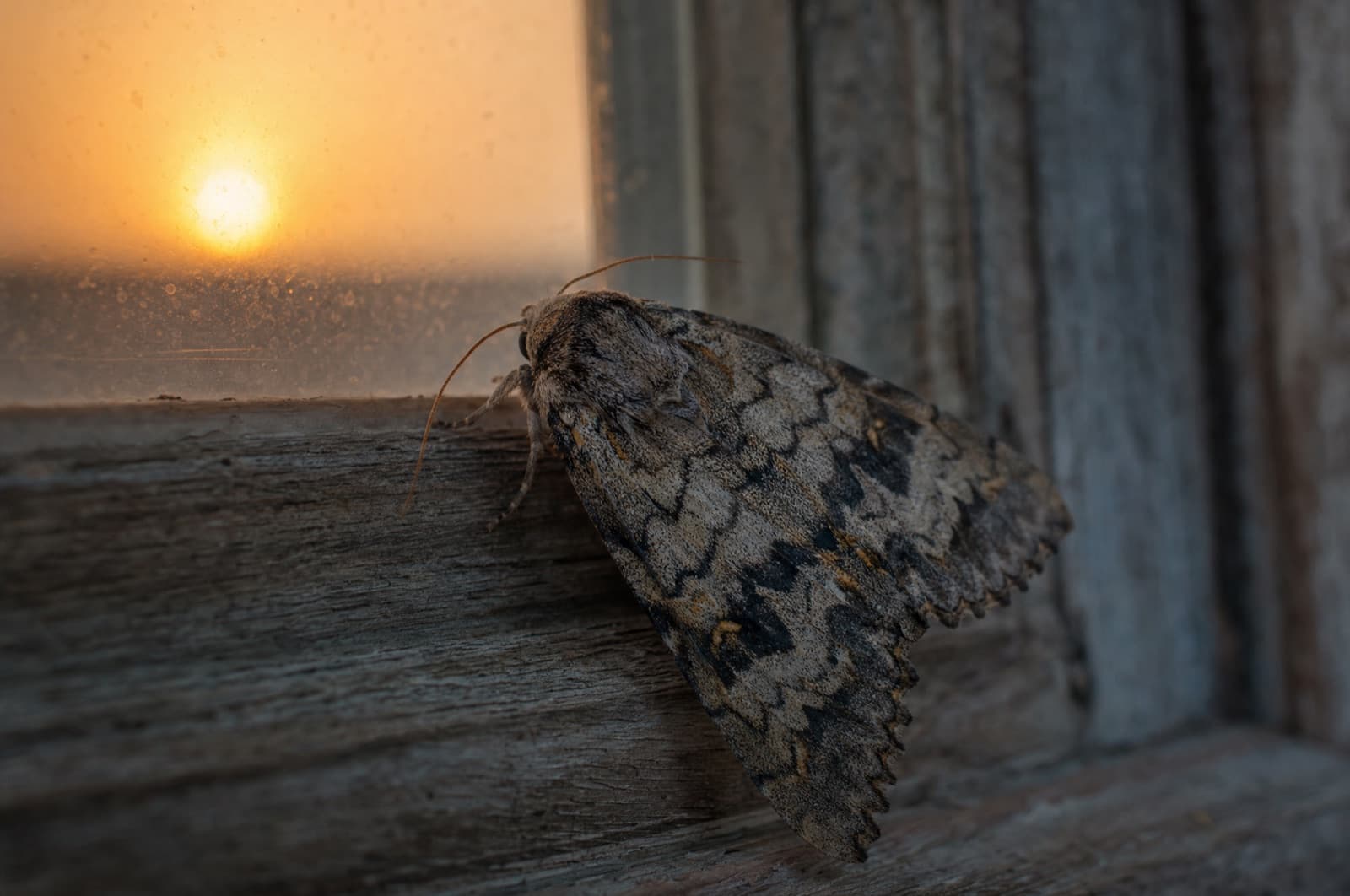
How To Get Rid Of Moths During The Winter?

Don't wait - every day increases health risks and property damage. These aggressive rodents multiply rapidly and spread dangerous diseases.

Professional elimination is the ONLY safe and effective solution. DIY methods fail 90% of the time and can make the problem worse.

24 Hours

Average response time

100%

Satisfaction guarantee

Call now for same-day, eco-friendly pest control

With over 20 years of experience, Anchor Pest offers personalized, chemical-safe quarterly subscriptions, protecting homes and businesses across Manchester and surrounding counties with ongoing peace of mind.

(603) 785-0118

Contact Us

How Do Moths Survive During The Winter?


How Moths Survive Winter


Most moths survive winter by pausing their life cycle in a protected stage (egg, caterpillar, or cocoon), slowing their body to a near standstill (diapause), and filling their fluids with natural “antifreeze” so they don’t freeze. A few species overwinter as adults in dry, hidden places; indoor pest moths simply live on in heated buildings.


The Main Strategies


  • Diapause (a sleep-like pause): Triggered by short days and cooling temperatures, moths switch off growth, lower metabolism, and wait until spring. This can happen as egg, caterpillar (larva), pupa (in a cocoon), or adult, depending on species.
  • Antifreeze chemistry: They load their body fluids with sugars and alcohols (like glycerol) called cryoprotectants. These lower the freezing point and protect cells from ice damage. Many also lose extra water to reduce ice formation and can “supercool” (stay liquid below 0°C).
  • Protective shelters: Eggs are glued under bark or on stems; caterpillars hide in rolled leaves, soil, or leaf litter; pupae sit in silken cocoons, soil cells, or tree crevices. Adults wedge into sheds, attics, caves, hollow stems, or under loose bark where temperatures stay steadier.
  • Timing and cues: Late-summer daylength is the main signal to prepare. Spring warmth and longer days restart development and emergence.
  • Different species, different tactics: Many die after laying overwintering eggs; others ride out winter as larvae or pupae. A few migrate to milder regions. Household clothes and pantry moths avoid winter entirely by living and breeding indoors.

Protect Your Family Today

Professional pest control eliminates troubles immediately. Our safe, effective treatments protect your loved ones from dangerous diseases.

Signs Of Moths During The Winter


Winter signs of moths: what to look for, fast


Most winter “moth” problems happen indoors because your heated home lets larvae (the worm-like stage) keep feeding. Look for: webbing and clumps in pantry foods, tiny crawling cream larvae, irregular holes in wool clothes, silky cases or sheets on fabric, sand-like droppings, and small cocoons along edges. Pantry moth adults fly to light; clothes moth adults avoid light and often crawl. Any moths in traps or rooms during winter are a strong sign an indoor source is active.


Detailed signs and where to check


  • Pantry (Indianmeal/pantry moths): webbing in corners of cereal, rice, pet food, bird seed; clumped grains; tiny tan moths near lights; cream larvae on shelf seams; gritty droppings (frass) and shed skins in jars or bags.
  • Clothes and textiles (clothes moths): small, irregular holes in wool, cashmere, silk, fur, feathers; threadbare patches; silky sheets on fabric; rice‑grain cocoons on hems/seams; moving “cases” stuck to fibers (case-bearing larvae); fine sand-like droppings under garments.
  • Hotspots in winter: dark, still places—closet corners, under furniture, behind baseboards, under rugs, in air vents returns, inside storage bins, behind pantry toe-kicks, under shelf lips, and inside the vacuum bag (they keep feeding there).
  • Odor cue: a faint musty or “sour” smell in a closed closet or food cabinet can signal hidden webbing and larvae.
  • Confirmation tricks: place pheromone traps labeled for pantry or clothes moths (species-specific); lightly tap shelves or garments over white paper to spot falling larvae/droppings; inspect at night with a flashlight along cracks and fabric seams; quarantine suspicious foods or clothes in clear bags to watch for movement.

How To Get Rid Of Moths During The Winter?

Quick answer: Find where moths are coming from, remove and clean that area, kill eggs and larvae with heat or freezing, set pheromone traps for adults, and store food and clothes in airtight containers. Focus on closets, attics, basements, and pantries where they stay active in winter.


What to do right now


  • Figure out the type: pantry moths hover near dry foods; clothes moths avoid light and hide in fabrics.
  • Clean deeply: vacuum cracks, seams, and corners; then wipe surfaces with soapy water.
  • Use pheromone traps to catch adult males and monitor progress.
  • Declutter and seal items so moths have fewer places to hide and lay eggs.


Pantry moths (food areas)


  • Throw out infested grains, nuts, flour, bird and pet food in sealed trash.
  • Vacuum shelf joints and holes; wash and fully dry shelves and containers.
  • Store foods in glass, metal, or thick plastic with tight lids.
  • Freeze new dry goods for a few days before placing on shelves.


Clothes moths (closets and storage)


  • Run washable items through a hot dryer for at least half an hour.
  • Freeze delicate items in sealed bags for two to three days; thaw sealed.
  • Dry clean wool and silk; brush seams and folds to dislodge eggs.
  • Use airtight bins or vacuum bags; cedar and lavender deter but do not kill.


Winter prevention tips


  • Vacuum closet floors, baseboards, and under furniture often; empty vacuum outside.
  • Seal cracks, weather-strip doors, and repair screens to limit entry.
  • Keep areas dry and cool; use a dehumidifier in damp spaces.
  • Inspect bulk foods, thrifted textiles, and stored boxes before bringing inside.
  • Avoid spraying insecticides on food or clothing; call a pro if activity continues.

Spotted Any of These Signs?

Don't risk your family's health. Our certified technicians can be at your property within 24 hours.

Professional Solution That Actually Works

Our certified technicians eliminate pests infestations completely and permanently.
Here's what you get:

🔍

Immediate Assessment

Trained experts identify entry points and nesting areas

🛡️

Safe Treatment

Pet and family-friendly methods used

🎯

Complete Elimination

Targets entire colony, not just visible insects or rodents

📋

Prevention Plan

Long-term exclusion strategies

🧽

Health Protection

Proper cleanup and sanitization

Guarantee

Service warranty and follow-up visits

Our 3-Step Elimination Process

🔍

1. Immediate Inspection

Complete property assessment within 24 hours

🎯

2. Targeted Elimination

Safe, effective treatment of entire colony

🛡️

3. Prevention Plan

Long-term exclusion and monitoring

Ready to Solve This Problem Forever?

Join thousands of satisfied customers who chose professional pest control.
100% satisfaction guarantee.

Quarterly Subscription Plans • Licensed & Insured • Same-Day Start • 100% Satisfaction Guarantee