
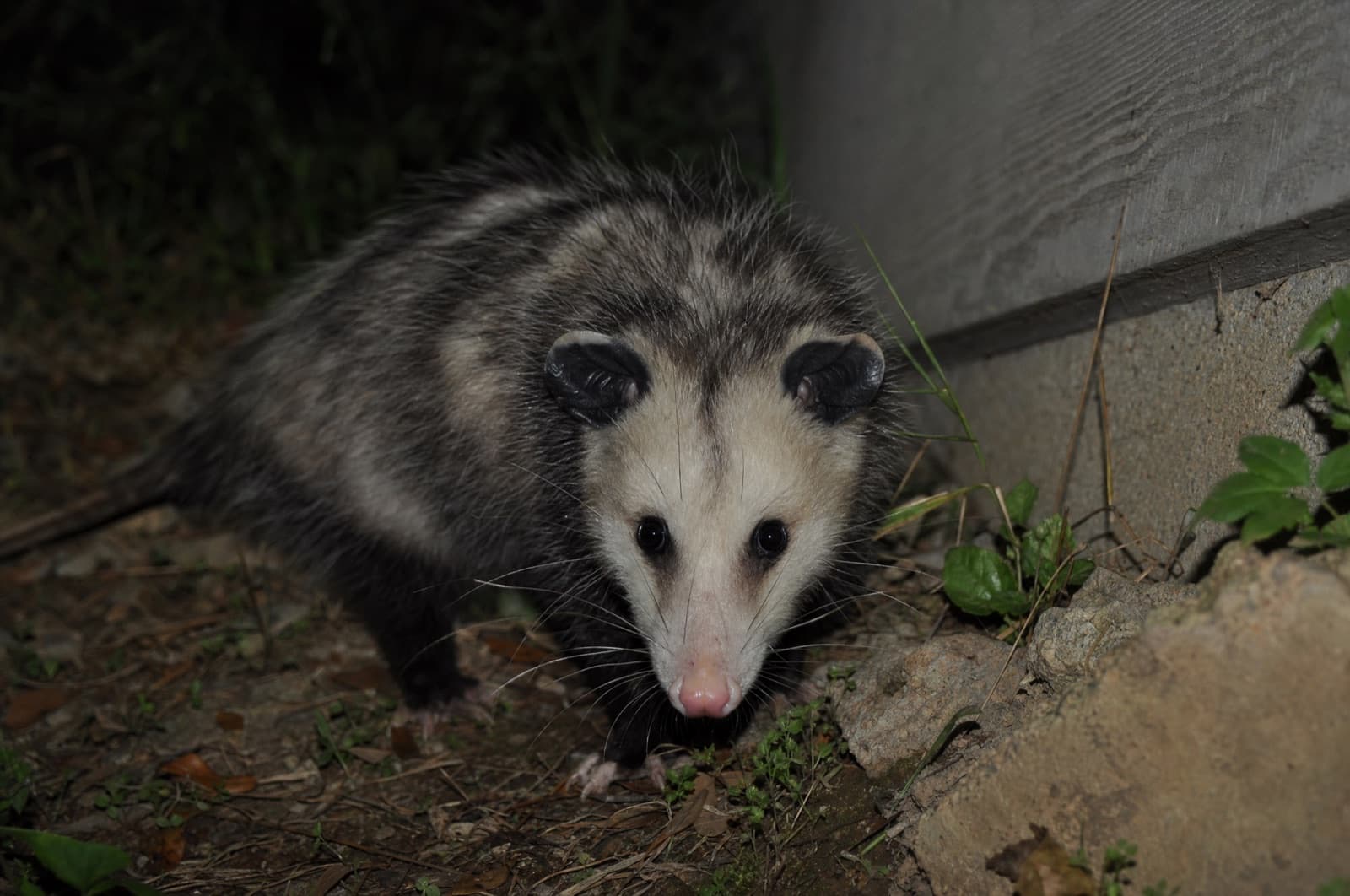
How To Get Rid Of Opossum During The Winter?

Don't wait - every day increases health risks and property damage. These aggressive rodents multiply rapidly and spread dangerous diseases.

Professional elimination is the ONLY safe and effective solution. DIY methods fail 90% of the time and can make the problem worse.

24 Hours

Average response time

100%

Satisfaction guarantee

Call now for same-day, eco-friendly pest control

With over 20 years of experience, Anchor Pest offers personalized, chemical-safe quarterly subscriptions, protecting homes and businesses across Manchester and surrounding counties with ongoing peace of mind.

(603) 785-0118

Contact Us

How Do Opossum Survive During The Winter?

Opossums don’t hibernate. They survive winter by hiding in well-insulated dens, stuffing them with dry leaves, reducing activity (short “torpor” naps to save energy), putting on a bit of fat in fall, and scavenging easy food—often near people. Despite this, many get frostbite on ears and tails, and winter is their riskiest season.


What they do when it’s cold


  • Den in hollow logs, abandoned burrows, brush piles, under sheds/porches, and sometimes attics or garages.
  • Carry leaves and grass with their tails to line nests for insulation.
  • Use several dens and rotate them to stay safe.
  • Stay inactive on frigid days; may enter short torpor (hours to a day) to conserve energy and water.
  • Forage during warmer periods, often traveling only short distances in deep snow.


Body features that help (and hurt)


  • Grow a thicker winter coat, but ears, tail, and toes are bare—frostbite is common.
  • Lower body temperature and metabolism reduce energy needs compared to many mammals.
  • Opposable thumbs and prehensile tail aid climbing and nest-building, not long hanging.


Food and water in winter


  • Opportunistic diet: carrion, insects, snails, fallen fruit, bird seed, compost, and pet food.
  • Often den close to reliable food to limit exposure.
  • Need liquid water; eating snow can chill them and wastes energy.


Why winter still kills many—and simple ways to help


  • Risks: starvation after ice storms, dehydration, vehicles, dogs/coyotes, severe frostbite.
  • Help responsibly: offer a straw-filled shelter box or brush pile, keep pet food indoors at night, provide unfrozen water, avoid poisons/antifreeze, and secure buildings to prevent conflicts.

Protect Your Family Today

Professional pest control eliminates troubles immediately. Our safe, effective treatments protect your loved ones from dangerous diseases.

Signs Of Opossum During The Winter


Quick Answer


Opossums do not hibernate; they stay active on milder winter nights. Look for hand-like tracks with a tail drag, musky fishy odor, messy but gentle trash raids, leaf-packed nests under structures, hissing/clicking sounds at dusk, and raided pet food or bird feeders.


Tracks and Trails


  • Five-finger “hand” prints; rear foot shows a thumb-like toe pointing inward.
  • Thin tail drag line between prints; waddling, staggered pattern.
  • Clear in fresh snow or frost, often leading to dark gaps under porches or sheds.


Droppings and Latrines


  • About 2–3 inches, tapered ends; smooth or slightly twisted, often with seeds/berries.
  • Usually left singly, not in piles; found near shelter edges or along fence lines.


Shelter Clues Around Structures


  • Leaf- and grass-packed nests under decks, crawlspaces, or sheds.
  • Small entry gaps at skirting/vents; greasy rub marks, a few white/gray hairs.
  • Insulation tugged down near foundation or around utility penetrations.


Sounds, Sightings, and Timing


  • Active just after dusk on thawed nights; slow, deliberate gait.
  • Hissing, clicking “chatter,” and low growls if cornered.
  • Occasional daytime appearance only during severe cold snaps seeking warmth.


Food, Damage, and Odor


  • Raided pet food, compost, fallen fruit, bird seed; scattered scraps, wet bite marks.
  • Tipped trash lids without heavy shredding (less destructive than raccoons).
  • Musky, slightly fishy smell and urine staining near den sites.


Confirm and Respond


  • Dust flour at entry points to capture tracks; use a trail camera with marshmallow or cat food bait.
  • Seal openings after nighttime exit; consider a one-way door. Avoid trapping during deep cold.

How To Get Rid Of Opossum During The Winter?

To get rid of opossums in winter: confirm one is present, then evict humanely with a one-way door when temperatures are moderate, remove food sources, and permanently seal all entry points with hardware cloth and metal. Avoid poisons and repellents; use trapping only if legal. Clean safely and consider a pro if you’re unsure.


Identify and Confirm Activity


  • Look for nighttime noises, paw tracks, droppings, and a single entry hole with smudges.
  • Stuff the hole loosely with paper or straw; if it’s pushed out overnight for 2–3 nights, it’s active.


Winter-Safe Eviction Steps


  • Choose a milder spell (ideally above 25–30°F) to avoid stressing the animal.
  • Install a one-way exclusion door on the active hole; leave 48–72 hours.
  • Use constant light and a small fan or radio near the den to encourage leaving.
  • Optionally place an outdoor straw-filled box 10–20 feet away as a new den.


Seal and Proof Openings


  • After quiet for 2–3 nights, remove the door and seal with 16–19 gauge, 1/4" hardware cloth screwed to wood/brick.
  • For decks/sheds, trench 12" down and create an L-footer extending 12" outward.
  • Cap chimneys; screen vents, soffits, and crawlspace doors.


Remove Attractants


  • Lock trash, bring pet food indoors, clean up fallen fruit, and use bird feeders sparingly.
  • Eliminate water sources near structures.


Trapping When Required


  • Check local laws first. Use a 10x12x32" live-catch cage with fishy bait; check every morning.
  • Relocate only if permitted; otherwise release on-site after sealing access.


Cleaning and Safety


  • Wear gloves and a mask; mist droppings, then pick up. Disinfect surfaces (1:10 bleach).
  • Treat pets for fleas; wash hands and clothes after.


When to Call a Pro


  • If babies are suspected, access is risky (attic/roof), or laws are unclear.

Spotted Any of These Signs?

Don't risk your family's health. Our certified technicians can be at your property within 24 hours.

Professional Solution That Actually Works

Our certified technicians eliminate pests infestations completely and permanently.
Here's what you get:

🔍

Immediate Assessment

Trained experts identify entry points and nesting areas

🛡️

Safe Treatment

Pet and family-friendly methods used

🎯

Complete Elimination

Targets entire colony, not just visible insects or rodents

📋

Prevention Plan

Long-term exclusion strategies

🧽

Health Protection

Proper cleanup and sanitization

Guarantee

Service warranty and follow-up visits

Our 3-Step Elimination Process

🔍

1. Immediate Inspection

Complete property assessment within 24 hours

🎯

2. Targeted Elimination

Safe, effective treatment of entire colony

🛡️

3. Prevention Plan

Long-term exclusion and monitoring

Ready to Solve This Problem Forever?

Join thousands of satisfied customers who chose professional pest control.
100% satisfaction guarantee.

Quarterly Subscription Plans • Licensed & Insured • Same-Day Start • 100% Satisfaction Guarantee