
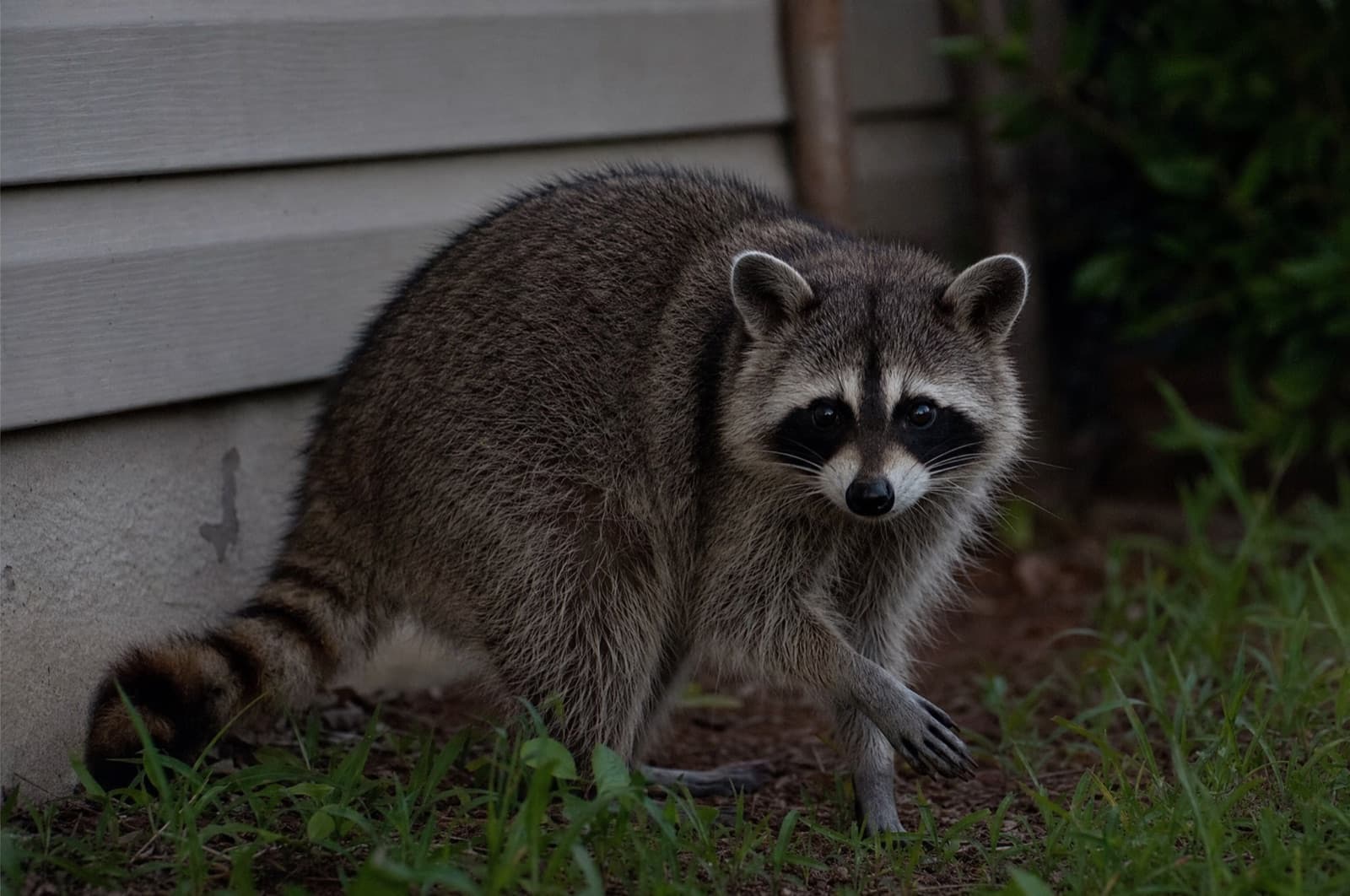
How To Get Rid Of Raccoons During The Winter?

Don't wait - every day increases health risks and property damage. These aggressive rodents multiply rapidly and spread dangerous diseases.

Professional elimination is the ONLY safe and effective solution. DIY methods fail 90% of the time and can make the problem worse.

24 Hours

Average response time

100%

Satisfaction guarantee

Call now for same-day, eco-friendly pest control

With over 20 years of experience, Anchor Pest offers personalized, chemical-safe quarterly subscriptions, protecting homes and businesses across Manchester and surrounding counties with ongoing peace of mind.

(603) 785-0118

Contact Us

How Do Raccoons Survive During The Winter?

Raccoons don’t hibernate. They survive winter by fattening up in fall, sheltering in snug dens, entering short “torpor” during severe cold to save energy, and foraging on milder nights for whatever food is available.


What They Do Instead of Hibernating


  • Enter light torpor: body temperature drops a few degrees, heart rate slows, and they sleep through cold snaps but wake quickly when it warms.
  • Rely on fall fat reserves; adults are often 20–30% heavier than in summer.
  • Move less and keep trips short to conserve energy.


How Their Bodies Cope With Cold


  • Thick underfur plus oily guard hairs block wind and shed water.
  • Compact build and curling the ringed tail over the body reduce heat loss.
  • Burning fat releases metabolic water, so they can drink less when liquid water is scarce.


Where They Shelter


  • Tree cavities, rock crevices, ground burrows, and old nests; in towns: attics, chimneys (capped or not), sheds, and storm drains.
  • Choose dry, insulated, wind-sheltered dens, often sun-facing; switch dens if disturbed or soiled.
  • In very cold regions, several may den together to share warmth.


How They Find Food and Water


  • Opportunists: nuts, leftover crops, fruits still hanging, insects under bark, carrion, and fish at thawed edges; in cities: garbage, compost, and pet food.
  • Forage after thaws, revisiting memorized, reliable spots on short routes.
  • Dexterous paws let them open containers or break thin ice.


Main Winter Risks


  • Underweight juveniles often die during prolonged cold.
  • Starvation, frostbite, disease (especially distemper), and roads when food is scarce.

Protect Your Family Today

Professional pest control eliminates troubles immediately. Our safe, effective treatments protect your loved ones from dangerous diseases.

Signs Of Raccoons During The Winter

In winter, raccoons give themselves away by hand-like tracks in snow, piles of droppings at “latrines,” heavy night-time thumps in attics, roof/vent damage, greasy rub marks, a musky smell, raided trash/bird feeders, and trails leading to warm den spots. Activity peaks on warmer nights after cold snaps.


Key outdoor signs


  • Tracks in snow: five long toes on both front and rear feet, like small human hands; 2–4 inches long. Often a straight “trail” between food and shelter.
  • Latrines: repeated piles of tube-shaped droppings (2–3 inches, blunt ends) on flat spots—rooftops, decks, logs, base of trees.
  • Trash/bird feeder raids: lids popped, containers tipped, shells scattered; paw prints on cans.
  • Entry routes: bent gutters, scuffed downspouts, clawed shingles near roof edges and chimneys.


Key indoor/structure signs


  • Noises: heavy thumps, slow walking, chittering or growls, mostly dusk–dawn and during warmer nights.
  • Grease/rub marks: dark, oily smears around holes, vents, and along attic joists from their fur.
  • Insulation disturbance: flattened “beds,” torn vapor barrier, scattered feces at one spot (latrine).
  • Odor: musky, sweet-skunky smell stronger near den sites.


How to tell it’s raccoon (not squirrels/cats)


  • Timing: raccoons are mainly nocturnal; squirrels are daytime.
  • Footprints: raccoon prints show five long toes; cats show four with no claw marks in snow.
  • Noise/weight: raccoons sound heavier and slower than squirrels’ rapid scurrying.


What to do if you see these signs


  • Do not disturb latrines; raccoon feces can carry roundworm. Avoid sweeping; call a pro.
  • Photograph tracks/damage, then seal food sources and secure lids; wait to seal entry holes until animals are professionally removed.

How To Get Rid Of Raccoons During The Winter?

The humane, effective winter method is: drive raccoons out, then exclude them. Use light and sound to make the den uncomfortable, install a one-way exit door at their entry, confirm they’re gone for 72 hours, then seal with metal and remove food sources. Never use poison; call a licensed wildlife control pro if you’re unsure.


Find Their Entry and Confirm Activity


  • Look for nighttime thumps, chittering, insulation pulled out, roof damage, chimney use, and tracks in snow.
  • Dust flour at suspected exit; check for fresh prints after dark.
  • Identify the main hole; note any secondary gaps to cover later.


Humane Winter Eviction


  • Place a bright LED work light and a talk radio in the den area; run 24–48 hours.
  • Mount a one‑way raccoon door over the main hole; cover other gaps with 16‑gauge, 1/2‑inch hardware cloth.
  • Let it run 3–5 nights (preferably above 20°F). Verify silence and no new tracks/prints for 72 hours.


Seal and Prevent Re‑Entry


  • Screw metal flashing or hardware cloth over the hole, extending 12 inches beyond edges.
  • Install a stainless‑steel chimney cap; screen attic/roof vents; trim branches back 10 feet.
  • Secure trash in animal‑proof cans, feed pets indoors, pause bird feeders, and remove fallen fruit/secure compost.


Safety and Legal Tips


  • Do not handle raccoons. Wear gloves and an N95 near droppings; mist first to prevent dust, then double‑bag.
  • Avoid poisons and illegal relocation; traps can harm animals in freezing weather.
  • If one enters living space: confine the room, open a clear exit path, keep distance, or call a licensed pro.

Spotted Any of These Signs?

Don't risk your family's health. Our certified technicians can be at your property within 24 hours.

Professional Solution That Actually Works

Our certified technicians eliminate pests infestations completely and permanently.
Here's what you get:

🔍

Immediate Assessment

Trained experts identify entry points and nesting areas

🛡️

Safe Treatment

Pet and family-friendly methods used

🎯

Complete Elimination

Targets entire colony, not just visible insects or rodents

📋

Prevention Plan

Long-term exclusion strategies

🧽

Health Protection

Proper cleanup and sanitization

Guarantee

Service warranty and follow-up visits

Our 3-Step Elimination Process

🔍

1. Immediate Inspection

Complete property assessment within 24 hours

🎯

2. Targeted Elimination

Safe, effective treatment of entire colony

🛡️

3. Prevention Plan

Long-term exclusion and monitoring

Ready to Solve This Problem Forever?

Join thousands of satisfied customers who chose professional pest control.
100% satisfaction guarantee.

Quarterly Subscription Plans • Licensed & Insured • Same-Day Start • 100% Satisfaction Guarantee