
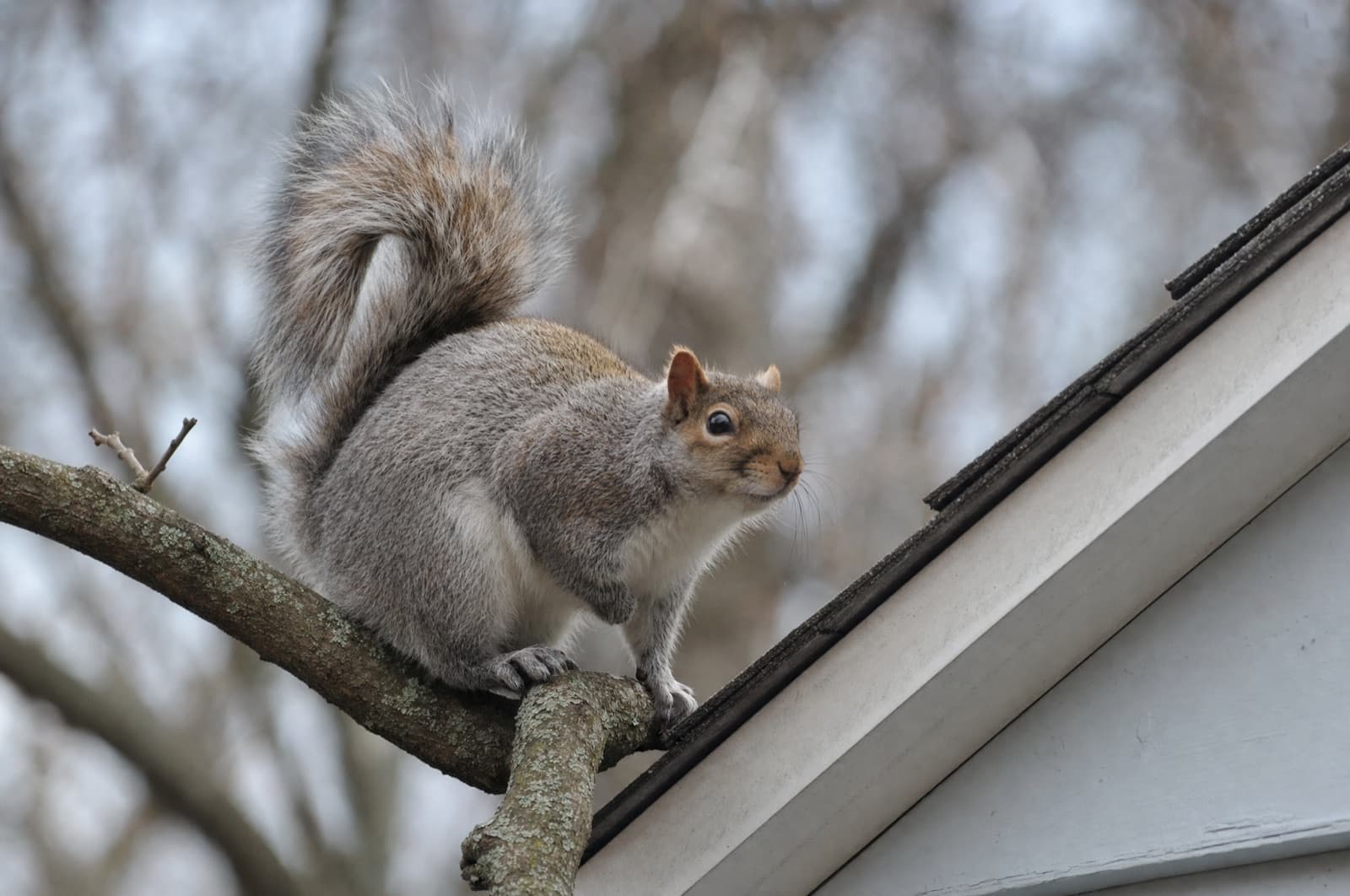
How To Get Rid Of Squirrels During The Winter?

Don't wait - every day increases health risks and property damage. These aggressive rodents multiply rapidly and spread dangerous diseases.

Professional elimination is the ONLY safe and effective solution. DIY methods fail 90% of the time and can make the problem worse.

24 Hours

Average response time

100%

Satisfaction guarantee

Call now for same-day, eco-friendly pest control

With over 20 years of experience, Anchor Pest offers personalized, chemical-safe quarterly subscriptions, protecting homes and businesses across Manchester and surrounding counties with ongoing peace of mind.

(603) 785-0118

Contact Us

How Do Squirrels Survive During The Winter?


How squirrels survive winter (in brief)


Most tree squirrels stay active but conserve energy with stored food, warm nests, thicker fur, and short rest-like slowdowns (torpor); many ground squirrels avoid the cold entirely by hibernating for months in sealed burrows.


Preparation before cold arrives


  • Food caching: They hide thousands of small stashes of nuts and seeds (“scatter-hoarding”), then relocate them by memory and smell; they may also make fake stashes to confuse thieves.
  • Bulking up: They gain about 10–25% body weight. Fat insulates and fuels long gaps between meals.
  • Shelter building: Tree squirrels build leaf nests (dreys) or use tree cavities; ground squirrels dig deep, dry burrows and add insulating plugs.
  • Winter coat: Fur thickens; tails help reduce heat loss when wrapped over the body.


Day-to-day winter survival


  • Weather timing: They stay in during storms and go out briefly on calm, sunny periods to save energy.
  • Warmth strategies: They rotate among nests, sometimes share nests to share heat, and use tails as blankets or windshields.
  • Eating and water: They eat cached nuts, plus buds, bark, and fungi; moisture comes from snow and food.
  • Torpor and hibernation: Tree squirrels may enter short torpor on the coldest days. Ground squirrels hibernate: body temperature falls near freezing, heart rate slows, and they briefly wake every couple of weeks to rewarm (using brown fat), then sleep again.


Species differences


  • Gray, fox, and red squirrels: Active all winter; rely on caches and tree dens/dreys.
  • Red squirrels: Keep cone “middens” (big seed piles) under snow.
  • Ground squirrels: True hibernators; sealed burrows; no winter foraging.
  • Flying squirrels: Do not hibernate; nocturnal, communal nesting, use torpor to save energy.

Protect Your Family Today

Professional pest control eliminates troubles immediately. Our safe, effective treatments protect your loved ones from dangerous diseases.

Signs Of Squirrels During The Winter


Key Winter Signs of Squirrels


  • Tracks in snow: paired “bound” pattern; small front feet (4 toes), larger rear feet (5 toes) landing ahead of the front prints.
  • Chewed entry points: fresh wood gnawing around roof edges, soffits, vents; holes about golf-ball size or larger.
  • Daytime scurrying sounds: fast, light footsteps and rolling noises (nuts) in attic, mostly dawn and late afternoon.
  • Nests (dreys): basketball-sized leaf/branch balls in trees; in attics, loose piles of insulation, leaves, and twigs.
  • Food caches: piles of acorn or walnut shells, cone cores, or small soil divots where nuts were buried.
  • Droppings: rice-sized, dark pellets with slightly pointed ends; often near travel routes or nesting spots.
  • Grease rub marks: dark smudges from fur/oils around frequently used holes and beams.
  • Odor/urine stains: musky smell; yellowing on insulation or ceiling below attic.
  • Bark damage: fresh tooth marks, stripped bark, and shredded buds on trees.


Inside Your Home: What to Check


  • Attic edges: gnawing on rafters, beams, and exposed wires (look for frayed insulation).
  • Insulation: tunneled paths and flattened “runways.”
  • Eaves/vents: loose screening, bent louvers, or missing vent covers.


Outdoors: Where to Look


  • Tree-to-roof highways: overhanging branches leading to roof.
  • Snow “runways”: repeated tracks between trees and structures.
  • Shell middens: consistent piles beneath favorite feeding perches or logs.


Quick Confirmation Tips


  • Flour test: sprinkle flour near suspected entry; check for bounding tracks.
  • Trail camera: aim at eaves/attic vent for daytime activity.
  • Tap test: light knock on attic access—squirrels often burst into rapid movement.

How To Get Rid Of Squirrels During The Winter?

In winter, remove squirrels by humanely evicting them with a one-way exit door, then sealing every hole with metal, removing food sources, trimming access paths, and calling a licensed pro if babies are present or you’re unsure. Avoid poisons and relocation; both are often illegal and unsafe.


Step-by-Step Winter Removal


  • Inspect at dawn/dusk for entry points: roof edges, soffits, attic vents, chimneys. Look for chew marks, droppings, and tracks in snow.
  • Listen for high-pitched chatter or scratching. If you hear soft chirps, there may be young—do not seal yet.
  • Encourage exit: keep attic bright (work light), noisy (radio), and drafty for 24–48 hours.
  • Install a wildlife one-way door over the main hole so squirrels can leave but not re-enter. Keep it in place 3–5 days.
  • Check local rules. Relocation and lethal traps are often illegal and inhumane, especially in cold weather.


Seal and Clean


  • After activity stops, permanently seal all gaps larger than a finger with 1/4-inch galvanized hardware cloth and metal flashing; screw into framing.
  • Cover attic and dryer vents with wildlife-proof vent covers; add a spark-arrestor chimney cap.
  • Do not use mothballs. For odor, remove soiled insulation, HEPA-vac droppings, and treat surfaces with enzyme cleaner while wearing gloves and a respirator.


Prevent Return


  • Remove food: secure trash, feed pets indoors, use squirrel-proof bird feeders with baffles placed 5 feet high and 10 feet from jump points.
  • Trim branches back 8–10 feet from the roof; add a 24-inch-wide metal tree collar 6–8 feet up the trunk.
  • Move woodpiles and storage 20 feet from the house; repair new chew marks promptly.
  • Call a licensed wildlife professional if you suspect young, can’t access the area, or squirrels keep returning.

Spotted Any of These Signs?

Don't risk your family's health. Our certified technicians can be at your property within 24 hours.

Professional Solution That Actually Works

Our certified technicians eliminate pests infestations completely and permanently.
Here's what you get:

🔍

Immediate Assessment

Trained experts identify entry points and nesting areas

🛡️

Safe Treatment

Pet and family-friendly methods used

🎯

Complete Elimination

Targets entire colony, not just visible insects or rodents

📋

Prevention Plan

Long-term exclusion strategies

🧽

Health Protection

Proper cleanup and sanitization

Guarantee

Service warranty and follow-up visits

Our 3-Step Elimination Process

🔍

1. Immediate Inspection

Complete property assessment within 24 hours

🎯

2. Targeted Elimination

Safe, effective treatment of entire colony

🛡️

3. Prevention Plan

Long-term exclusion and monitoring

Ready to Solve This Problem Forever?

Join thousands of satisfied customers who chose professional pest control.
100% satisfaction guarantee.

Quarterly Subscription Plans • Licensed & Insured • Same-Day Start • 100% Satisfaction Guarantee