
How To Get Rid Of Wasps During The Winter?

Don't wait - every day increases health risks and property damage. These aggressive rodents multiply rapidly and spread dangerous diseases.

Professional elimination is the ONLY safe and effective solution. DIY methods fail 90% of the time and can make the problem worse.

24 Hours

Average response time

100%

Satisfaction guarantee

Call now for same-day, eco-friendly pest control

With over 20 years of experience, Anchor Pest offers personalized, chemical-safe quarterly subscriptions, protecting homes and businesses across Manchester and surrounding counties with ongoing peace of mind.

(603) 785-0118

Contact Us

How Do Wasps Survive During The Winter?

In almost all wasp species, the colony does not survive winter. Only mated queens (or a protected life stage in solitary wasps) overwinter in sheltered places, slow their bodies into a hibernation-like state, burn stored fat, use natural antifreeze to avoid freezing, and then start new nests in spring.


Social wasps in winter (yellowjackets, hornets, paper wasps)


Most workers and males die after the first hard frosts. Newly mated queens leave the nest in late fall and enter diapause (a suspended, low-energy state). They:

  • Hide alone under bark, in logs, rock crevices, soffits, sheds, or attics.
  • Live off autumn fat reserves for several months.
  • Produce antifreeze molecules (like glycerol) that lower the freezing point of their body fluids.
  • Abandon the old nest; it is not reused the next year.
In warm regions or heated structures, rare “perennial” colonies can persist, but this is the exception.


Solitary wasps in winter


Unlike social wasps, many solitary species overwinter not as queens but as immature stages:

  • Larvae/pupae sealed in mud, plant stems, wood, or underground cells, often inside a silk or mud cocoon.
  • Some species overwinter as adults in their burrows or hollow stems, emerging when temperatures rise.


Where and when you see them


Sheltered spots are dry, dark, and insulated: under loose bark, leaf litter, eaves, wall voids, attic rafters, stacked firewood, rock piles, and rodent tunnels. Warm winter spells or indoor heating can wake dormant queens, causing sluggish wasps to appear inside. In spring, surviving queens (or emerged adults in solitary species) fly out, build new nests, lay eggs, and restart the annual cycle.

Protect Your Family Today

Professional pest control eliminates troubles immediately. Our safe, effective treatments protect your loved ones from dangerous diseases.

Signs Of Wasps During The Winter


What you’ll notice if wasps are around in winter


Active nests are almost never present. Instead, you’ll see single, sluggish wasps (usually queens) wandering indoors on warm, sunny days or when heating wakes them from hiding. Old papery nests outside will look intact but have no traffic.


Typical signs and where to check


  • Slow wasps near windows, lamps, skylights, or around recessed lights and bathroom vents.
  • Occasional buzzing or light scratching in wall/ceiling voids during midday warmups.
  • Dead wasps on attic windowsills, in light fixtures, or near garage doors.
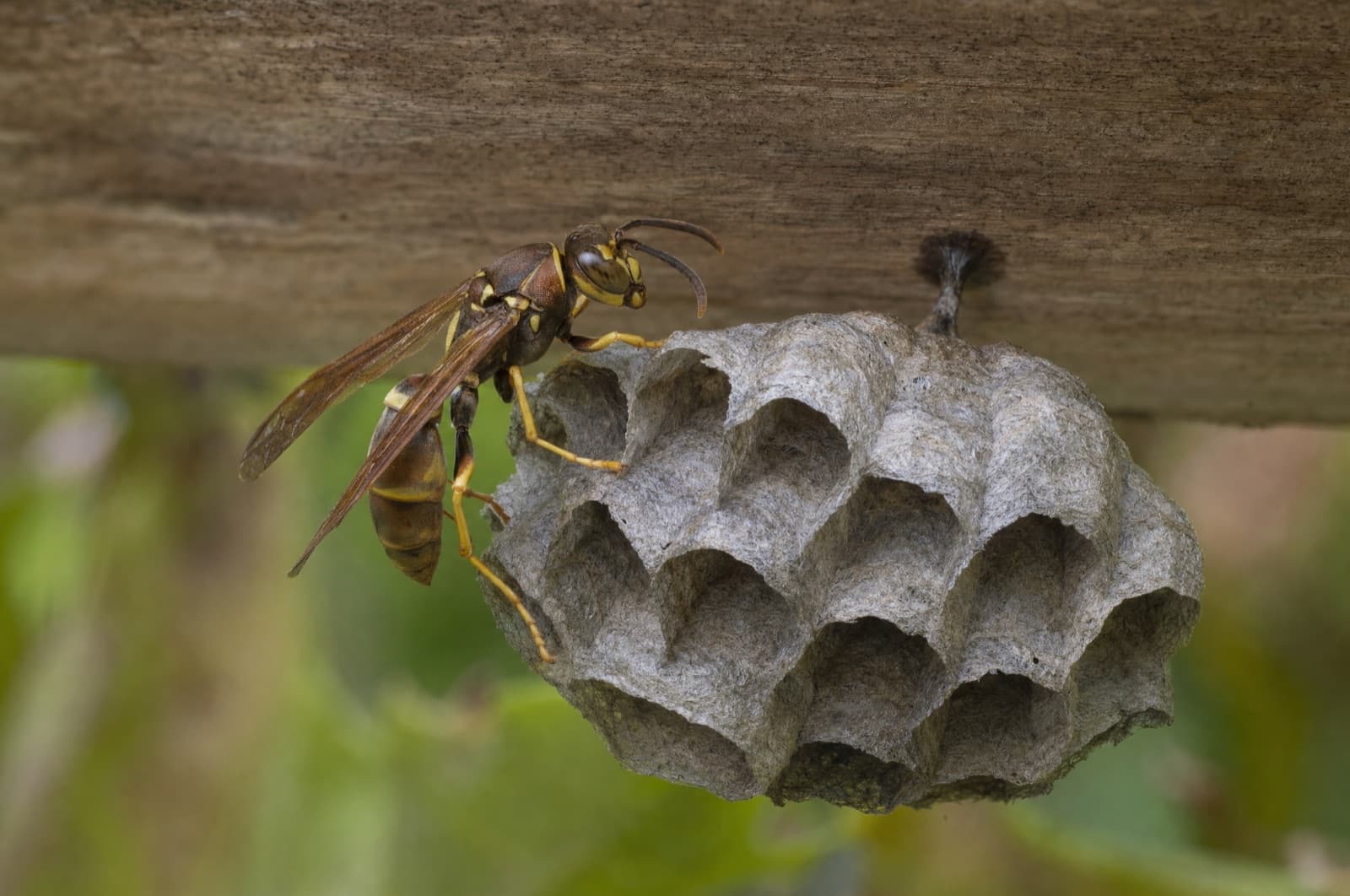
  • Old, gray papery nests under eaves or in trees with zero coming/going.
  • Entry points: gaps at roofline, soffits, attic vents, around cables, chimney caps, dryer/bath vents.


Why this happens


Most workers die in fall. Fertilized queens overwinter in sheltered cracks, attics, and garages. Warmth or sunlight confuses them, so they drift indoors. Old nests aren’t reused; rare exceptions occur in heated spaces in mild climates.


What to do right now


  • Capture or vacuum stragglers; they’re slow and sting only if handled.
  • Seal gaps 1/8 inch or larger with caulk or foam; add 1/8 inch mesh to vents.
  • Remove reachable old nests on a cold day; bag and discard.
  • Use sticky traps near sunny windows to intercept newcomers.
  • Store firewood outside; it can harbor overwintering queens.


When to call a professional


  • Regular winter wasps from the same room or fixture.
  • Persistent buzzing in walls/ceiling.
  • Nest or activity inside living spaces or hard-to-access attics.
  • Anyone in the home has sting allergies.

How To Get Rid Of Wasps During The Winter?


Quick Answer


In winter, most wasps die and only single queens hide in sheltered spots. Remove old nests (they won’t be reused), capture or vacuum any queens you find indoors, seal every entry gap, and tidy food sources. Avoid spraying into walls; call a pro if you see wasps emerging from vents or you’re allergic.


Find and remove overwintering queens indoors


  • Check attics, basements, window sills, curtains, light fixtures, and garages on sunny afternoons.
  • Capture with a jar and a card, then drop into soapy water; or use a vacuum with crevice tool (empty bag outdoors).
  • Wear long sleeves, gloves, and eye protection.


Deal with old nests


  • After hard frosts, nests are abandoned. Knock them down in daylight when no activity is seen.
  • Bag and trash them; this removes pheromone cues and hiding spots.


Seal entry points


  • Caulk cracks around windows, doors, siding, and utility lines (seal gaps larger than a credit-card thickness).
  • Repair screens; install 1/8-inch metal mesh on attic/soffit vents; use steel wool + sealant for holes.
  • Weatherstrip doors and garage gaps.


When to use insecticides or call a pro


  • Winter sprays are rarely needed. Do not spray into wall voids—dead insects can attract pests and push wasps indoors.
  • If wasps emerge from walls/vents or a large cluster is present, hire a licensed pest professional.


Prevent next season


  • Early spring (50–60°F): hang queen traps and remove tiny “starter” nests under eaves.
  • Keep lids on trash, clean outdoor eating areas, and remove fallen fruit/wood piles.

Spotted Any of These Signs?

Don't risk your family's health. Our certified technicians can be at your property within 24 hours.

Professional Solution That Actually Works

Our certified technicians eliminate pests infestations completely and permanently.
Here's what you get:

🔍

Immediate Assessment

Trained experts identify entry points and nesting areas

🛡️

Safe Treatment

Pet and family-friendly methods used

🎯

Complete Elimination

Targets entire colony, not just visible insects or rodents

📋

Prevention Plan

Long-term exclusion strategies

🧽

Health Protection

Proper cleanup and sanitization

Guarantee

Service warranty and follow-up visits

Our 3-Step Elimination Process

🔍

1. Immediate Inspection

Complete property assessment within 24 hours

🎯

2. Targeted Elimination

Safe, effective treatment of entire colony

🛡️

3. Prevention Plan

Long-term exclusion and monitoring

Ready to Solve This Problem Forever?

Join thousands of satisfied customers who chose professional pest control.
100% satisfaction guarantee.

Quarterly Subscription Plans • Licensed & Insured • Same-Day Start • 100% Satisfaction Guarantee