
Pest Control in Amherst: What's Actually Different Here?
Is Amherst pest control actually different?
The verdict on Amherst
something real, and documented
a real but minor factor
pests don't read town lines
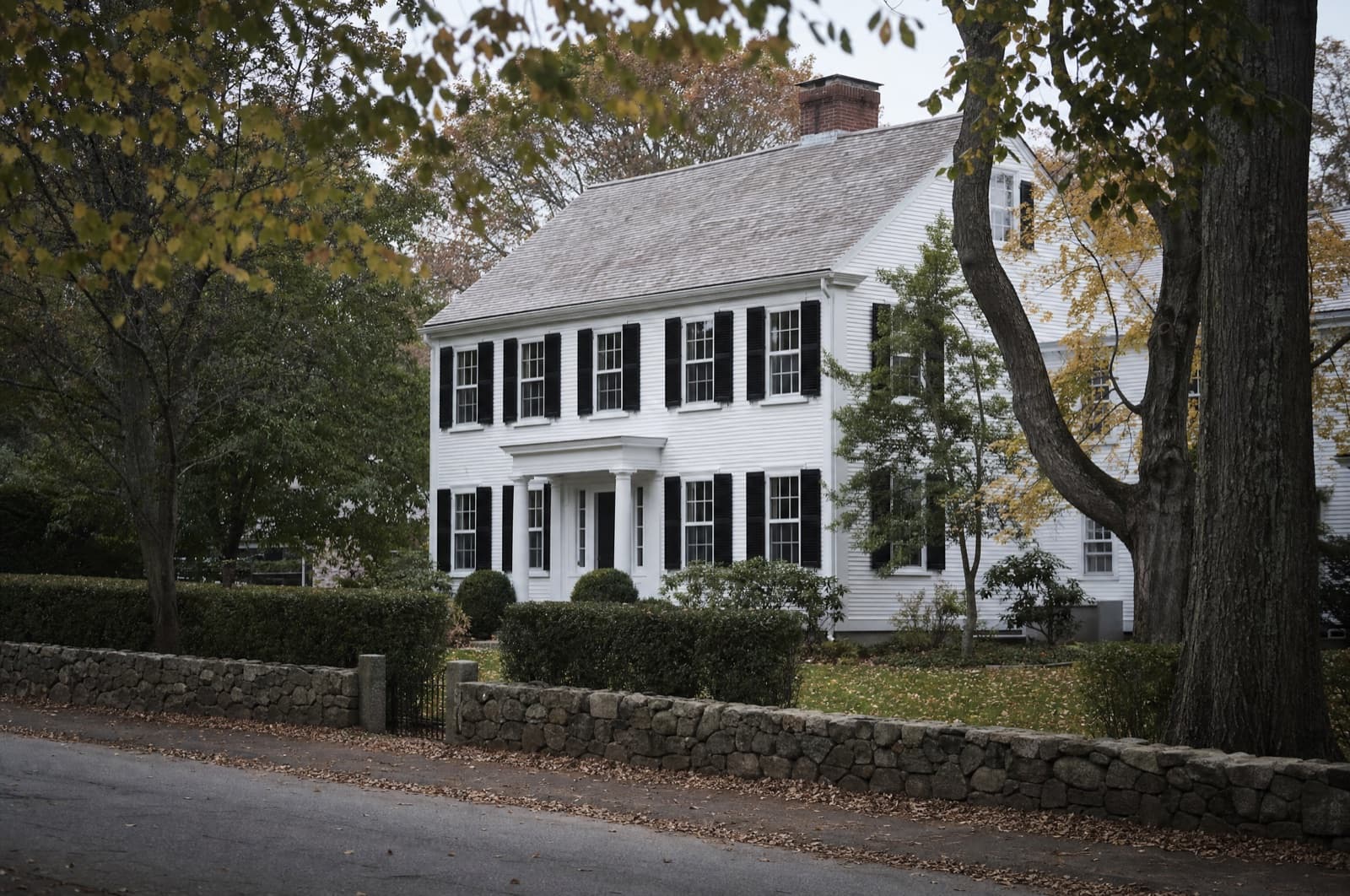
Amherst's real difference is its conserved woodland — more homes here sit at a forest edge than in a typical subdivision town.
The real difference
The specific, sourced local factor that changes the answer here — and what a homeowner should actually do about it.
That Amherst has its own unique wooded-town pests — some special forest species that only a local specialist would recognize.
The species at a wooded edge in Amherst are the same blacklegged ticks and fall overwintering invaders found at any wooded edge in the region. What genuinely differs is how much of Amherst's housing sits at that edge in the first place: the town's master plan describes a predominantly residential community that has prioritized large-scale land conservation, meaning more Amherst homes border contiguous forest than in a typical subdivision town nearby.
Amherst has deliberately conserved large, contiguous blocks of forest as part of its master plan and conservation program, so a larger-than-typical share of residential lots border woods directly rather than another yard or a subdivision street.
More wooded edge means more blacklegged-tick and wildlife contact at the property level, plus a larger fall push of overwintering invaders (stink bugs, cluster flies, lady beetles) onto sun-warmed walls. For an Amherst homeowner, that means tick precautions — daily checks after being outdoors, permethrin-treated clothing, and keeping a clear buffer between lawn and woods — matter more consistently here than in a town with fewer wooded-edge properties. It is a nudge in exposure, not a different set of species.
Source: Amherst Master Plan / Envision Amherst 2035 (amherstnh.gov); UNH Extension — Biology and Management of Ticks in New Hampshire (blacklegged tick abundance tied to wooded/brushy habitat)
Most of what shapes a home's pest pressure isn't the town line — it's the house and its surroundings:
The honest town profile
Census housing age, density and geography — the fields that genuinely predict pest pressure. Only documented facts appear.
Hillsborough
About 4,584 housing units, overwhelmingly owner-occupied single-family detached homes (roughly 90%+ owner-occupied per US Census/ACS) — a large-lot suburban profile, which is precisely the housing type most likely to end at a wooded edge rather than at another yard.
A predominantly residential town that has prioritized land conservation, with large contiguous forest blocks bordering a meaningful share of residential lots (Amherst Master Plan / Envision Amherst 2035).
Extensive conserved woodland, paired with a housing stock that is almost entirely detached single-family homes on generous lots, predicts higher-than-typical tick and overwintering-invader exposure at the property level for homes bordering forest. Its limit: this applies specifically to lots that actually abut the conserved forest — an Amherst home in the town center with no wooded border carries the ordinary regional risk, nothing more.
Amherst Master Plan / Envision Amherst 2035 — amherstnh.gov · US Census Bureau / ACS 5-year — Amherst town, Hillsborough County, NH (housing units, owner-occupancy, single-family detached share)
The pests actually here
The real Southern-NH species picture — we name them and link the full profiles rather than re-teach identification, and we correct the ones that don't live here at all.
This is the southern New Hampshire regional picture, weighted toward Amherst's wooded-edge properties — not a separate Amherst species list.
- Blacklegged tickMore wooded-edge homes than a typical subdivision town means more property-level exposure to the region's Lyme-disease vector.Related guide
- Fall invaders — cluster flies, stink bugs, lady beetlesWooded-edge and pasture-adjacent lots see a larger fall push onto sun-warmed walls before the first frost.Related guide
- House mouse and Norway ratRegional entry through dime-sized envelope gaps, present regardless of woods proximity.Species profile
- Carpenter antsThe region's leading wood-destroying pest, more prevalent where homes border mature forest.Related guide
Our service area — including when it's not us
Amherst is about 20 minutes southwest of our Manchester office — inside our core Hillsborough County service area.
Standard structural pest control, plus tick-focused exterior treatment and landscape guidance for the many Amherst properties bordering conserved woodland.
Service Area Map
Southern New Hampshire
The answer
Why the woods, and not the bugs, is Amherst's real story
Amherst's master plan is explicit about the town's priorities: it describes a predominantly residential community that has deliberately invested in conserving large, contiguous blocks of forest rather than allowing continuous subdivision. The practical result is that a larger share of Amherst homes border mature woods directly than in a typical nearby suburb, where most lots border another yard or a street.
That matters because tick abundance and fall overwintering-invader pressure both track wooded and brushy edge habitat, not town lines — UNH Cooperative Extension's tick research ties blacklegged-tick exposure specifically to that kind of habitat. So Amherst's genuine difference isn't a special local species; it's that more of the town's housing sits in the exposure zone that any wooded-edge home in the region would share. The honest instruction is proportionate: tick precautions and a clear lawn-to-woods buffer matter more consistently here, for more households, than in a town with less conserved forest. It's a real, sourced nudge — not a transformation of the pest picture.
Amherst's woods are real — and so is the tick precaution that goes with them.
More Amherst homes border conserved forest than a typical subdivision town. We treat the exposure that comes with that, honestly sourced.
Frequently asked
Sources & further reading(3)
- [1]Amherst Master Plan / Envision Amherst 2035
Amherst's residential character and prioritized land-conservation program creating extensive contiguous forest bordering residential lots
govverified 2026-07-16 - [2]UNH Extension — Biology and Management of Ticks in New Hampshire
Blacklegged tick abundance tied to wooded/brushy edge habitat and deer populations
extensionverified 2026-07-16 - [3]US Census Bureau / ACS — Amherst town, Hillsborough County, NH
Amherst housing units (~4,584), high owner-occupancy, and single-family detached dominance
censusverified 2026-07-22
Written & reviewed by
VerifiedDaniel Brady
NH-Licensed Pesticide Applicator · License #782664 (NHDAMF, RSA 430)
Daniel Brady is the New Hampshire–licensed applicator behind Anchor Pest Services, a family-owned pest control company serving the Manchester area since 2017.
Last updated July 2026
Compare a neighbor
Same honest instrument, town by town — most read “not different,” and that's the point.
Honest pest help for New Hampshire homes
Amherst's Difference Is Its Land, Not Its Bugs
The species are regional. The woods-edge exposure is genuinely more common here, and it's sourced to Amherst's own master plan and UNH Extension. Family-owned since 2017, NH license #782664, based at 700 Harvey Rd in Manchester.
- NH-licensed applicators (#782664) — free inspection, same-day service
- We name the real, sourced driver instead of inventing local color
- Serving Hillsborough County and southern New Hampshire since 2017
NH License #782664 · No obligation · We answer in person