
Pest Control in Concord: What's Actually Different Here?
Is Concord pest control actually different?
The verdict on Concord
something real, and documented
a real but minor factor
pests don't read town lines
Concord's mixed housing is the regional norm. Being the state capital doesn't change what's in your walls — your house does.
The honest town profile
Census housing age, density and geography — the fields that genuinely predict pest pressure. Only documented facts appear.
Merrimack
New Hampshire's capital and fourth-largest city (population 43,976, 2020 US Census), with a mix of a historic downtown core and later 20th-century and current development; the city's planning office maintains an active master-plan and development-review process covering ongoing apartment construction near the river.
The Merrimack River runs through the city, with some riverfront and low-lying parcels.
Mixed housing age predicts regional-average pest pressure with no single dominant town-wide driver — which is exactly what a not_different verdict means. Any individual dense apartment building carries the same building-wide roach and bed bug dynamic as a dense building anywhere else; that is a property-level factor, not a Concord one.
City of Concord — Concord Master Plans, concordnh.gov · US Census Bureau QuickFacts — Concord city, NH
The pests actually here
The real Southern-NH species picture — we name them and link the full profiles rather than re-teach identification, and we correct the ones that don't live here at all.
This is the southern and central New Hampshire picture, not a Concord picture. Nothing documented about Concord changes which pests show up or when.
- Blacklegged tickPresent across the region; most abundant in southeastern NH but found statewide, per UNH Extension.Related guide
- MosquitoesRiver and wetland areas support them regionally; NH DHHS tracks EEE and West Nile activity June through October statewide.Related guide
- German cockroach and bed bugIn any dense multifamily building — anywhere in the region, not specifically Concord — these become building-wide problems.Related guide
- House mouse and Norway ratOlder sections of the housing stock have the same leaky-envelope entry points found regionwide.Related guide
- Fall invaders — cluster flies, stink bugs, lady beetlesRegional autumn arrivals on sun-warmed walls, tied to the season, not the town.Related guide
Our service area — including when it's not us
About 20 minutes north of Manchester via I-93 — a core service city for Anchor.
Exterior perimeter treatment, rodent exclusion, wood-destroying insect inspection, and the same structural pest services we run throughout southern and central New Hampshire.
Service Area Map
Southern New Hampshire
The answer
Why 'mixed housing' isn't a local difference
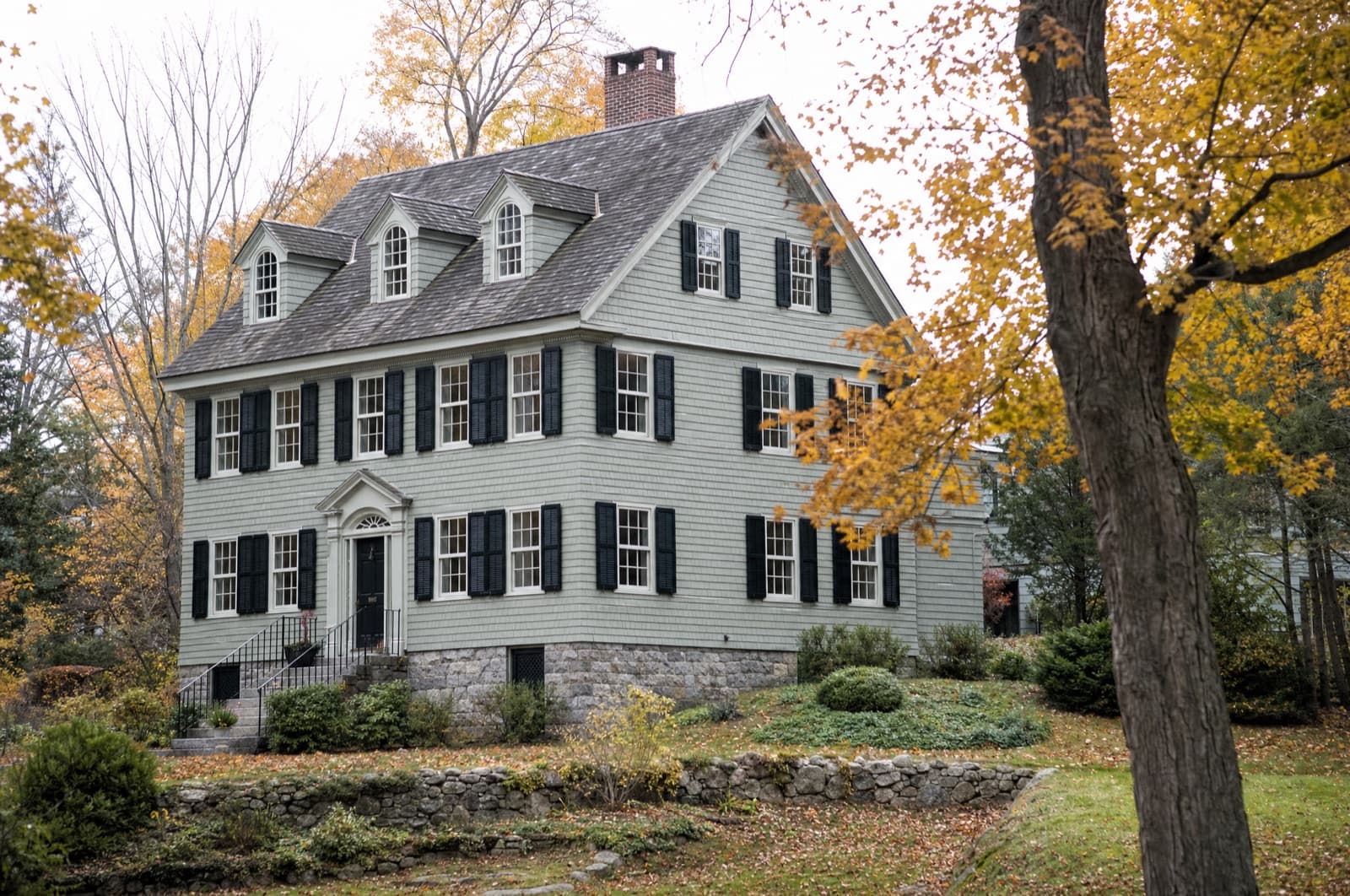
Concord's page could easily lean on the fact that it's the state capital — that's the industry's instinct, and it's the one we're correcting. The honest look at Concord's housing turns up a genuine mix: a historic core near the State House, mid-century neighborhoods, and a current pipeline of new apartment construction along the river. But 'mixed old and new, with some river frontage' describes most of the towns in this hub, including several with zero documented difference from each other. Mixed isn't a Concord trait. It's the regional average.
What actually drives your risk in Concord
Where Concord's newer apartment buildings are dense, the same building-wide dynamic that makes Manchester genuinely different applies inside those specific buildings — German cockroaches and bed bugs carrying between adjoining units the way any shared-wall complex allows. But that's a property-type factor, present in any dense building anywhere in the region, not something that makes Concord itself different from Bedford or Goffstown. For everyone else, the drivers are the ordinary regional ones: your house's age, whether it backs onto woods or water, and the season. Concord doesn't move any of those numbers.
Key takeaways
- Concord's housing mix is the regional norm, not a local trait — no sourced factor separates its pest pressure from the rest of the hub.
- The Merrimack River runs through many NH towns; it isn't a Concord distinction.
- In any dense apartment building, roaches and bed bugs can become a building-wide problem — a property factor, not a capital-city one.
Concord's pests are the region's pests.
Being the state capital doesn't change what's in your walls. We treat Concord homes the same evidence-based way we treat every town in southern and central New Hampshire.
Frequently asked
Sources & further reading(4)
- [1]City of Concord — Concord Master Plans
Concord's mixed historic and current development pattern, ongoing housing/development review
govverified 2026-07-16 - [2]US Census Bureau QuickFacts — Concord city, NH
General population and housing context for Concord city
censusverified 2026-07-16 - [3]UNH Cooperative Extension — Biology and Management of Ticks in New Hampshire
Regional blacklegged tick distribution across NH counties
extensionverified 2026-07-16 - [4]NH Dept. of Health and Human Services — Mosquito-Borne Illnesses
Regional mosquito-borne illness season and surveillance in NH
stateverified 2026-07-16
Written & reviewed by
VerifiedDaniel Brady
NH-Licensed Pesticide Applicator · License #782664 (NHDAMF, RSA 430)
Daniel Brady is the New Hampshire–licensed applicator behind Anchor Pest Services, a family-owned pest control company serving the Manchester area since 2017.
Last updated July 2026
Compare a neighbor
Same honest instrument, town by town — most read “not different,” and that's the point.
Honest pest help for New Hampshire homes
Concord Isn't Special — And That's Fine.
Concord's mixed housing stock is the regional norm, not a local pest story. What actually predicts your risk is your house's age, its walls, and its adjacency to woods or water — the same factors that matter in any NH town we serve. Family-owned since 2017, NH license #782664, based at 700 Harvey Rd in Manchester.
- We'll tell you when nothing about your town changes the answer
- NH-licensed applicators (#782664) — free inspection, same-day service
- Serving Concord and all of southern and central New Hampshire since 2017
NH License #782664 · No obligation · We answer in person