
Skip to content
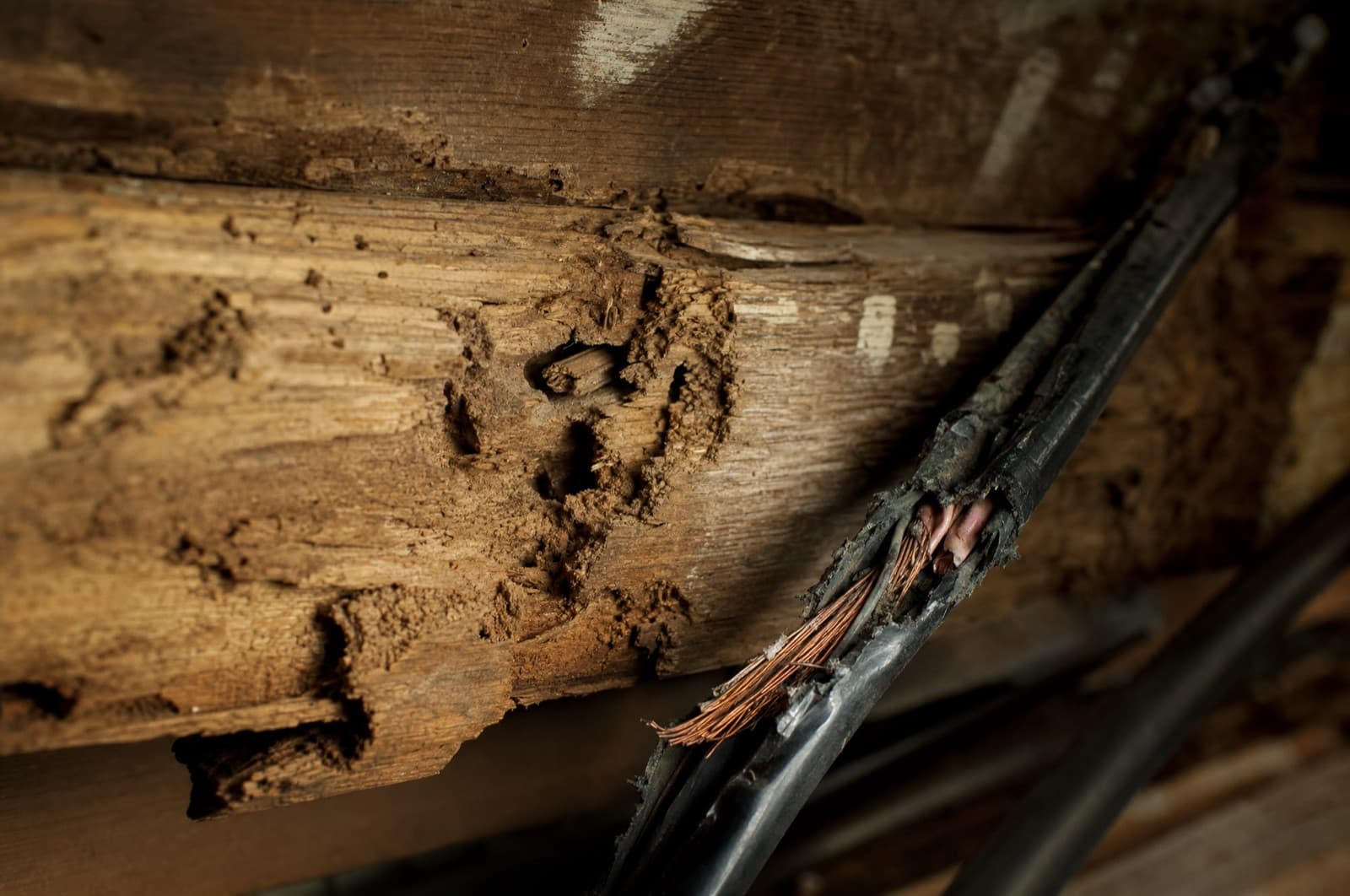
Pest damage evidence — a gnawed structural beam and a chewed electrical wire
Daniel Brady · NH-Licensed Pesticide Applicator · License #782664
Reviewed by Daniel Brady

Can crickets chew on fabrics or wallpaper?

Cosmetic and minor — real, but rarely noticeable
Yes. House crickets and camel or cave crickets have chewing mouthparts and will nibble wool, silk, cotton, linen, rayon, furs, and wallpaper paste — especially fabric soiled with body oils, perspiration, or food residue. But University of Maryland Extension is direct about the scale: unless dozens of crickets are present, the damage is usually so minor it goes completely unnoticed. Most pest crickets simply wander in from outside and die off indoors. A chirping cricket is a sign to seal a gap, not a textile emergency.

At a glance

  • Can it?: Yes, but
  • How common: Uncommon
  • Hype: Overstated
  • Evidence: Well documented
The honest answer

The short of it

The verdict
Cosmetic and minor — real, but rarely noticeable

Yes, crickets can chew fabric and wallpaper paste — but extension research is blunt: unless dozens are present, the damage is usually so minor it goes unnoticed.

The correction

What they claim vs. what the evidence supports

One shared severity track, two markers. The span between them is the hype delta — named out loud.

The claim — crickets destroying clothing, carpets, and wallpaper

That crickets destroy clothing and carpets the way clothes moths do, treating any cricket sighting as a fabric-damage risk.

Where the claim comes from: Pest-marketing and general home-info blogs that lump crickets in with genuine fabric-eating pests like moths.

Severity, 0–100
Hype says55
20Evidence says
Hype delta35point gapWell documented
The evidence

The chewing behavior is real — house and camel crickets do have chewing mouthparts and will feed on soiled natural fabric and wallpaper paste. But University of Maryland Extension states plainly that unless dozens of crickets are present, the damage is usually so minor it goes unnoticed, and most indoor crickets wander in and die off without establishing a breeding population.

The gap

The chewing is real, the scale is invented. For the one or two crickets typically found indoors, this is trivial cosmetic surface feeding — it takes dozens of crickets, sustained over time, to produce damage anyone would actually notice.

Damage assessment

What is actually harmed

Damage verdict
Cosmetic and minor — real, but rarely noticeable
CosmeticCan it?Yes, but
The specimen
Pest
House crickets and camel or cave crickets
What is in question
Soiled natural fabric (wool, silk, cotton, linen, rayon, furs) and wallpaper paste
How common
Uncommon
Evidence
Well documented
Mechanism

Cricket chewing mouthparts scrape at fiber surfaces and wallpaper adhesive, and soiling — from body oils, perspiration, or food residue — makes fabric measurably more attractive and increases feeding. This is surface grazing rather than the internal, structural feeding seen in genuinely destructive fabric pests, and it requires a meaningfully large population to add up to anything visible.

Actually at risk3
  • Soiled or damp-stored natural fabrics — wool, silk, cotton, linen, rayon, and furs
  • Wallpaper paste, particularly in damp basements
  • Clothing and cardboard stored long-term in a damp, undisturbed basement where camel crickets establish
Not at risk — despite the myth3
  • The building structure — crickets have no mechanism to damage framing, drywall, or foundations
  • Clean, dry-stored synthetic fabric, which is largely spared
  • Fabric in normally maintained, dry living spaces, where cricket numbers rarely reach anything close to the scale needed for noticeable damage
Worst realistic case
A damp basement supporting a large, breeding camel-cricket population that produces surface holes in stored fabric or cardboard resembling moth damage — still cosmetic and localized, not a systemic loss.

Assessed from: University of Maryland Extension Crickets; Clemson HGIC Camel Crickets

The compounding clock

Does it get worse if you ignore it?

Over time
Self-limiting — it ends

Self-limiting for the ordinary wandering house cricket — but a damp, undisturbed basement can sustain a slower-building camel-cricket population.

The timeline
3 stages
  1. DaysReversible

    A wandering house cricket or two chews at soiled fabric edges or wallpaper paste near where it hides — usually goes completely unnoticed.

  2. WeeksReversible

    Without a breeding population established, most indoor crickets die off from the mismatch between indoor conditions and their outdoor life cycle — the cosmetic nibbling simply stops on its own.

  3. One seasonReversible

    In a chronically damp, undisturbed basement, camel crickets can establish and breed, and a season-long population of dozens can produce noticeable surface holes in stored fabric or cardboard.

What stops the clock
Sealing entry points and drying out damp basements and crawlspaces — crickets that can't get in, or can't find humidity to breed in, don't accumulate into a population large enough to matter.
Repair scope

Who actually fixes this

Scope, not dollars — the honest answer to “how expensive is it,” routed to the right trade.

Who fixes it
You — a DIY patch
Effort
An afternoon

Affected fabric gets laundered, brushed off, or set aside — there is no structural repair here, just a wash and a drier basement.

The right order
  1. 1
    Launder or brush affected fabric
  2. 2
    Dehumidify and weatherstrip damp storage areas
  3. 3
    Seal foundation gaps, window wells, and other entry points where crickets get in
Route by symptom
  • Pest pro firstA persistent, breeding basement camel-cricket population is established — exclusion and perimeter treatment become worth calling a professional for
Do not
  • Don't treat an occasional house cricket as a moth-scale fabric threat
  • Don't store valuable fabric in a damp, unsealed basement regardless of whether crickets are present
Where we help — and where we don't

Exclusion and perimeter treatment for an established camel-cricket population are genuinely Anchor's work. The fabric itself is a laundry task, not ours.

In depth

The full picture

01

What crickets can actually chew, and why soiling matters

House crickets and camel (or cave) crickets both have functional chewing mouthparts, and they will feed on wool, silk, cotton, linen, rayon, furs, and wallpaper paste when given the opportunity. The detail extension sources emphasize is that soiling drives the behavior: fabric marked with body oils, perspiration, or food residue is measurably more attractive to a foraging cricket than clean fabric, which is part of why a stored, worn sweater is a more likely target than a freshly laundered one in a sealed bin.

This is surface grazing, not the internal, tunneling feeding you see in genuinely destructive pests. A cricket scrapes at the surface rather than boring through or hollowing anything out, which caps how much damage any individual insect can do regardless of how long it's present.

02

Why the scale is the whole story

University of Maryland Extension states the calibration for this question about as plainly as an extension source ever does: unless dozens of crickets are present, the damage is usually so minor it goes unnoticed. That's the honest reason this page lands at cosmetic and overstated rather than anywhere close to a genuine fabric-destruction verdict — a single cricket, or even a handful, simply doesn't have the numbers to produce anything you'd notice without looking closely.

Most crickets found indoors are wanderers from outside — field or house crickets that came in through a gap and, absent a breeding population, die off from the mismatch between indoor conditions and their normal outdoor life cycle. That's a very different situation from a genuinely established indoor population, and it's the more common one by far.

03

The camel-cricket exception, and why crickets get confused with moths

The one scenario where this crosses from trivial to genuinely noticeable is a damp, undisturbed basement supporting a breeding camel-cricket (or cave-cricket) population. These crickets are strongly moisture-dependent, and a large population sustained over a season can produce surface holes in stored fabric or cardboard that superficially resemble clothes-moth damage — which is exactly why the two get confused in casual observation.

The distinction matters because the fix is completely different. Clothes moths require heat treatment, freezing, or laundering of the affected garments themselves. A camel-cricket population is solved by drying out the space and sealing the entry points that let humidity and crickets both in — the fabric damage stops once the environment stops supporting the population, not because the fabric was treated.

Key takeaways
5 points
  • Yes — crickets have chewing mouthparts and can nibble soiled natural fabric and wallpaper paste.
  • University of Maryland Extension is blunt: unless dozens of crickets are present, the damage usually goes unnoticed.
  • Most indoor crickets are wanderers that die off without breeding — the risk is self-limiting in the ordinary case.
  • A damp, undisturbed basement supporting a breeding camel-cricket population is the one real exception worth acting on.
  • The fix is laundering the fabric and drying out the space — never a structural repair.
New Hampshire context

Crickets and damp New Hampshire basements

Southern and central New Hampshire's older basements and crawlspaces — especially fieldstone foundations with gaps and minimal moisture control — are exactly the environment camel crickets favor. As overnight temperatures drop toward Manchester's first hard frost, historically around October 19 to 29, field and house crickets push indoors seeking warmth, and a damp, undisturbed basement gives any camel crickets already established a place to keep breeding through the winter. Drying out the space and sealing foundation gaps addresses both the crickets and the moisture problem that draws other pests in behind them.

  • NH-licensed #782664

    Southern New Hampshire

  • Family-owned

    Since 2017

  • Honest routing

    Even when it isn’t us

We serve these communities

ManchesterNashuaConcordDerryBedfordSalemHudsonAmherstAuburnGoffstownHooksettLitchfieldLoudonMilfordBristol

Service Area Map

Southern New Hampshire

BristolPop. 3,200LoudonPop. 5,500ConcordPop. 43,900HooksettPop. 14,800GoffstownPop. 18,000AuburnPop. 5,700ManchesterPop. 115,600BedfordPop. 23,300LitchfieldPop. 8,500AmherstPop. 11,300DerryPop. 34,500MilfordPop. 15,700HudsonPop. 25,600NashuaPop. 91,100SalemPop. 30,000HQCityHover for info

Camel crickets breeding in a damp basement? Dry it out, seal it up.

Anchor handles exclusion and perimeter treatment for an established population — the fabric itself is just a wash.

Follow-up questions

Frequently asked

Sources & citations(3)
  1. University of Maryland Extension — Crickets

    Cricket fabric chewing is minor unless dozens are present

    extensionverified 2026-07-16
  2. Clemson HGIC — Camel Crickets

    Fine-fabric damage potential and moisture dependence of camel crickets

    extensionverified 2026-07-16
  3. PMC4157299 — Cryptic Invasion of Asian Camel Crickets

    Indoor spread and establishment patterns of Diestrammena asynamora

    academicverified 2026-07-16

Written & reviewed by

Verified

Daniel Brady

NH-Licensed Pesticide Applicator · License #782664 (NHDAMF, RSA 430)

Daniel Brady is the New Hampshire–licensed applicator behind Anchor Pest Services, a family-owned pest control company serving the Manchester area since 2017.

Verify license

Last updated Jul 2026

Honest pest help for New Hampshire homes

We Handle the Population. Your Sweater Is Fine.

Cricket fabric damage is real but minor and uncommon — it takes dozens of crickets to notice anything. Anchor Pest Services steps in when a basement population is genuinely established; otherwise, a wash and a drier basement solve it. Family-owned since 2017, NH license #782664, serving Manchester, Nashua, Concord and nearby towns.

  • Honest advice — we won't oversell a cricket or two as a fabric emergency
  • NH-licensed applicators (#782664) — free inspection, same-day service
  • Exclusion and perimeter treatment across southern and central New Hampshire

NH License #782664 · No obligation · We answer in person