
Why fleas simply cannot damage property
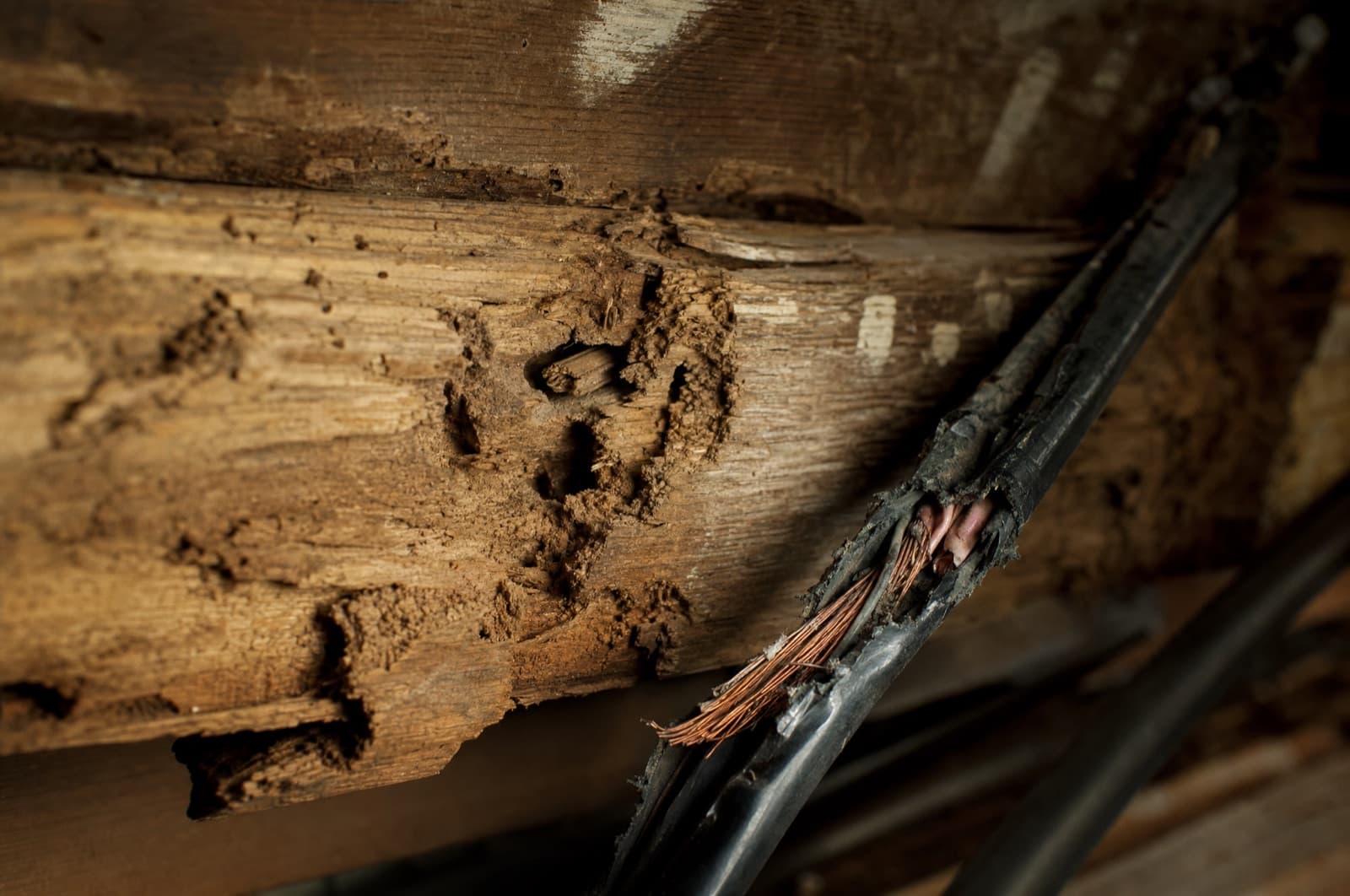
The honest place to start is the flea's own anatomy. Adult fleas have piercing-sucking mouthparts built for one job — drawing blood from a host — and nothing about that structure lets them chew, bore, or otherwise physically damage fabric, wood, or any household material. That's a genuinely different mechanism from every other pest on this hub: a rodent has a gnawing incisor, a clothes moth larva has a keratin-digesting gut, a termite has cellulose-processing biology. A flea has none of the equivalent tools, because it never needed them.
Even the larval stage, which does most of its development in carpet fibers, pet bedding, and cracks in flooring, isn't feeding on that material. Flea larvae eat "flea dirt" — the digested blood adult fleas excrete as feces — which simply falls into the environment around them. The larva is living in your carpet, not eating it.