
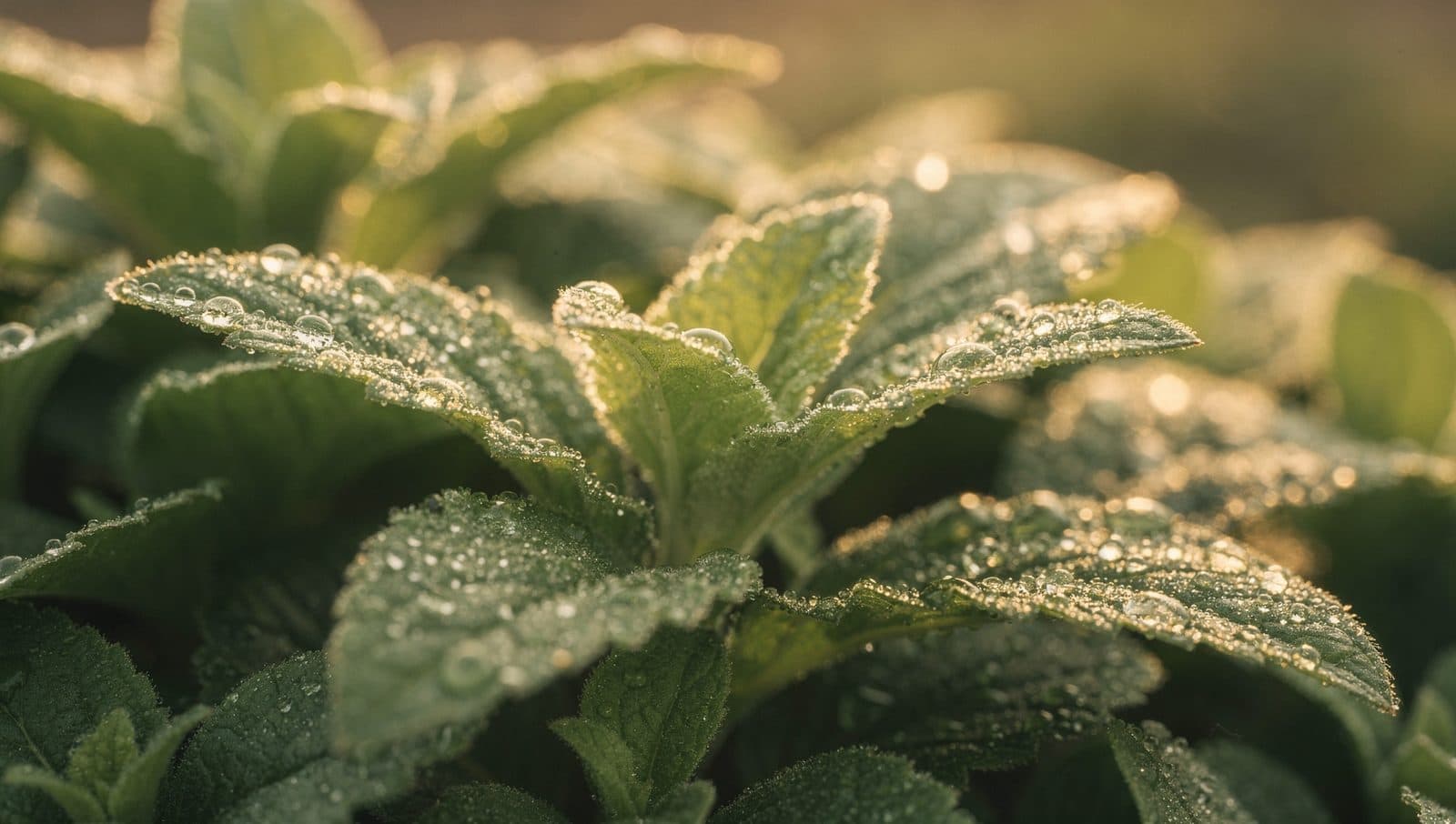
Are Fallen Leaves Bad for My Garden?
In garden beds, fallen leaves are a free soil amendment and wildlife habitat, not a problem — keep them off plant crowns and the foundation, and remove any diseased leaves.
At a glance
- The verdict: No, with two narrow exceptions
- Who fixes it: You
- Category: Fallen Leaves, Yard & Structural Pest Risk
The short answer
Generally no — in garden beds and around ornamentals, fallen leaves are a benefit, not a problem. They suppress weeds, conserve soil moisture, feed soil organisms as they decompose, and shelter overwintering beneficial insects and pollinators. There are two narrow exceptions worth knowing: don't pile leaves thickly against plant crowns or your home's foundation, and if a specific plant had a documented fungal leaf disease this year, rake and remove those leaves as sanitation rather than leaving them in place.
Who actually fixes this?
Start here
You
Whether to leave leaves in garden beds is a horticultural decision about soil health and plant care, not a pest-control question — and the honest answer here favors leaving them.
- UNH Extension — A specific plant had a serious, recurring fungal disease and you want confirmation on sanitation steps before next season.
The details, straight
The soil and habitat benefit
Cornell Cooperative Extension notes that leaf mulch on garden beds acts as a protective layer in winter and, during the growing season, prevents weed growth and helps conserve water, all while decomposing to add organic matter, structure, and nutrients back to the soil. That combination — free weed suppression, moisture retention, and slow-release fertility — is difficult to replicate with a bagged product, which is why extension programs across the country actively recommend leaving leaves in beds rather than hauling them away.
The wildlife value most gardeners don't consider
The Xerces Society describes fallen leaves as vital resources for overwintering pollinators and beneficial insects — many butterfly and moth species, along with numerous predators of garden pests, spend the winter in leaf litter rather than migrating or dying off. Clearing every leaf out of a garden bed removes that habitat along with the leaves, which can mean fewer beneficial insects working your garden the following season.
Exception one: disease sanitation
If a specific tree, shrub, or perennial had a documented fungal leaf disease this year — leaf spot, anthracnose, or similar — UConn Integrated Pest Management advises raking up and destroying the old leaves under that plant specifically, rather than leaving or composting them in place. This cuts down the spore load available to reinfect the same plant next spring. This is a targeted exception for a diagnosed problem, not a reason to remove leaves from healthy beds generally.
Exception two: placement near crowns and the foundation
Even where leaves are welcome, keep them a few inches clear of plant crowns to avoid rot at the base of perennials, and keep them off your home's foundation. A thick bank of leaves against siding or a foundation wall holds moisture against wood and creates the kind of damp, sheltered conditions that draw rodents, ants, and other moisture-loving pests close to entry points — a structural concern that has nothing to do with the plants themselves.
Key takeaways
- In garden beds, fallen leaves suppress weeds, conserve moisture, and add nutrients as they break down.
- Leaf litter is genuine winter habitat for overwintering pollinators, butterflies, moths, and beneficial predators.
- Exception: rake and destroy leaves from a plant with a documented fungal leaf disease, as sanitation.
- Exception: keep leaves a few inches off plant crowns and completely off the house foundation.
- For most gardeners, the honest bottom line is simple — keep the leaves in the beds; they're helping.
Worried about leaves near your house, not your beds?
Leaves in garden beds are a benefit. Leaves banked against your foundation are a different, genuine pest question — see how to tell the difference.
Check the foundation harborage riskA note for New Hampshire gardeners
With a long, snow-covered winter ahead, New Hampshire garden beds benefit especially from a leaf-mulch layer that insulates perennial roots and shelters overwintering insects until spring. Save the leaves you rake off the lawn and gutters for exactly this purpose, rather than bagging them for the curb. Anchor Pest Services doesn't manage garden soil health, but if you're also dealing with leaf litter piling up against your home's foundation, that's the genuine structural side of the leaf-problem picture we do handle, across Manchester, Nashua, Concord, and nearby towns.
NH-licensed applicator #782664 (NHDAMF, RSA 430) · NEPMA member · family-owned since 2017.
Related questions
Sources(3)
- [1]Cornell Cooperative Extension Monroe County — Benefits of Leaf Mulching
Leaf mulch on beds prevents weeds, conserves water, and adds organic matter
extensionverified 2026-07-14 - [2]Xerces Society — Leave the Leaves
Fallen leaves as vital overwintering habitat for pollinators and beneficial insects
academicverified 2026-07-14 - [3]UConn Integrated Pest Management — Leaf Spot Disease of Trees and Shrubs
Raking and destroying diseased leaves as sanitation to reduce next season's spore load
extensionverified 2026-07-14
Written & reviewed by
VerifiedDaniel Brady
NH-Licensed Pesticide Applicator · License #782664 (NHDAMF, RSA 430)
Daniel Brady is the New Hampshire–licensed applicator behind Anchor Pest Services, a family-owned pest control company serving the Manchester area since 2017.
Last updated 2026-07-14
Your next question
Honest pest help for New Hampshire homes
Garden Bed Leaves Are a Benefit — Your Foundation Is a Different Story
We'll tell you plainly that leaves in your garden beds are helping, not hurting. Where Anchor Pest Services genuinely helps is the rodents, ants, and moisture pests drawn to leaf litter banked against your home's foundation. Family-owned since 2017, NH license #782664, serving Manchester, Nashua, Concord and nearby towns.
- Honest advice — we won't tell you to remove leaves that are helping your garden
- NH-licensed team (#782664) with same-day service and a free quote
- Serving southern and central New Hampshire — rodents, ants, ticks, moisture pests
NH License #782664 · No obligation · We answer in person
Your next step
- Related guide
Do Fallen Leaves Attract Pests?
Read the answer - Related guide
Should I Remove Leaves From My Lawn or Garden Beds?
Read the answer - Related guide
How Often Should I Clean Up Fallen Leaves?
Read the answer - Related guide
Can Mold Grow on Fallen Leaves?
Read the answer - Related guide
Should I Mulch with Fallen Leaves?
Read the answer