
Do Fallen Leaves Attract Pests?
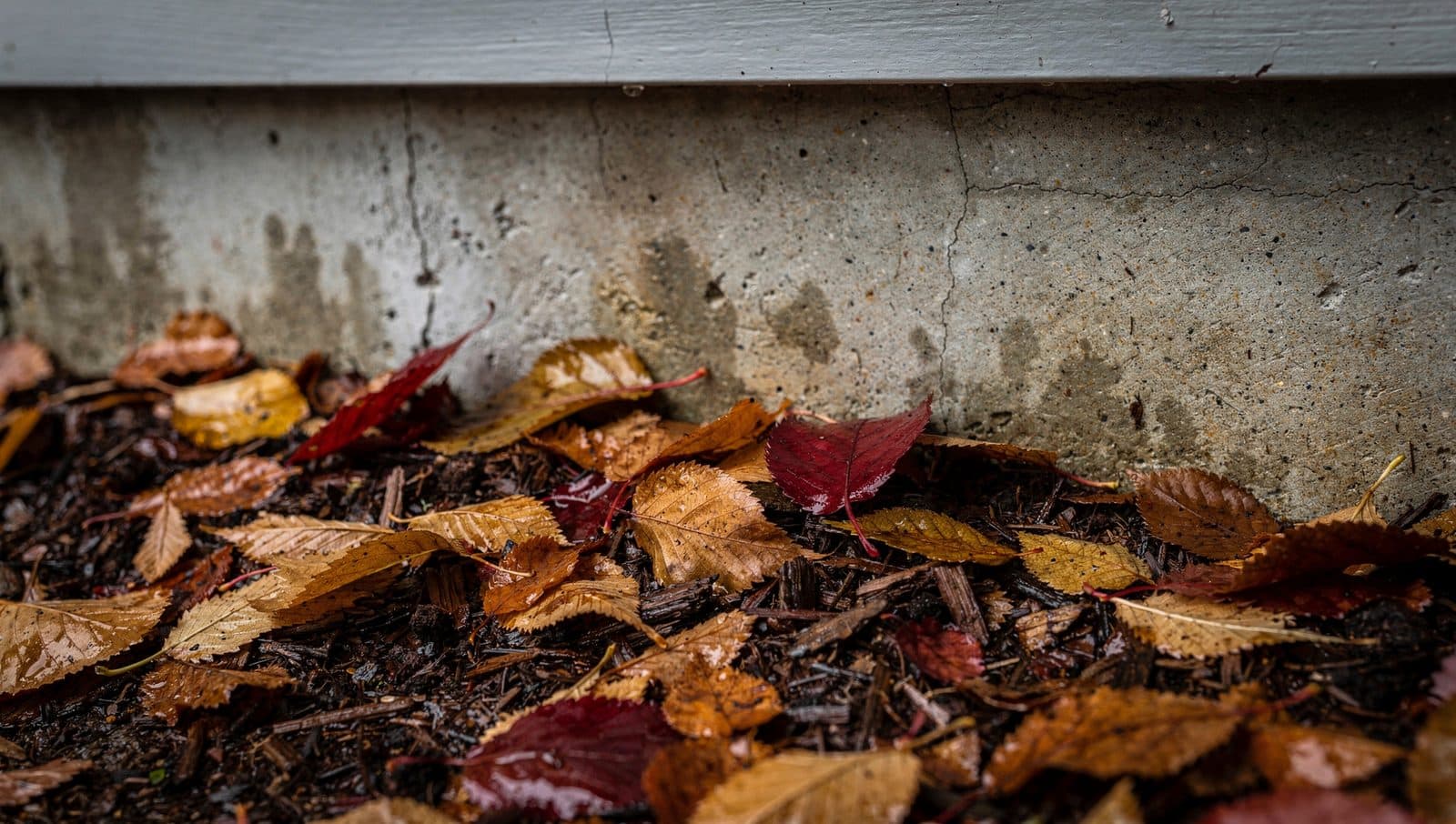
Most insects living in leaf litter are beneficial and stay in the yard; the pest concern is specific to damp litter and mulch banked against the foundation.
At a glance
- The verdict: Situational — depends where the leaves sit
- Who fixes it: You
- Category: Fallen Leaves, Yard & Structural Pest Risk
The short answer
Yes, fallen leaves harbor a lot of life, but most of it is beneficial and stays in the yard. The vast majority of insects that use leaf litter are pollinators, decomposers, and predators of pests, and their presence is actually a good thing for your landscape. The pest concern is specific and structural: moist leaf litter and mulch against a foundation shelter occasional invaders and give rodents and ants cover, and some of those then wander indoors.
Is this a pest-harborage risk?
Pest-harborage risk
situationalDamp, undisturbed leaf litter accumulating against a building foundation
- Why it matters
- These pests need moisture and cover, and leaf litter against the wall provides both, plus a short path to gaps around windows, doors, and foundation cracks. University of Minnesota Extension notes these occasional invaders are 'found in moist, decaying leaf litter or other organic material around building foundations' and 'crawl into homes from the soil and leaf litter, during late summer and fall.'
- When it's low risk
- Leaves out in the yard, away from the house, support beneficial insects and rarely cause indoor problems. The Xerces Society documents that leaf litter is vital overwintering habitat for butterflies, moths, and bumble bee queens — good reasons to keep leaves in the yard, just not against the house.
- What to do
- Remove leaf litter and decaying vegetation from around the foundation, keep a border of bare soil, thin foundation plantings so the soil dries out, and seal exterior cracks and gaps. Persistent indoor invaders after these steps are Anchor's work.
Who actually fixes this?
Start here
You
Clearing litter from the foundation band, thinning foundation plantings, and sealing obvious gaps are homeowner-level tasks that address most of this risk directly.
- Pest-control pro — Occasional invaders keep showing up indoors after you've cleared the litter and sealed gaps, or you find signs of rodents or ants actually established near the foundation.
The details, straight
The beneficial majority — why leaves in the yard are mostly good
Leaf litter is genuinely valuable habitat: it shelters pollinators, decomposer insects that recycle nutrients back into the soil, and predators that keep other pest populations in check. The Xerces Society's research on overwintering insects documents leaf litter as essential winter cover for butterflies, moths, and native bee queens. None of that ecological value is a concern for your home as long as the litter stays in the yard rather than against a wall.
Where it turns into a structural concern
The pest risk narrows sharply to one specific scenario: damp, undisturbed litter sitting against a foundation. That combination of moisture and cover is exactly what sowbugs, millipedes, centipedes, and springtails need, and it also gives ants and rodents a staging area close to entry points around windows, doors, and foundation cracks. University of Minnesota Extension's guidance — clear the litter, keep a bare-soil border, thin plantings so soil dries, and seal gaps — directly targets that narrow, real-risk zone without asking you to strip leaves from the rest of your property.
Key takeaways
- Most insects in leaf litter are beneficial decomposers, pollinators, or predators of other pests.
- The real pest concern is damp litter sitting against a foundation, not leaves in the yard generally.
- Sowbugs, millipedes, centipedes, and springtails are common occasional invaders from foundation litter.
- Keep a bare-soil border at the foundation and thin plantings so soil there dries out.
- Leave leaf litter in beds and mid-yard areas — it's genuinely good habitat away from the house.
Seeing bugs indoors, not just in the yard?
Occasional invaders that keep coming in after cleanup are a different problem than leaves in the garden. Find out when it's real.
Get a Free QuoteFallen leaves in the New Hampshire yard
New Hampshire's heavy October–November leaf drop means litter piles up fast, and most of what it shelters — springtails, beetles, spiders — is beneficial and belongs in the yard. The concern is narrower: damp leaf litter banked against the foundation gives rodents and moisture pests harborage right at the wall. UNH Cooperative Extension's published yard-and-garden guidance treats leaf litter as habitat to manage near the house rather than something to eliminate everywhere. Anchor Pest Services handles the structural side — keeping that litter from becoming a pathway indoors — not the leaves out in the beds.
NH-licensed applicator #782664 (NHDAMF, RSA 430) · NEPMA member · family-owned since 2017.
Related questions
Sources(2)
- [1]University of Minnesota Extension — Sowbugs, Millipedes, and Centipedes
Occasional invaders found in moist leaf litter around foundations and crawling indoors in late summer/fall
extensionverified 2026-07-14 - [2]Xerces Society — Leave the Leaves
Leaf litter as vital overwintering habitat for butterflies, moths, and bumble bee queens
academicverified 2026-07-14
Written & reviewed by
VerifiedDaniel Brady
NH-Licensed Pesticide Applicator · License #782664 (NHDAMF, RSA 430)
Daniel Brady is the New Hampshire–licensed applicator behind Anchor Pest Services, a family-owned pest control company serving the Manchester area since 2017.
Last updated 2026-07-14
Your next question
Honest pest help for New Hampshire homes
Yard Leaves Are Mostly Beneficial — Foundation Invaders Are Our Job
We won't tell you to strip every leaf from your yard — most of what they attract is good for your landscape. Anchor Pest Services helps when damp litter against your foundation has become an active source of indoor invaders, ants, or rodents. Family-owned since 2017, NH license #782664, serving Manchester, Nashua, Concord and nearby towns.
- Calibrated advice — most leaf-litter insects are beneficial
- Where it counts: litter against the house drawing pests indoors, handled by NH-licensed applicators (#782664)
- Yard-pest and rodent control for southern and central New Hampshire — free quote
NH License #782664 · No obligation · We answer in person
Your next step
- Book a NH pro
Pest Control Services
Licensed, family-owned pest control across southern NH.
Book now - Related guide
Are Fallen Leaves Bad for My Garden?
Read the answer - Related guide
Can Mold Grow on Fallen Leaves?
Read the answer - Related guide
How Often Should I Clean Up Fallen Leaves?
Read the answer - Related guide
Should I Mulch with Fallen Leaves?
Read the answer - Related guide
Can Leaf Piles Attract Rats or Insects?
Read the answer