
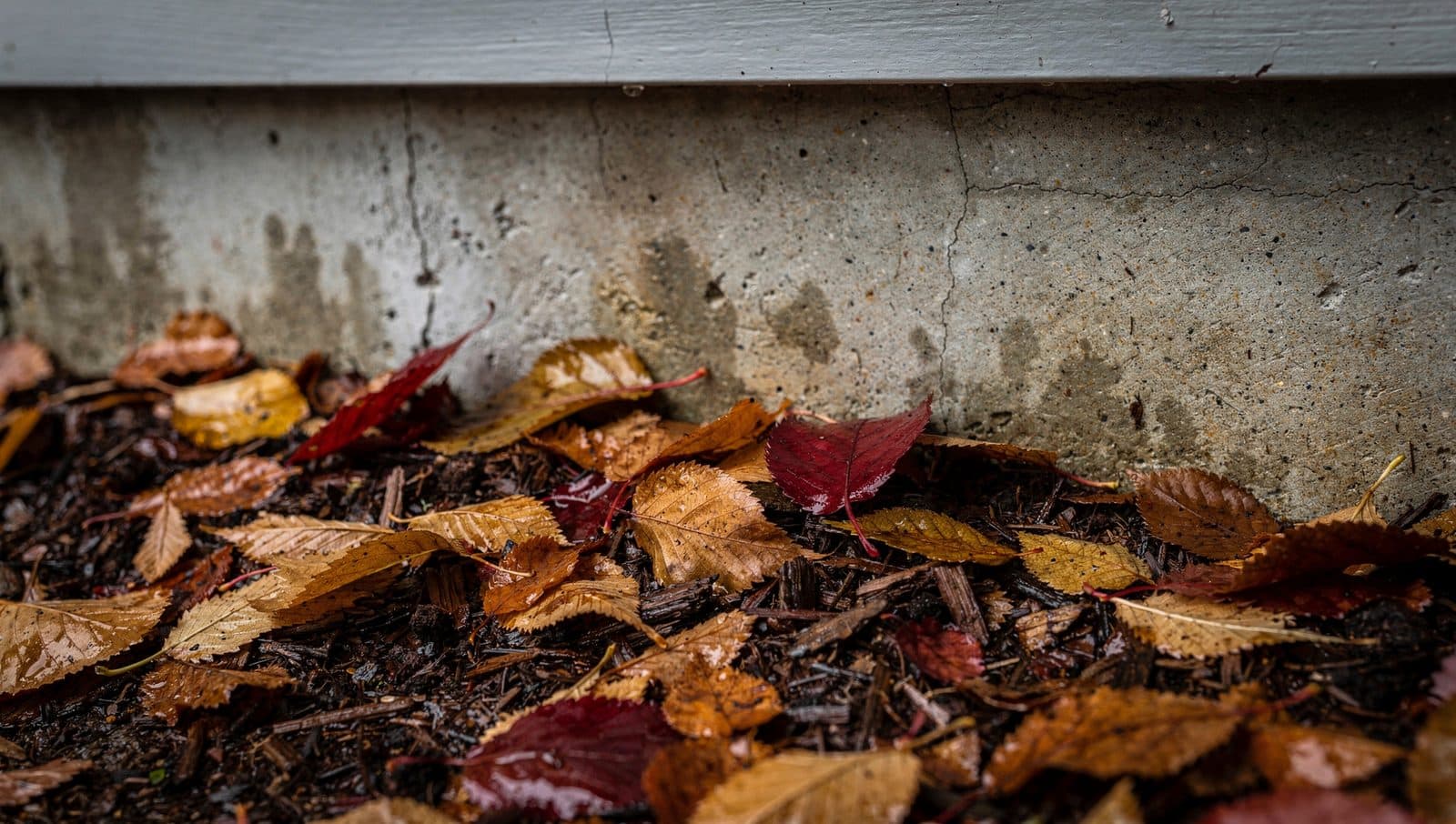
Are Wet Leaves Dangerous on Sidewalks or Driveways?
Wet, decomposing leaves on concrete or asphalt sharply cut traction and can hide cracks or ice beneath them — this is a genuine physical safety issue, not a pest-harborage one.
At a glance
- The verdict: Real risk — but a slip hazard, not a pest one
- Who fixes it: You
- Category: Fallen Leaves, Yard & Structural Pest Risk
The short answer
Yes. Wet, decomposing leaves on concrete, asphalt, stairs, and decks sharply reduce traction and can hide cracks, curbs, and ice beneath them. Safety guidance compares the effect to walking on ice. The people most at risk are older adults, children, and anyone with mobility limitations. This is a case where the honest answer routes you away from pest control entirely and toward routine, timely cleanup.
Is this a pest-harborage risk?
Pest-harborage risk
real riskWet, decomposing leaves left on sidewalks, driveways, stairs, and entryways
- Why it matters
- Occupational slip-safety guidance notes that 'fallen leaves that become wet or have started to decay can create a slip risk,' acting both as a slick surface on their own and by hiding hazards like ice, cracks, or curbs underneath. Wet leaves lose much of the friction dry leaves still offer, and a thin, decomposing layer on hard pavement behaves similarly to a film of ice underfoot.
- When it's low risk
- Dry leaves on a clear, well-lit walkway are a much smaller concern, and any surface that's promptly cleared after rain or leaf-drop carries little risk. The hazard is specifically the wet, matted, or partially decomposed state, and specifically on hard, non-absorbent surfaces like concrete and asphalt.
- What to do
- Clear leaves from walkways, driveways, stairs, and entries promptly, especially before and after rain. Treat wet leaves like ice — slow down and take shorter steps — and watch shaded, sloped areas where leaves and hidden ice collect together. Property owners generally have a duty to keep walkways reasonably safe, and timely removal is the reasonable step; this is not a call for Anchor or any pest-control service.
Who actually fixes this?
Start here
You
Clearing wet leaves from walkways and driveways promptly is routine property maintenance, and it's the entire fix for this specific hazard — no pest-control involvement applies here.
- Pest-control pro — Separately, if leaves cleared from these surfaces are then piled against your foundation, that's a different question worth checking for pest harborage — but it's unrelated to the slip hazard itself.
The details, straight
Why wet leaves behave like ice
A dry leaf on pavement still has some grip, but once leaves get wet and begin to decompose, the surface breaks down into a slick, thin film that dramatically cuts traction — the comparison occupational safety guidance makes to walking on ice isn't an exaggeration. The danger compounds because a mat of wet leaves also conceals what's underneath it: a curb edge, a crack, a patch of black ice, or an uneven seam in the pavement. You're not just dealing with reduced traction; you're also dealing with a hidden surface.
Who's most at risk, and what actually prevents falls
Older adults, young children, and anyone with mobility limitations face the greatest risk from a slip on wet leaves, since a fall on hard pavement can cause serious injury regardless of how minor the initial slip feels. The fix is entirely behavioral and mechanical: clear leaves from walkways, driveways, stairs, and entries promptly, especially right before and after rain when the hazard is most acute. Treat any remaining wet-leaf patches like ice by slowing down and taking shorter steps, and pay particular attention to shaded, sloped areas where leaves and hidden ice tend to collect together and linger longer than on sunnier, flatter ground.
Key takeaways
- Wet, decomposing leaves on hard pavement act like a thin layer of ice underfoot.
- The hazard also hides cracks, curbs, and actual ice beneath the leaves.
- Older adults, children, and anyone with mobility limitations face the greatest risk.
- Clear walkways, driveways, and stairs promptly, especially before and after rain.
- This is a safety and cleanup issue, not a pest-control one — this isn't work Anchor does.
Cleared the walkway — now check the foundation
Where those leaves end up matters too. See when a cleared pile becomes a pest-harborage question.
Check the harborage riskA New Hampshire seasonal note
In Manchester and across southern and central New Hampshire, wet leaves overlap with the start of freezing weather, which means the same shaded, sloped walkway can hide both a wet-leaf slip hazard and early ice underneath it. Clearing walkways promptly through peak leaf-drop and staying alert on shaded areas into the first frost window is the practical way to manage both risks together.
NH-licensed applicator #782664 (NHDAMF, RSA 430) · NEPMA member · family-owned since 2017.
Related questions
Sources(2)
- [1]MRL Fund — Workplace Safety: Outdoor Slip and Fall Hazards
Wet or decaying fallen leaves create a slip risk comparable to ice, both as a slick surface and by hiding hazards beneath them
govverified 2026-07-14 - [2]UNH Cooperative Extension — Is It Necessary to Rake Leaves in the Fall?
New Hampshire leaf-drop timing relevant to walkway cleanup scheduling
extensionverified 2026-07-14
Written & reviewed by
VerifiedDaniel Brady
NH-Licensed Pesticide Applicator · License #782664 (NHDAMF, RSA 430)
Daniel Brady is the New Hampshire–licensed applicator behind Anchor Pest Services, a family-owned pest control company serving the Manchester area since 2017.
Last updated 2026-07-14
Honest pest help for New Hampshire homes
Slip Hazards Are Yard Safety — Foundation Pests Are Our Job
Clearing wet leaves from your sidewalk and driveway is a safety task, not a pest-control one, and we'll say so plainly. Anchor Pest Services is here for the separate, genuine question of leaf litter and debris becoming rodent, ant, or moisture-pest harborage against your home. Family-owned since 2017, NH license #782664, serving Manchester, Nashua, Concord and nearby towns.
- Honest calibration — this is a slip hazard, not a pest one
- NH-licensed applicators (#782664) — same-day help, quote at no charge
- Rodent, ant, tick, and moisture-pest control across southern and central NH
NH License #782664 · No obligation · We answer in person
Your next step
- Related guide
Can Wet Leaves Cause Fungus or Rot?
Read the answer - Related guide
What Happens If I Don't Remove Dead Leaves in Autumn?
Read the answer - Related guide
Do Rotting Leaves Spread Bacteria?
Read the answer - Related guide
Can Tree Leaves Damage Roofs or Gutters?
Read the answer - Related guide
Can Mold Grow on Fallen Leaves?
Read the answer