
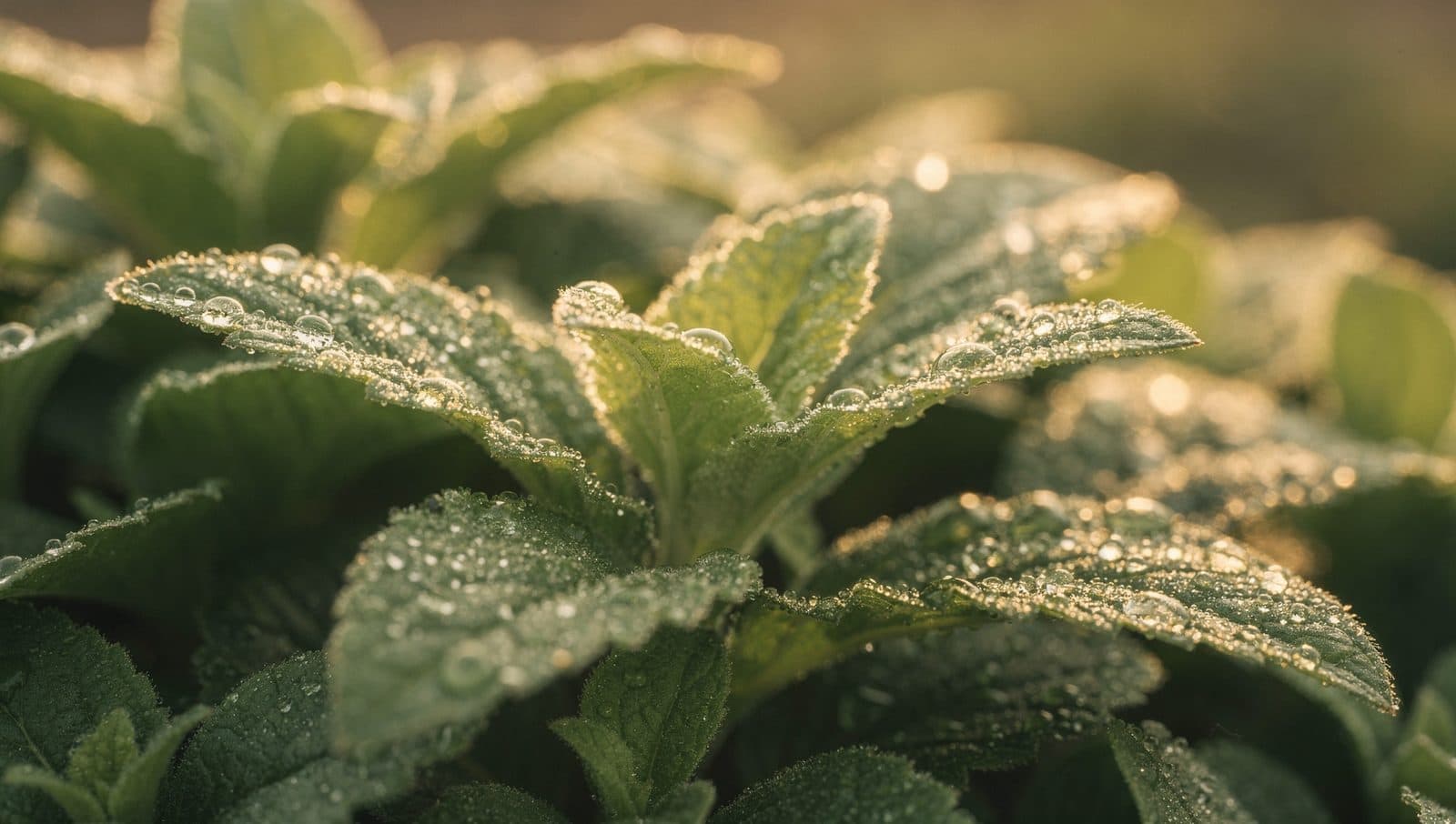
Can Wet Leaves Cause Fungus or Rot?
Yes — prolonged leaf wetness is the single biggest trigger for foliar fungal and bacterial infection, and persistently wet, poorly drained soil separately drives root and crown rot.
At a glance
- The verdict: Yes, and it's the main trigger
- Who fixes it: You
- Category: Leaf Disease & Fungus Management
The short answer
Yes. Moisture is required for most fungal and bacterial pathogens to germinate, spread, and infect, per UMass Extension. Most leaf-spot diseases need 12 to 24 continuous hours of leaf wetness to start an infection, per University of Minnesota Extension. Standing water and waterlogged soil separately cause root and crown rot from water-mold pathogens like Phytophthora and Pythium, per UC IPM. The fix is cultural — water at the base of the plant early in the day, and improve drainage and airflow — not a pest-control treatment.
Who actually fixes this?
Start here
You
Watering technique, drainage, and airflow are cultural fixes you control directly — there's no insect causing this pattern.
- Garden center — you want to improve drainage with soil amendments or raised beds
- Certified arborist — the wet/rot issue involves a large tree's canopy or root zone
- UNH Extension — you want an exact pathogen ID
The details, straight
Leaf-wetness duration is the key trigger
UMN Extension explains that most leaf-spot diseases "need either water on the leaves or very high humidity for a prolonged period (12 to 24 hours) to start an infection." Peer-reviewed research (Magarey et al., 2005) reports the wetness duration needed for infection varies widely by pathogen, from as little as half an hour to over 100 hours — but the underlying rule holds: the longer leaves stay wet, the greater the infection risk.
Reducing wetness genuinely reduces disease
UMass Extension states plainly that "reducing the duration of leaf wetness reduces the potential for disease infection." That's the practical payoff of watering the soil instead of the foliage, and watering early in the day so any water that does land on leaves has time to dry before nightfall rather than sitting wet overnight.
Waterlogged soil causes a separate problem: root and crown rot
UC IPM notes that Phytophthora, a water-mold pathogen, needs only 4 to 8 hours of soil saturation to infect under favorable conditions. Poorly drained, compacted soil and overwatering are the main drivers — this is a root-and-crown-level problem rather than a leaf-surface one, though the visible symptoms (wilting, yellowing) often show up in the canopy first.
Wet leaf piles are their own micro-issue
A dense, soggy leaf mat holds moisture for a long time and can support visible mold growth on its own. Disturbing a wet, moldy pile is a separate health consideration for people with allergies, asthma, or weakened immune systems — see the related question on rotting leaves and bacteria for those precautions.
New Hampshire's cool, wet weather makes this relevant
Cool, wet New Hampshire springs and heavy overnight dew create long wetness windows that extension programs specifically flag as favorable for anthracnose and leaf-spot diseases in New England. Years with more overcast, drizzly stretches tend to see more foliar disease than dry years, simply because leaves stay wet longer.
Key takeaways
- Yes — prolonged leaf wetness (often 12 to 24 hours) is the main trigger for foliar fungal and bacterial infection.
- Waterlogged soil separately drives root and crown rot from water molds like Phytophthora, which can infect in as little as 4 to 8 hours of saturation.
- Water at the base of the plant, early in the day, so leaves dry before nightfall.
- Improve drainage and airflow to shorten how long foliage and soil stay wet.
- Cool, wet New Hampshire spring weather is a known driver of anthracnose and leaf-spot flare-ups.
Water and drainage under control, but still see fungus?
See the full cultural routine for stopping fungal growth on leaves before you reach for a spray.
See how to stop fungal growthWet leaves against the foundation in New Hampshire
In southern and central New Hampshire, snowmelt and a rainy spring keep leaf litter and clogged gutters wet for weeks, and that retained moisture — not the leaf disease itself — is what draws carpenter ants, other moisture pests, and rodents toward the structure. UNH Cooperative Extension's home-pest guidance stresses diverting water away from the foundation with working gutters and downspouts. The plant-disease side (leaf spot and rot on your plants) stays a garden question, but clearing wet leaves banked against the house is legitimate structural-pest prevention, and that part is genuinely ours across the Manchester, Nashua, and Concord area.
NH-licensed applicator #782664 (NHDAMF, RSA 430) · NEPMA member · family-owned since 2017.
Related questions
Sources(4)
- [1]UMass Extension — Diseases of Trees and Shrubs
Reducing leaf-wetness duration reduces infection potential
extensionverified 2026-07-14 - [2]University of Minnesota Extension — Leaf Spot Diseases of Trees and Shrubs
12-24 hour leaf-wetness window needed for infection
extensionverified 2026-07-14 - [3]UC IPM — Phytophthora Root and Crown Rot
4-8 hour soil saturation triggering root/crown rot infection
extensionverified 2026-07-14 - [4]University of Minnesota Extension — Anthracnose of Trees and Shrubs
Cool, wet spring weather favoring anthracnose in New England
extensionverified 2026-07-14
Written & reviewed by
VerifiedDaniel Brady
NH-Licensed Pesticide Applicator · License #782664 (NHDAMF, RSA 430)
Daniel Brady is the New Hampshire–licensed applicator behind Anchor Pest Services, a family-owned pest control company serving the Manchester area since 2017.
Last updated 2026-07-14
Honest pest help for New Hampshire homes
Leaf Diseases Are Plant Care — But Your Home Is Our Job
Diagnosing and treating a plant disease is garden and tree care, and we'll always tell you so. Where Anchor Pest Services genuinely helps is the pests around your home — rodents, ants, ticks, and moisture pests drawn to leaf litter and debris against the foundation. Family-owned since 2017, NH license #782664, serving Manchester, Nashua, Concord and nearby towns.
- Straight talk — leaf-spot on the plant isn't ours to treat, and we say so
- The real overlap: foundation-adjacent moisture pests, handled by NH-licensed applicators (#782664)
- Serving homes across southern and central New Hampshire — free quote
NH License #782664 · No obligation · We answer in person
Your next step
- Book a NH pro
Pest Control Services
Licensed, family-owned pest control across southern NH.
Book now - Related guide
Do Leaves Rot and Cause Bad Smells?
Read the answer - Related guide
Can Leaf Fungus Kill a Plant?
Read the answer - Related guide
How Can I Stop Fungal Growth on Leaves?
Read the answer - Related guide
Are Wet Leaves Dangerous on Sidewalks or Driveways?
Read the answer - Related guide
Why Do Leaves Turn Black After Watering?
Read the answer