
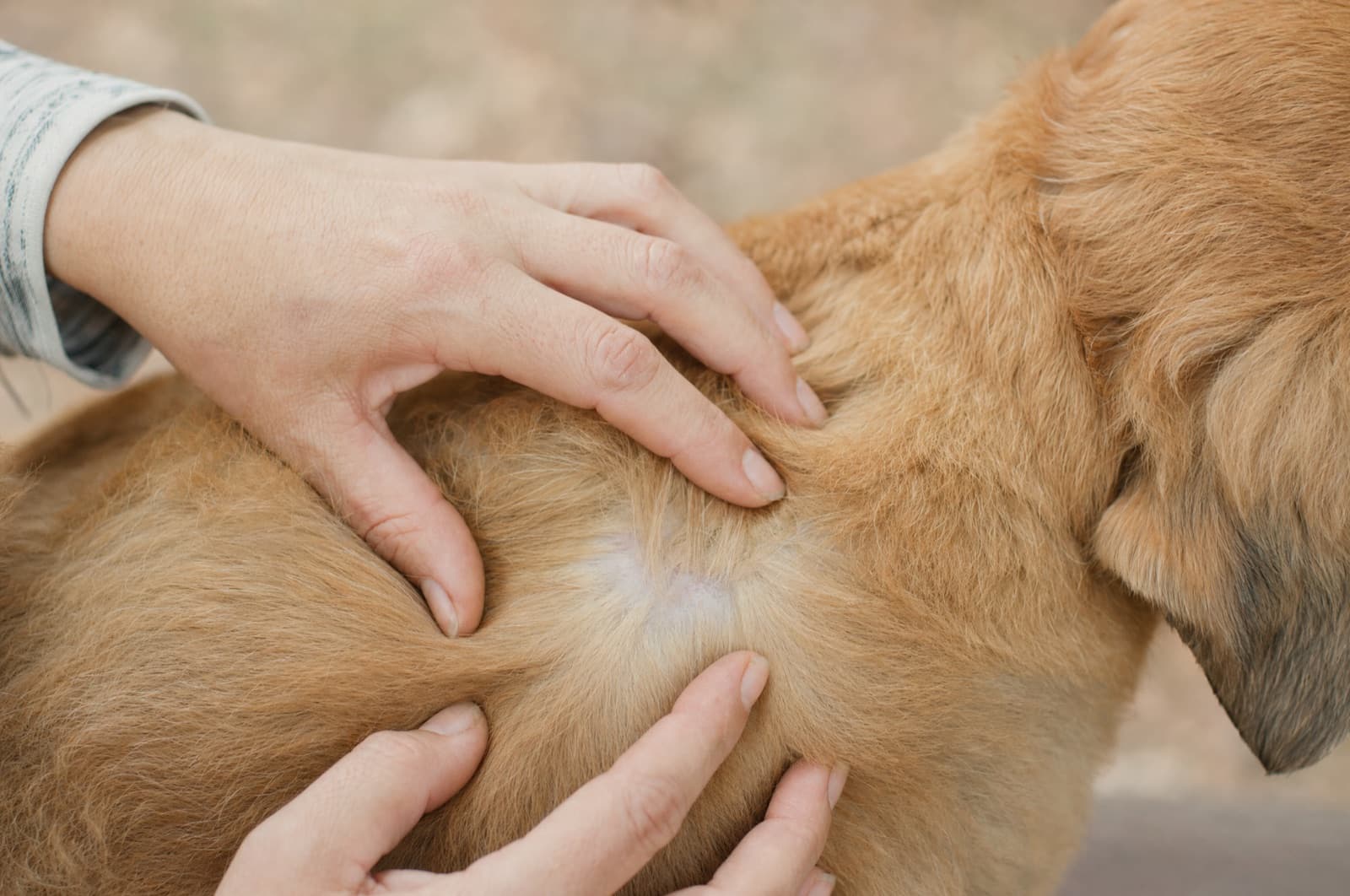
Tick Found on a Puppy or Kitten: What to Check and Do Next
You can remove the tick yourself with extra gentleness — but choosing any tick-preventive product for a puppy or kitten, and watching a very young animal afterward, leans more heavily on your veterinarian than it would for an adult pet.
The removal itself is well within your reach. What genuinely needs a vet's input here is everything that comes after — prevention products and any sign of illness in a small, still-developing animal.
At a glance
- Whose desk: Your hands
- Urgency: Call your vet soon
- The rest lives at: Ticks & fleas FAQ
Whose job is this, really?
Pet-parasite questions belong to three genuinely different owners. Here's the desk that actually owns this one — even when the honest answer is 'not us.'
You can remove the tick yourself with extra gentleness — but choosing any tick-preventive product for a puppy or kitten, and watching a very young animal afterward, leans more heavily on your veterinarian than it would for an adult pet.
The removal itself is well within your reach. What genuinely needs a vet's input here is everything that comes after — prevention products and any sign of illness in a small, still-developing animal.
What this means for your pet — and when to act
Health-conservative by construction: when in doubt, this escalates. Read the trigger for what moves you up a band.
Remove the tick now, then check in with your vet about prevention and any signs
Puppies and kittens are smaller and more vulnerable to blood loss with a heavy tick burden, and preventive product choice and dosing in very young animals is strictly a veterinary decision — this combination warrants a more cautious band than the same scenario in an adult pet.
Pale gums, weakness, lethargy, poor feeding, fever, or later swelling or limping — call your veterinarian promptly rather than waiting.
Route to your veterinarian — not Anchor, not a web page.
What to check — and what it means
After removal, watch a puppy or kitten more closely than you might an adult pet, because young animals show fewer reserves if something does go wrong:
Pale or white gums, or noticeable weakness
Means: Possible anemia, more of a concern with heavy tick burdens in small animals — call your vet promptly.
Lethargy or poor feeding beyond the first day
Means: A non-specific illness sign — worth a timely vet call in a young animal.
Fever
Means: Possible systemic reaction — call your vet.
Swelling or limping appearing days to weeks later
Means: Possible tick-borne illness sign — mention it at a vet visit or call sooner if it worsens.
The safe technique, step by step
Remove the tick the same way you would on an adult pet, just with extra gentleness and patience for a wiggly youngster.
Get a helper to gently and securely hold the puppy or kitten — a towel wrap can help calm a squirmy one.
Young animals startle and wiggle more than adults; a patient, gentle hold matters.
Part the fur and, with clean fine-tipped tweezers or a tick-removal tool, grasp the tick as close to the skin as possible.
The mechanics are identical to an adult dog or cat.
Pull upward with steady, even pressure — no twisting, no squeezing the body.
Twisting can break off mouthparts; squeezing can force fluid into the bite.
Clean the bite site gently and save the tick in a sealed bag with the date.
Call your veterinarian to discuss age-appropriate tick prevention going forward and to mention the bite, especially for a very young or small animal.
Product and dosing choice for puppies and kittens is a veterinary decision, not a shelf pick.
- Do not apply any over-the-counter tick product to a puppy or kitten without veterinary guidance — permethrin and pyrethroid products made for adult dogs can be fatal to kittens, and dosing for very young or small animals is not a guess to make yourself.
- Do not use nail polish, petroleum jelly, or a hot match to remove the tick.
- Do not skip the vet check-in just because the removal went smoothly — a young animal's first tick bite is worth mentioning.
This hub owns pet-specific prevention
The general biology, the mosquito Q&A, the pet-product safety — those live in siblings that already earn them. Here's exactly where.
Preventive product choice for puppies and kittens is a veterinarian's decision — see /is-pest-control-safe-for-pets for general product-safety context and our ticks & fleas FAQ for tick biology.
How this calibrates for NH
New Hampshire pets can pick up ticks in their own backyards, and a young pet's first outdoor season often overlaps the mid-May-to-mid-July nymph peak — check a puppy or kitten daily during that window, the same as you would an adult, but treat any find as a reason to loop in your vet given the animal's smaller size.
NH-licensed applicator #782664 (NHDAMF, RSA 430) · NEPMA member · family-owned since 2017.
Frequently asked
Sources(3)
- [1]CDC
Preventing Ticks on Pets — cats extremely sensitive, vet consultation required
- [2]International Cat Care
Permethrin poisoning risk in young cats
- [3]Merck Veterinary Manual
Tick removal technique in dogs and cats
Written & reviewed by
VerifiedDaniel Brady
NH-Licensed Pesticide Applicator · License #782664 (NHDAMF, RSA 430)
Daniel Brady is the New Hampshire–licensed applicator behind Anchor Pest Services, a family-owned pest control company serving the Manchester area since 2017.
Your next step
- pet-parasite-prevention
How to safely remove a tick from a dog at home
Read the answer - pet-parasite-prevention
How to safely remove a tick from a cat at home
Read the answer - pet-parasite-prevention
Safe tick prevention for multi-pet households
Read the answer - is-pest-control-safe-for-pets
Is pest control safe for pets?
Read the answer
Anchor Pest Services
Have a different pest question?
This one may be your vet's call, not a spray — but if you're facing something that is a pest job, we serve Southern New Hampshire with a free inspection and same-day service.
- NH-licensed applicator
- Same-day service
- Pet & family-conscious
NH License #782664 · No obligation · We answer in person