
Does Hanging Objects Like Paper Bags Deter Wasps From Nesting?
At a Glance
- The call: A crumpled paper bag relies on the same unproven rival-nest theory as a molded decoy, without even the visual resemblance. We found no evidence it works.
The short of it
A crumpled paper bag relies on the same unproven rival-nest theory as a molded decoy, without even the visual resemblance. We found no evidence it works.
The remedy, graded honestly
A useless remedy is harmless — this is a fact-check, not a safety warning.
Hanging a crumpled paper bag (or similar object) to deter wasps from nesting nearby
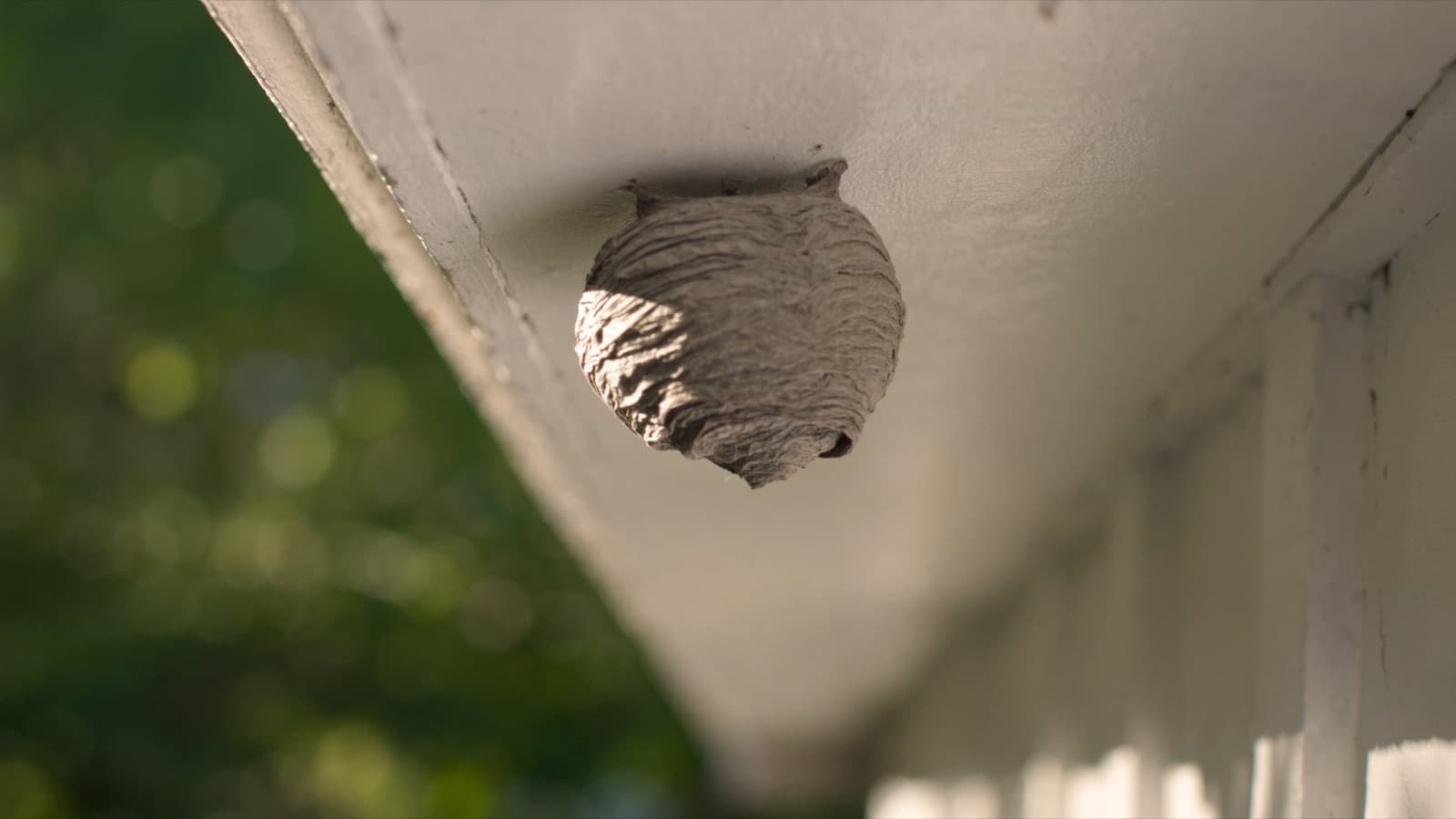
This remedy runs on the identical unproven premise as a molded fake wasp nest — that wasps will avoid nesting near what looks like an existing rival colony — but with a cruder object standing in for a purpose-built decoy. We could not source any credible field evidence, controlled or anecdotal, that a hanging paper bag deters wasp nesting specifically. Where the underlying territorial idea has any behavioral basis at all, it's for paper wasps recognizing an actual rival nest shape; a bag lacks even the visual mimicry a molded decoy attempts, and there's no documented reason a wasp would read a paper bag as a colony.
It costs nothing, takes a minute to try, and gets repeated online as a folk trick often enough that it feels tested even though it isn't. Anyone who hangs a bag and doesn't get a wasp nest that season credits the bag, without a comparison to what would have happened without one.
Sealing likely entry points and attachment surfaces before wasps start scouting in spring, and removing food attractants around the property, both have real support behind them as prevention steps — see our prevention pages for specifics. A paper bag isn't a substitute for either.
Harmless, not dangerous — this is a “doesn’t work,” not a safety warning. The danger call is the router’s job, not this one’s.
The full picture
Same idea as a fake nest, one step cruder
A molded decoy at least attempts to visually resemble an actual wasp nest, and even that version has no controlled evidence behind it — see our page on fake nest decoys. A crumpled paper bag doesn't even have that resemblance going for it. If the underlying territorial-avoidance idea requires a wasp to recognize a nest shape, a bag is a weaker version of an already-unproven claim, not a genuinely different one.
What we could not find
We looked for any credible source — controlled study, extension publication, or even a consistent field observation — showing hanging paper bags specifically deter wasp nesting, and came up empty. That's stated directly rather than reaching for a thin source to fill the gap. The claim appears to circulate primarily through repetition, not documented results.
What actually reduces new nesting
Sealing gaps in siding, soffits, and eaves before wasps start scouting in spring closes off the physical opportunity to build, which is a more defensible mechanism than trying to bluff a wasp with an object. Reducing food sources around a property also lowers the appeal of an area generally. Neither of those depends on convincing a wasp that a paper bag is a rival colony.
The honest line — A crumpled paper bag relies on the same unproven rival-nest theory as a molded decoy, without even the visual resemblance. We found no evidence it works.
Key takeaways
- This remedy relies on the same unproven premise as fake nest decoys, without the visual resemblance a molded decoy at least attempts.
- We could not source any credible evidence, controlled or anecdotal, that hanging paper bags deter wasp nesting.
- The claim appears to spread through repetition rather than documented observation.
- Sealing entry points and attachment surfaces before spring scouting is a better-supported prevention step.
- Removing food attractants around a property also has real support behind it, independent of this remedy.
Where to go next
Identification, sting treatment, per-species DIY viability, and nest-reuse facts each live on the hub that owns them. We route, we don't rebuild.
DIY viability by species
The router's source of truth — which nests are DIY-able.
Go thereIdentify the species
Tell the wasps, hornets, and lookalikes apart.
Go thereSting & allergy treatment
What to do about a sting or a reaction.
Go thereNest reuse & winter
The colony dies at frost; the nest is never reused.
Go there
Already have a nest despite the bag trick?
If a nest has started forming anyway, Anchor can identify the species and the right next step.
Frequently asked questions
Sources(2)
- [1]UNH Cooperative Extension — Controlling Wasps, Bees and Hornets Around Your Home
Sealing entry points as an evidenced prevention measure, contrasted with unproven deterrent objects
extensionverified 2026-07-17 - [2]University of Maryland Extension — Social Wasps: Yellowjackets, Hornets and Paper Wasps
General social-wasp nesting behavior and site selection
extensionverified 2026-07-17
Written & reviewed by
VerifiedDaniel Brady
NH-Licensed Pesticide Applicator · License #782664 (NHDAMF, RSA 430)
Daniel Brady is the New Hampshire–licensed applicator behind Anchor Pest Services, a family-owned pest control company serving the Manchester area since 2017.
Last updated 2026-07-17
Prevention that's actually evidenced
Close the opportunity, not just the sight line
A licensed technician can identify the entry points and attractants actually worth addressing before the season starts.
- Family-owned since 2017
- NH License #782664, category F1 (RSA 430, NHDAMF)
- Member, NEPMA