
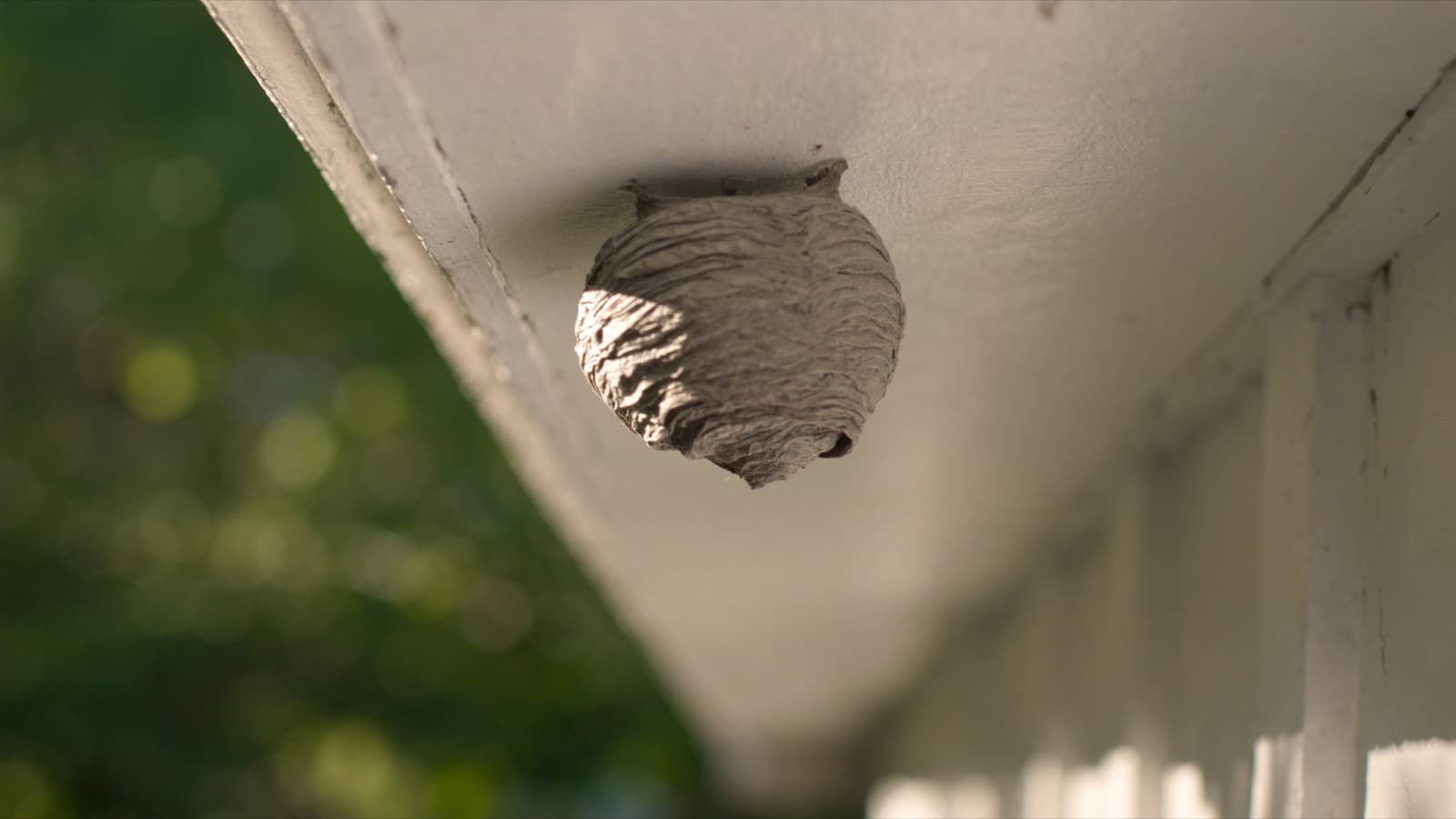
How Can I Get Rid of Wasps, Yellowjackets, or Hornets Effectively?
At a Glance
- The call: "Effectively" depends entirely on which species and where the nest is. Species-by-species removal steps live on /top-diy-methods, not on this page.
The short of it
"Effectively" depends entirely on which species and where the nest is. Species-by-species removal steps live on /top-diy-methods, not on this page.
The full picture
Why there's no single "effective method" to give here
Extension entomology treats wasp removal as a decision tree, not a single recipe: species, nest location (exposed versus concealed), and time of season all change what's realistic and what's safe. A generic removal procedure that ignores those variables would be wrong for a meaningful share of readers — either overstating what a homeowner should attempt, or understating what's genuinely DIY-able for the easier cases. That's why this page identifies the variables that matter rather than prescribing one method.
Where the actual how-to lives
/top-diy-methods carries the real, species-specific removal guidance: what's realistic for a mud dauber, a paper wasp, a yellowjacket, a bald-faced hornet, and a European hornet, each rated on its own DIY viability. That's a deliberate design choice — removal procedure belongs on the hub built around species-by-species verdicts, not duplicated here in a way that could drift out of sync with it.
What this hub actually covers instead
This hub focuses on the decision in front of you before you act: identifying what you're dealing with (hand off to /wasp-species), understanding nest facts that inform the decision (colony size, location patterns, seasonal timing — covered across this hub's other pages), and prevention steps that reduce the chance of a new nest forming in the first place, covered on our other prevention pages. Season matters here too: in southern New Hampshire (Manchester, USDA hardiness zone 5b–6a) a colony runs from queens founding nests on warm April–May days to the sustained cold after the average first hard freeze, around October 19 by National Weather Service climate normals — so an early, small nest and a late-summer mature one are genuinely different jobs. For the actual removal steps once you know your situation, /top-diy-methods is the next stop.
The honest line — "Effectively" depends entirely on which species and where the nest is. Species-by-species removal steps live on /top-diy-methods, not on this page.
Key takeaways
- There is no single "effective method" — species, nest location, and season all change the right approach.
- A mud dauber and a small early-season paper-wasp nest are workable with basic care.
- Yellowjacket, bald-faced hornet, and European hornet colonies, and any wall or underground nest, are professional-level jobs.
- Species-by-species removal steps live on /top-diy-methods, not on this page.
- This hub focuses on identification hand-off, nest facts, and prevention — not removal procedure.
Where to go next
Identification, sting treatment, per-species DIY viability, and nest-reuse facts each live on the hub that owns them. We route, we don't rebuild.
DIY viability by species
The router's source of truth — which nests are DIY-able.
Go thereIdentify the species
Tell the wasps, hornets, and lookalikes apart.
Go thereSting & allergy treatment
What to do about a sting or a reaction.
Go thereNest reuse & winter
The colony dies at frost; the nest is never reused.
Go there
Ready to see what's realistic for your specific nest?
Anchor can identify the species and give you an honest read on whether it's DIY-able or a professional job.
Frequently asked questions
Sources(2)
- [1]UNH Cooperative Extension — Controlling Wasps, Bees and Hornets Around Your Home
Removal approach depends on species, nest location, and season rather than a single method
extensionverified 2026-07-17 - [2]Penn State Extension — Getting Rid of Paper Wasps, Yellowjackets and Other Stinging Insects
Different treatment approaches for small exposed nests vs. large or concealed colonies
extensionverified 2026-07-17
Written & reviewed by
VerifiedDaniel Brady
NH-Licensed Pesticide Applicator · License #782664 (NHDAMF, RSA 430)
Daniel Brady is the New Hampshire–licensed applicator behind Anchor Pest Services, a family-owned pest control company serving the Manchester area since 2017.
Last updated 2026-07-17
One question, several right answers
The right method depends on what you actually have
A licensed technician can confirm species and situation, then point you to the right next step, DIY or professional.
- Family-owned since 2017
- NH License #782664, category F1 (RSA 430, NHDAMF)
- Member, NEPMA