
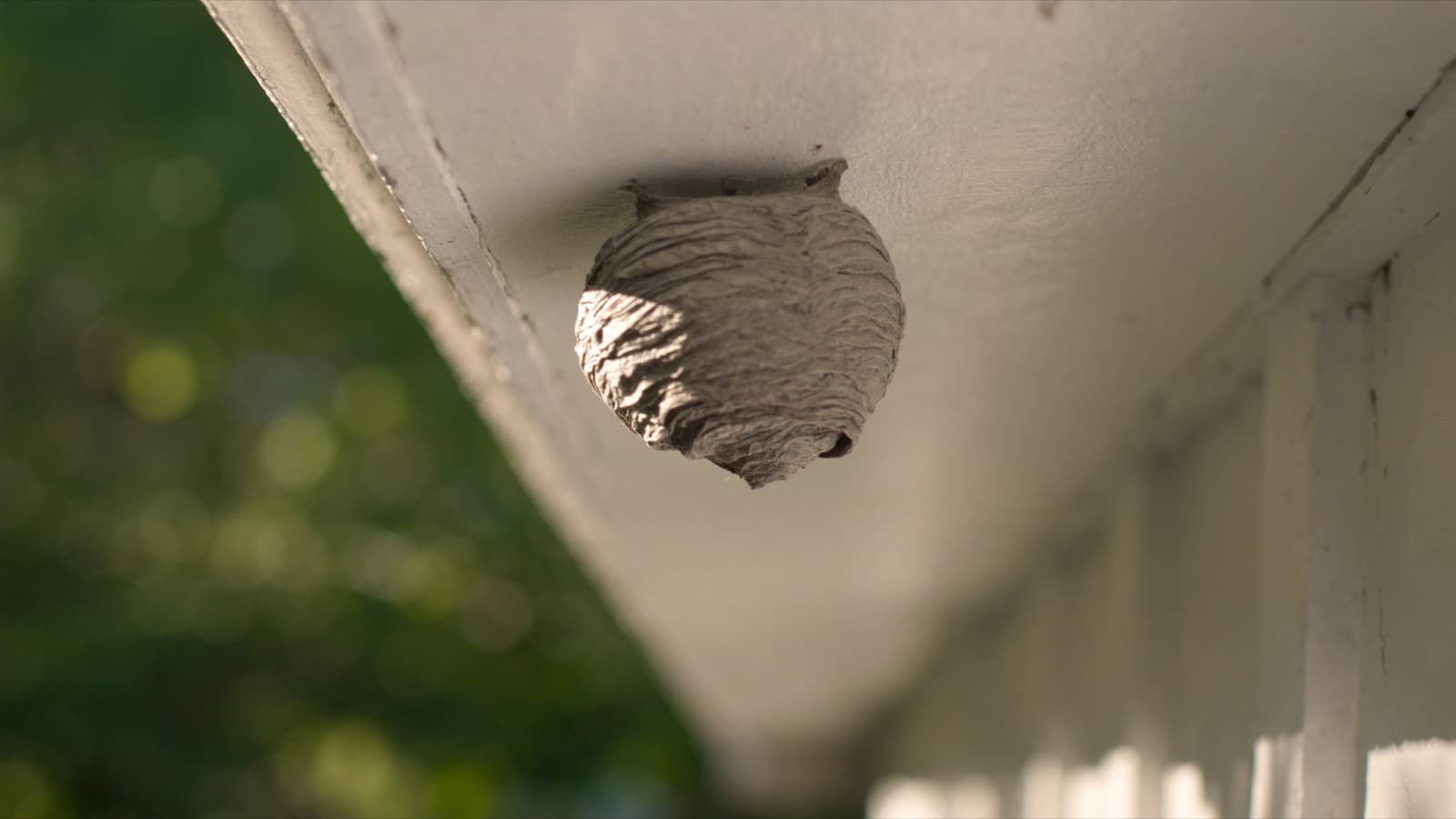
How Long Are Wasps Active During a Season?
At a Glance
- The call: A social wasp colony runs from a lone queen emerging in spring to a sustained hard freeze in fall — one season, one colony, and the nest is never used again.
The short of it
A social wasp colony runs from a lone queen emerging in spring to a sustained hard freeze in fall — one season, one colony, and the nest is never used again.
The full picture
How the season actually unfolds
It starts with a single overwintered queen, who mated the previous fall and spent winter alone in a sheltered spot like leaf litter, emerging on warm spring days to found a nest by herself. Early on, she does all the foraging and building; once the first workers hatch, they take over that labor and the colony's growth accelerates through the summer. Population and colony activity peak in late summer, which is also when foraging for sugar and protein becomes most aggressive as natural food sources start to dwindle.
How the season ends, and why nothing carries over
As the first sustained hard freeze arrives in fall — around Manchester that typically means the back half of October, with the local average first 32°F freeze near October 19 per National Weather Service climate normals — the colony's workers and the founding queen die off. They simply don't survive cold New Hampshire winters, in the nest or anywhere else. The only wasps that make it to the following spring are newly mated queens produced late in the season, and they overwinter alone, away from the nest, not as a group and not inside the structure they built. That's why the nest itself is never reused, by that colony or any other — a fact covered in more depth on /winter-pests-shift/wasps.
What this means for timing decisions
A nest found early in the season, before workers have built up numbers, is a genuinely different situation from the same nest found at its late-summer peak — smaller, less defended, and often more workable, which is part of why /top-diy-methods rates early-season paper-wasp nests differently than the same species found later. A nest discovered once sustained cold weather has set in is a different question again: at that point, the honest answer is often that the colony is already finished on its own, which /winter-pests-shift/wasps covers directly.
The honest line — A social wasp colony runs from a lone queen emerging in spring to a sustained hard freeze in fall — one season, one colony, and the nest is never used again.
Key takeaways
- A social wasp colony is a single-season operation — it doesn't carry over from year to year.
- It starts with one overwintered queen founding a nest alone in spring.
- Workers take over foraging and building once they hatch, and the colony peaks in late summer.
- Only newly mated queens survive winter, and they do it alone, away from the nest, not as a group.
- The nest itself is never reused, by the same colony or any other species, once the season ends.
Where to go next
Identification, sting treatment, per-species DIY viability, and nest-reuse facts each live on the hub that owns them. We route, we don't rebuild.
DIY viability by species
The router's source of truth — which nests are DIY-able.
Go thereIdentify the species
Tell the wasps, hornets, and lookalikes apart.
Go thereSting & allergy treatment
What to do about a sting or a reaction.
Go thereNest reuse & winter
The colony dies at frost; the nest is never reused.
Go there
Found a nest and not sure where in the season you are?
Timing changes the right approach. Anchor can assess the nest and tell you honestly what stage it's at.
Frequently asked questions
Sources(3)
- [1]UNH Cooperative Extension — Controlling Wasps, Bees and Hornets Around Your Home
Only mated queens survive winter; annual colony life cycle; nest not reused
extensionverified 2026-07-17 - [2]Virginia Tech Cooperative Extension — Yellowjackets, Baldfaced Hornets, and Paper Wasps
Annual social-wasp colony cycle and abandoned nests not reused the following year
extensionverified 2026-07-17 - [3]NOAA National Weather Service — Gray/Portland, ME Forecast Office climate normals
Manchester, NH average first fall 32°F freeze near October 19
govverified 2026-07-17
Written & reviewed by
VerifiedDaniel Brady
NH-Licensed Pesticide Applicator · License #782664 (NHDAMF, RSA 430)
Daniel Brady is the New Hampshire–licensed applicator behind Anchor Pest Services, a family-owned pest control company serving the Manchester area since 2017.
Last updated 2026-07-17
Timing changes the decision
Know where in the season the colony actually is
A licensed technician can tell you whether a nest is early, peak, or already winding down on its own.
- Family-owned since 2017
- NH License #782664, category F1 (RSA 430, NHDAMF)
- Member, NEPMA