
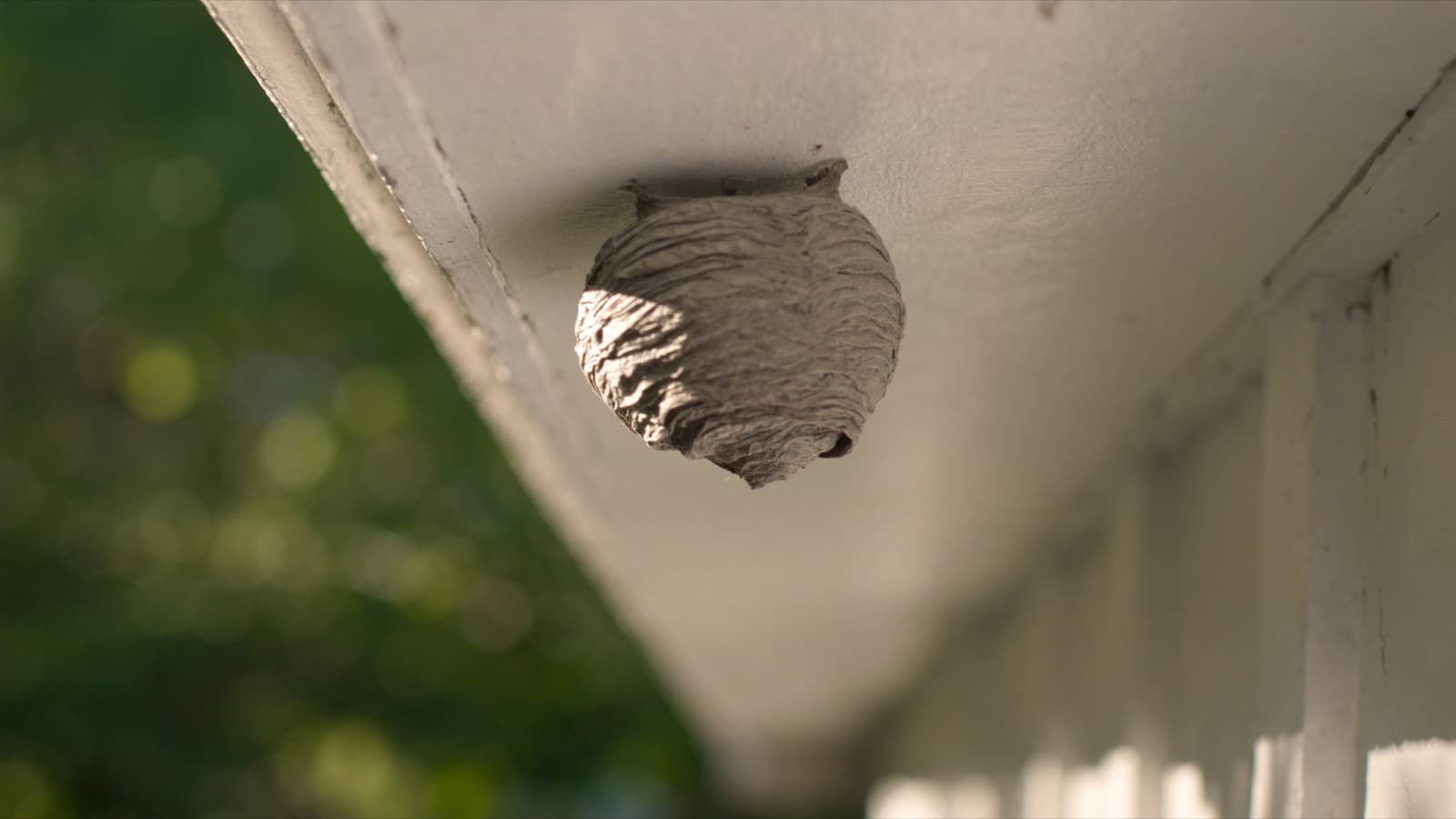
Should I Set Traps in Early Spring to Ward Off New Queens?
At a Glance
- The call: Spring queen traps do catch queens. Controlled research found that trapping did not reduce the number of workers later in the season — the popular claim overstates what the study actually found.
The short of it
Spring queen traps do catch queens. Controlled research found that trapping did not reduce the number of workers later in the season — the popular claim overstates what the study actually found.
The remedy, graded honestly
A useless remedy is harmless — this is a fact-check, not a safety warning.
Setting traps in early spring specifically to catch overwintered queens before they found new colonies
This is the one reversal on this hub worth being direct about, because it contradicts a widely repeated, heavily marketed claim. Oregon State University Extension's EM 9211, summarizing a California field study, states it plainly: traps containing the standard lure "effectively attract queen and worker yellowjackets," but "the number of trapped queens did not reduce the number of yellowjacket workers trapped in late summer." A separate multi-year suppression study reached the same conclusion, finding queen trapping had no measurable effect on the resulting number of workers, with weather explaining the year-to-year swings instead. The mechanism problem is scale: far more queens disperse and found colonies each spring than any homeowner trap array can realistically intercept, so surviving queens plus a favorable spring are enough to regenerate normal colony density regardless of how many were caught. For New Hampshire specifically, this compounds with a separate mismatch — UNH Cooperative Extension advises against relying on yellowjacket traps at all, since the common commercial lure is tuned to the western yellowjacket rather than the eastern yellowjacket (Vespula maculifrons) that Cornell IPM identifies as the common ground-nesting yellowjacket across the Northeast.
The logic feels airtight: fewer queens in spring should mean fewer colonies in summer, and each trapped queen is one less colony that could have formed. It's intuitive enough that it's heavily marketed, and a homeowner who traps queens and has a quieter summer credits the trapping — without a side-by-side comparison to a yard that didn't trap at all, which is exactly what the controlled studies provided and found no difference.
Focus effort on the things with real evidence behind them: sealing entry points and reducing attractive nesting surfaces in spring closes off where a queen can build in the first place, and treating an actual located nest during the season is what ends a specific colony. Neither of those depends on catching queens before they've even chosen a site.
Harmless, not dangerous — this is a “doesn’t work,” not a safety warning. The danger call is the router’s job, not this one’s.
The full picture
What the controlled research actually found
Oregon State University Extension's EM 9211 summarizes a California study directly: spring queen traps do attract and catch queen yellowjackets, but the number of queens caught did not translate into fewer workers later in the summer. A separate multi-year suppression study came to the same conclusion, attributing low worker counts in some years to severe late-spring weather rather than to trapping effort. Both findings point the same direction — the trap works as a trap, but not as population control at the scale that matters.
Why trapping queens doesn't translate into fewer summer wasps
The population isn't limited by how many queens a homeowner can intercept. Far more mated queens disperse and attempt to found colonies each spring than any trap array realistically reaches, so the surviving queens — plus a favorable spring — are enough to produce a normal season's worth of colonies regardless. In southern New Hampshire (Manchester, USDA hardiness zone 5b–6a), those overwintered queens emerge and start scouting on the warm days of April into May, well before homeowner traps could meaningfully thin them. On top of that, the standard commercial lure used in these traps, heptyl butyrate, is tuned to the western yellowjacket; NC State Extension notes it performs worse against eastern and southern yellowjackets, and Cornell IPM identifies the eastern yellowjacket (Vespula maculifrons) as the common ground-nesting yellowjacket of the Northeast — neither the species the lure was built for, which only compounds the mismatch here.
What to do with that effort instead
Since spring trapping doesn't move the needle on summer populations, effort is better spent sealing likely entry points and reducing attractive nesting surfaces before queens start scouting, and locating and treating specific nests once they're active during the season — see /top-diy-methods for what's realistic species by species. Both address the actual sources of the problem rather than intercepting queens before the fact.
The honest line — Spring queen traps do catch queens. Controlled research found that trapping did not reduce the number of workers later in the season — the popular claim overstates what the study actually found.
Key takeaways
- Controlled research found spring queen trapping does not reduce the number of workers later in the season, despite effectively catching queens.
- The population isn't queen-limited at homeowner-trapping scale — enough queens escape and survive to regenerate normal colony density.
- This directly contradicts the heavily marketed "trap queens in spring to prevent a summer problem" claim.
- The common commercial trap lure is additionally mismatched to the eastern yellowjacket (Vespula maculifrons), the yellowjacket common in New Hampshire and the Northeast.
- Sealing entry points and treating nests once they're active have real evidence behind them; queen trapping does not.
Where to go next
Identification, sting treatment, per-species DIY viability, and nest-reuse facts each live on the hub that owns them. We route, we don't rebuild.
DIY viability by species
The router's source of truth — which nests are DIY-able.
Go thereIdentify the species
Tell the wasps, hornets, and lookalikes apart.
Go thereSting & allergy treatment
What to do about a sting or a reaction.
Go thereNest reuse & winter
The colony dies at frost; the nest is never reused.
Go there
Trapped queens in spring but still have wasps in summer?
That's expected, not a sign you did it wrong. Anchor can find and treat the actual nest once it's active.
Frequently asked questions
Sources(4)
- [1]Oregon State University Extension EM 9211 — Protecting Honey Bees from Yellowjacket Wasps
California study: spring queen trapping did not reduce late-summer worker numbers
extensionverified 2026-07-17 - [2]NC State Extension — Yellowjackets in the Landscape
Heptyl butyrate lure mismatch for eastern/southern yellowjacket species
extensionverified 2026-07-17 - [3]UNH Cooperative Extension — Controlling Wasps, Bees and Hornets Around Your Home
Caution against relying on yellowjacket traps for northeastern U.S. species
extensionverified 2026-07-17 - [4]Cornell IPM — Yellowjackets and baldfaced hornets
Eastern yellowjacket (Vespula maculifrons) as the common Northeast/NH ground-nesting species
extensionverified 2026-07-17
Written & reviewed by
VerifiedDaniel Brady
NH-Licensed Pesticide Applicator · License #782664 (NHDAMF, RSA 430)
Daniel Brady is the New Hampshire–licensed applicator behind Anchor Pest Services, a family-owned pest control company serving the Manchester area since 2017.
Last updated 2026-07-17
When trapping isn't the answer
The colony that formed anyway still needs a real plan
If wasps show up despite spring trapping, a licensed technician can locate and treat the nest directly.
- Family-owned since 2017
- NH License #782664, category F1 (RSA 430, NHDAMF)
- Member, NEPMA