
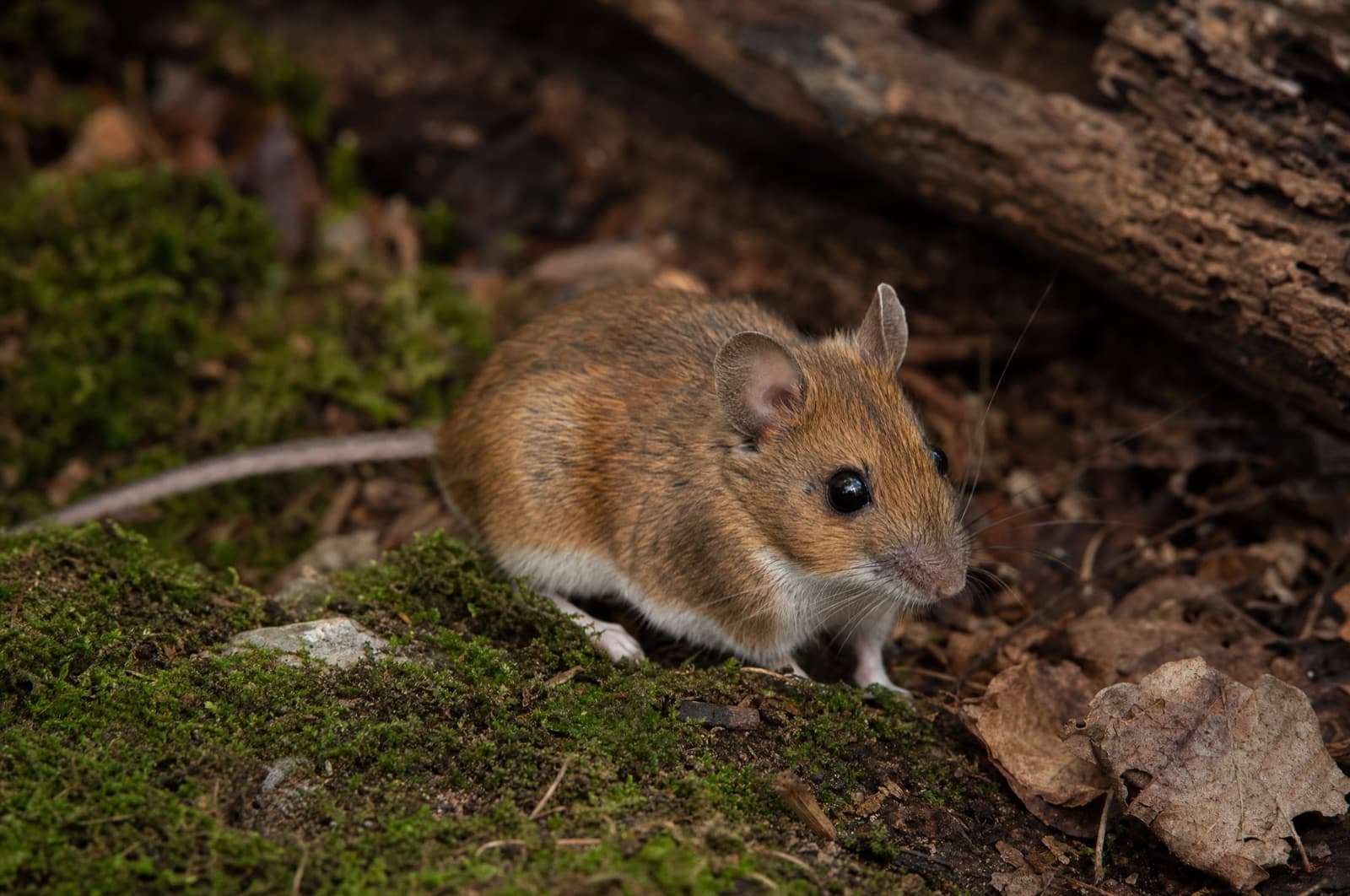
What Attracts White-footed Mice to Your House?
At a glance
- Short answer: Food, warmth, and shelter — nothing about white-footed mice is special
- The verdict: The usual four
The attractant verdict
Four possible answers to why this species turned up. Three stay unlit — and that's the argument: the honest answer could have been any of them, and for this species it wasn't.
This is the most common answer in this hub — an answer, not a shortfall.
Food, warmth, and shelter — nothing about white-footed mice is special
Our own old page said the white-footed mouse is drawn in "primarily in search of food, shelter, and warmth" — accurate, and worth saying plainly rather than treating it as a distinctive discovery.
A warm, dry, hidden nest site, plus accessible food nearby. In the wild, this species nests in hollow logs, stumps, brush piles, and ground burrows in forests and brushy field edges, so a woodpile stacked against a house, a shed, or a gap into a wall void is simply a version of the same habitat closer to a structure.
“Food, warmth, and shelter — the same things that attract almost everything. Nothing about a white-footed mouse is special, and that's the honest answer.”
Why it's here, in full
Why there's no special story here
White-footed mice are the most common small rodent in New Hampshire's mixed forests and brushy field edges, where they naturally nest in hollow logs, stumps, and brush piles. A woodpile stacked near a house, a shed, or a gap into a wall or attic void offers essentially the same conditions — warm, dry, and hidden — just closer to a structure than the woods themselves.
That's the whole explanation: proximity to their natural wooded habitat, plus the same food and warmth needs that explain most rodents on this list. Because this species is one of the eastern reservoirs for a hantavirus strain, it's also worth avoiding direct contact with droppings or nesting material, though that's a health-handling detail rather than a reason it showed up in the first place. What specific food draws mice most is covered on our mice and rats FAQ, not here.
How to tell it's actually this species
Real signs only — a species with four honest tells gets four, and stops. Where a sign is weak on its own, we say so.
Small tracks in soft soil or dust near a woodpile, shed, or foundation gap
A nest of shredded leaves, grass, or fibrous material tucked into a hidden void or woodpile
Chewed plant material or seed caches stored in a hidden spot
Droppings scattered along a travel path
Could be something else: Droppings that common appear with other small rodents and aren't diagnostic on their own without other signs present.
Want white-footed mouse gone?
This page only answers why it's here. Every removal step for this exact species — what to seal, what to set, what actually works — lives on its own dedicated guide.
Two questions, two pages
Here: why it turned up at all — the honest answer, blame removed.
There: the step-by-step removal guide for this exact species.
Key takeaways
- White-footed mice are drawn by food, warmth, and shelter, matching their natural habitat in logs, stumps, and brush piles.
- A woodpile or shed near a wooded edge offers a close substitute for their natural nest sites.
- This species is an eastern reservoir for a hantavirus strain, so avoiding direct contact with droppings is worth knowing.
- What food specifically draws mice is answered on our mice and rats FAQ, not here.
Want it gone, not just explained?
This page is about why white-footed mice show up. Removal is covered at /top-diy-methods/white-footed-mouse.
Frequently asked
Sources(2)
- [1]Maine Department of Inland Fisheries and Wildlife — White-footed Mouse
White-footed mice nest in warm, dry sites such as logs, stumps, and brush piles in wooded and brushy habitat
stateverified 2026-07-17 - [2]CDC — About Hantavirus
The white-footed mouse is a primary eastern U.S. host for hantavirus strains that can affect people
govverified 2026-07-17
Written & reviewed by
VerifiedDaniel Brady
NH-Licensed Pesticide Applicator · License #782664 (NHDAMF, RSA 430)
Daniel Brady is the New Hampshire–licensed applicator behind Anchor Pest Services, a family-owned pest control company serving the Manchester area since 2017.
Last updated Jul 2026
Food, warmth, and shelter — nothing unusual here
If mice are already active, we handle the rest
Same-day inspections across southern and central New Hampshire.
- Family-owned in Manchester since 2017
- NH commercial applicator #782664, category F1
- We will tell you when the answer is do nothing
NH License #782664 · No obligation · We answer in person