
Skip to content
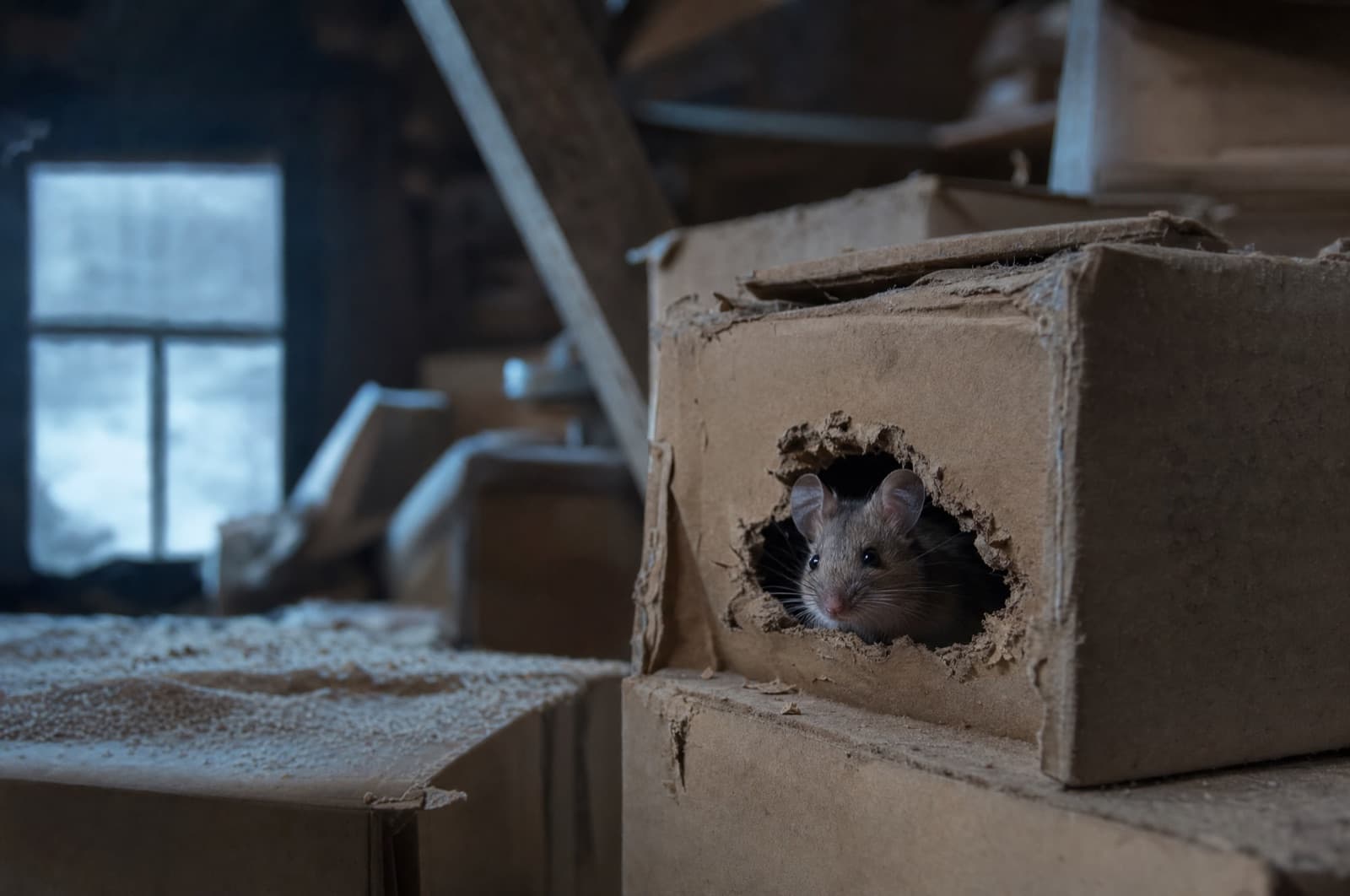
A house mouse in a gnawed cardboard storage box in a cold New Hampshire attic
Daniel Brady · NH-Licensed Pesticide Applicator · License #782664
Reviewed by Daniel Brady

Should I treat lawn perimeter to reduce winter pest entry?

That's an upsell — right treatment, wrong season
This is the clearest upsell in the whole cluster.A perimeter or lawn insecticide can measurably reduce overwintering-pest entry — but only when applied in late September or early October, before insects aggregate on sunny walls and slip into wall voids for the winter. Once real winter cold arrives, the target insects are already inside your walls or dormant, and residual insecticides break down fast in sunlight regardless. A 'winter' perimeter treatment marketed as pest prevention at that point is largely selling a service with no live target left to treat.

At a glance

  • Verdict: That's an upsell
  • Who does it: A pest pro
  • Effort: A service visit
  • Payoff: None
The honest answer

The short of it

The verdict
That's an upsell — right treatment, wrong season

A winter lawn-perimeter spray is the flagship upsell of this entire hub: by the time it's truly cold outside, there's almost nothing left outdoors for it to kill.

The one question under all of them

Is this actually worth doing?

Every winter job lands somewhere on one honest scale — from what genuinely matters to what our own industry is selling you. Here is where this one lands.

The job being graded
That's an upsell

A professional exterior residual insecticide band applied around the foundation or lawn edge, marketed or scheduled as a winter treatment

The scale
Who does it
A pest pro
Effort
A service visit
Payoff
None
What it actually does

When timed correctly — before insects enter the structure — a perimeter treatment reliably kills or repels overwintering pests like boxelder bugs and Asian lady beetles while they're staging on sunny exterior walls, which is real, documented pest control. University of Kentucky Extension states plainly that barrier treatments "should be applied before the beetles enter buildings," and that "during late winter or early spring, barrier treatments are ineffective since the beetles gained entry the previous autumn." Once it's fully winter, the target pests aren't outside on the wall anymore — they're already inside, sheltering in wall voids, and a treatment on the ground outside them does nothing. Penn State Extension adds that residual insecticides are broken down by sunlight and may not remain effective much beyond several days to a week, so even a treatment applied on a relatively mild winter day has a short window before it's no longer active.

What's being sold

A recurring 'winter perimeter' or 'winter lawn treatment' framed as stopping pest entry during the cold months.

Why it doesn't hold up

Extension consensus — University of Kentucky, West Virginia University, Penn State, and University of Minnesota all independently agree — is that these barrier treatments work only when applied before entry, in late summer or early fall. Once temperatures drop and pests are already indoors or dormant, spraying the exterior is ineffective, and any residual that does get applied breaks down rapidly in sunlight regardless of the season. A 'winter' version of this service is treating a wall the target pests have already gotten past.

Ask instead — word for word, on the phone

"For overwintering pests, what date do you apply the exterior treatment, and what's your evidence it still works after they've already entered the walls?" A straight answer will concede the treatment has to happen before frost, not during winter — and it's worth also asking any company, including us, "What's your NH applicator license number and category?" since that's the honest, verifiable credential behind any pest service, winter or otherwise.

The line

The perimeter spray is real medicine given at the wrong time of year — in a NH winter you're paying to treat a wall the bugs already got behind.

Our honest lane — including on us

This is where we implicate our own industry, including ourselves. The honest sell is a pre-frost exterior treatment — early October, before Manchester's typical October 19-29 first hard frost (NOAA) — combined with sealing, not a winter spray. If any pest company, Anchor included, offers to 'treat your lawn perimeter in January to stop winter pests,' that's paid busywork. Anchor's honest winter service is rodent exclusion, not a cold-weather lawn chemical application.

In depth

The full picture

01

The treatment is real. The timing is the problem.

It would be inaccurate to say perimeter treatments don't work — they do, under the right conditions. Extension entomologists agree that a properly timed barrier application, made before overwintering insects like boxelder bugs and Asian lady beetles start staging on sunny exterior walls, meaningfully reduces how many make it inside.

The issue isn't the chemistry. It's the calendar. "Winter pest entry" as a phrase suggests the problem is ongoing throughout the cold months, when in fact the entry event mostly already happened the previous fall. Treating in winter is treating after the fact.

02

Why a mid-winter application does almost nothing

University of Kentucky Extension is unambiguous: barrier treatments should be applied before beetles enter buildings, and by late winter or early spring, they're ineffective because entry already happened the previous autumn. That's not a hedge or a qualifier — it's a direct statement that the treatment has a narrow window, and winter is on the wrong side of it.

Even setting aside timing relative to insect behavior, there's a second, independent problem: Penn State Extension notes that residual insecticides break down under sunlight and may lose effectiveness within days to about a week. So even a treatment applied on an unusually mild winter day starts degrading almost immediately, on top of having no live target to reach in the first place.

03

What the honest version of this service looks like

The treatment this hub is describing as an upsell isn't inherently a scam — applied at the right time, it's legitimate, evidence-backed pest management. The honest version happens in late September or early October, ahead of Manchester's typical first hard frost, timed specifically to intercept insects before they stage on walls and slip into voids.

A 'winter' version of the same service, sold or scheduled after that window has passed, is selling the appearance of prevention without the mechanism that makes it work. That's the distinction worth asking about directly before agreeing to any perimeter treatment marketed around winter specifically.

Key takeaways
5 points
  • Perimeter treatments are demonstrably effective — but only when applied before insects enter buildings, in late September or early October.
  • University of Kentucky Extension states barrier treatments are ineffective by late winter/early spring, since entry already happened the previous fall.
  • Residual insecticides also degrade rapidly in sunlight, losing effectiveness within days to about a week regardless of season.
  • A 'winter lawn perimeter treatment' is largely selling a service with no live target left outdoors to treat.
  • Ask any company, including Anchor, what date they apply the treatment and what evidence supports efficacy after entry — a straight answer concedes it must happen before frost.
New Hampshire context

The right window for New Hampshire

Manchester's first hard frost typically lands October 19 to 29 (NOAA), which puts the genuinely effective window for a perimeter treatment in roughly mid-to-late September, well before that date — not in December or January when a 'winter special' might be marketed. By the time snow is on the ground, the overwintering insects this treatment targets are already inside wall voids, and no amount of lawn spraying reaches them there.

If you're considering a perimeter treatment, the honest question to ask is whether it's being scheduled for that pre-frost window or being sold as an ongoing winter service — the difference determines whether it does anything at all.

  • NH-licensed #782664

    Southern New Hampshire

  • Family-owned

    Since 2017

  • Honest routing

    Even when it isn’t us

We serve these communities

ManchesterNashuaConcordDerryBedfordSalemHudsonAmherst

Ask before you buy: what date, and what evidence?

If a 'winter perimeter treatment' can't answer that honestly, it's not treating anything left outdoors to treat.

Follow-up questions

Frequently asked

Sources & citations(5)
  1. University of Kentucky Entomology — EF416 Asian Lady Beetle Infestation of Structures

    Barrier treatments must be applied before beetles enter buildings; ineffective in late winter/early spring since entry already occurred

    extensionverified 2026-07-16
  2. West Virginia University Extension — Asian Lady Beetle

    Treatments should start before entry; once indoors, exterior treatments are ineffective

    extensionverified 2026-07-16
  3. Penn State Extension — Multicolored Asian Lady Beetle

    Residual insecticides are broken down by sunlight and may not remain effective much beyond several days to a week

    extensionverified 2026-07-16
  4. University of Minnesota Extension — Multicolored Asian Lady Beetles

    Apply barrier treatments in late September/early October, before entry; indoor spraying after entry is not effective

    extensionverified 2026-07-16
  5. NOAA — Manchester, NH freeze climatology

    Manchester first hard frost typically ~Oct 19-29 — the deadline for an effective pre-frost perimeter treatment

    govverified 2026-07-16

Written & reviewed by

Verified

Daniel Brady

NH-Licensed Pesticide Applicator · License #782664 (NHDAMF, RSA 430)

Daniel Brady is the New Hampshire–licensed applicator behind Anchor Pest Services, a family-owned pest control company serving the Manchester area since 2017.

Verify license

Last updated Jul 2026

Honest pest help for New Hampshire homes

We Won't Sell You a Perimeter Spray in January.

A winter lawn treatment has nothing left to treat once the target insects are already inside your walls — we'd rather tell you that than schedule the visit anyway. If you want the treatment that actually works, ask us about the pre-frost window, in September, before Manchester's first hard frost. Anchor's honest winter service is rodent exclusion, not a cold-weather perimeter spray. Family-owned since 2017, NH license #782664, serving Manchester, Nashua, Concord and nearby towns.

  • Honest advice — we'll tell you when a service is mistimed, including our own industry's offerings
  • NH-licensed applicators (#782664) — free inspection, same-day service
  • Rodent exclusion and correctly-timed exterior treatment across southern and central New Hampshire

NH License #782664 · No obligation · We answer in person