
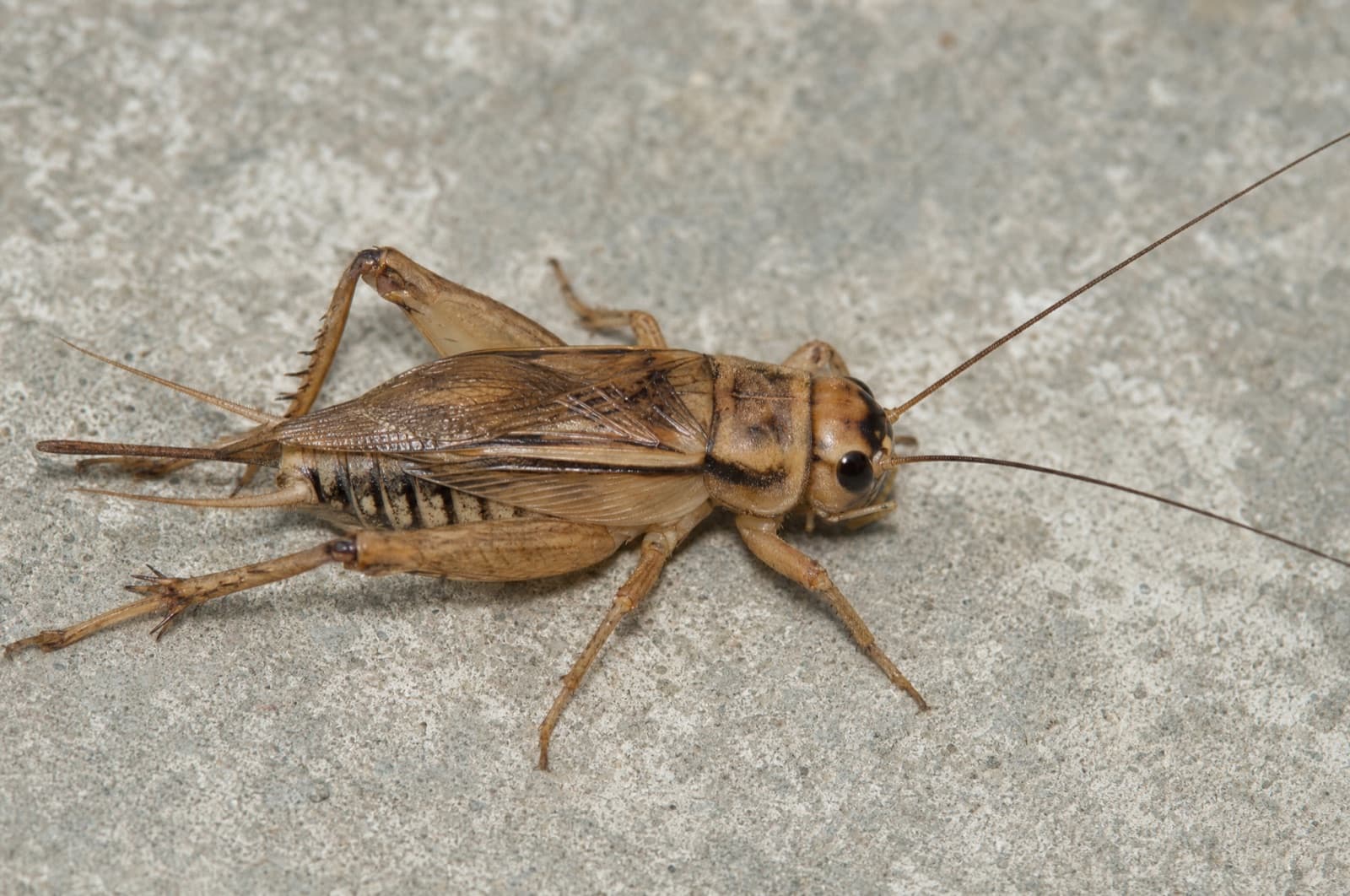
How To Get Rid Of Crickets During The Winter?

Don't wait - every day increases health risks and property damage. These aggressive rodents multiply rapidly and spread dangerous diseases.

Professional elimination is the ONLY safe and effective solution. DIY methods fail 90% of the time and can make the problem worse.

24 Hours

Average response time

100%

Satisfaction guarantee

Call now for same-day, eco-friendly pest control

With over 20 years of experience, Anchor Pest offers personalized, chemical-safe quarterly subscriptions, protecting homes and businesses across Manchester and surrounding counties with ongoing peace of mind.

(603) 785-0118

Contact Us

How Do Crickets Survive During The Winter?

Most crickets don’t survive winter as adults. The species survives mainly through cold-hardy eggs laid in late summer or fall that pause development (diapause) until spring. Some species persist as nymphs or a few adults hidden in insulated places. They boost cold tolerance with “antifreeze” chemicals, slow their metabolism, and choose dry, protected spots that stay just above lethal temperatures. House crickets may live year-round indoors if it’s heated.


How crickets cope with cold


  • Diapause: a built-in pause in growth triggered by shortening day length; it ends after enough winter chill and spring warmth.
  • Antifreeze compounds: sugars and alcohols (like glycerol, trehalose) lower the freezing point and stabilize cell membranes.
  • Supercooling and slight dehydration: fluids stay liquid below 0°C; less water means fewer sites for ice crystals to start.
  • Metabolic slowdown: heart rate and activity drop, conserving energy stored as fat.
  • Acclimation: gradual autumn cooling increases antifreeze levels and tolerance.


Winter shelters you’d find


  • Soil cracks and just below the surface; under leaf litter, mulch, or turf that insulates.
  • Under bark, in logs, rock crevices, and abandoned burrows that buffer wind and extremes.
  • Subnivean space: the thin air layer beneath snow that stays relatively warm.
  • Hollow plant stems and compost piles that retain heat and dryness.
  • Human structures: basements, crawl spaces, garages; house crickets can breed indoors all winter.


Spring and the life cycle


As soils warm, eggs hatch into nymphs that molt repeatedly into adults by late spring or summer. In most species there’s one generation per year; adults die with fall frosts.

Protect Your Family Today

Professional pest control eliminates troubles immediately. Our safe, effective treatments protect your loved ones from dangerous diseases.

Signs Of Crickets During The Winter


Key Signs of Crickets During Winter


Even in winter, crickets can live indoors where it’s warm. Look for these signs, especially at night:

  • Faint, intermittent chirps near heaters, boilers, water heaters, or electronics (only males chirp).
  • Small black droppings that look like coarse pepper or coffee grounds along baseboards, in corners, under appliances, and on shelves.
  • Irregular chewing on fabrics (wool, cotton, silk) and cardboard—ragged edges rather than neat round holes.
  • Live or dead crickets near warm spots, utility rooms, or window wells; shed legs or wings left behind.
  • Activity caught on sticky (glue) traps placed along walls—especially where you’ve seen droppings.


Where and How to Check


  • Warm/damp places: furnace rooms, laundry rooms, bathrooms, under refrigerators and dishwashers, near sump pumps.
  • Dark clutter: closets, storage rooms, garages with cardboard boxes stacked on the floor.
  • Entry points: gaps under doors, around utility lines, floor drains, basement windows.
  • Method: inspect at night with a flashlight along baseboards; place glue boards every 6–10 feet, flush to walls and behind appliances.


Species Clues


  • House crickets (yellow-brown with three dark head bands) often chirp indoors and are drawn to warmth.
  • Camel crickets (hump-backed, long legs) are silent; common in cool, damp basements and garages; they jump suddenly when disturbed.
  • Field crickets are mostly outdoor; winter finds indoors are usually stragglers or dead adults near entry points.


Quick Actions to Confirm and Reduce


  • Run dehumidifiers, fix leaks, and seal gaps under doors and around utilities.
  • Declutter and elevate cardboard; store items in sealed plastic bins.
  • Vacuum droppings and crumbs; refresh glue traps weekly to track activity.

How To Get Rid Of Crickets During The Winter?

Stop winter crickets by sealing entry gaps, lowering indoor humidity, removing outdoor lures, trapping/vacuuming indoors, and spot-treating cracks with desiccant dust or bait; repeat weekly for a month.


Find and Block Entry


  • Install door sweeps; weatherstrip doors and windows. Seal gaps larger than 1/8 inch with exterior-grade caulk or foam.
  • Repair screens; add mesh over foundation vents; seal around pipes, cables, and dryer vents.
  • Close basement sill and garage gaps; threshold seals on garage doors.


Dry and Remove Shelter


  • Keep humidity under 50% using dehumidifiers; fix leaks, improve ventilation in basements and crawl spaces.
  • Reduce clutter; store items in sealed plastic bins, not cardboard.
  • Elevate and move firewood and debris at least 20 feet from the house.


Reduce Outdoor Attraction


  • Swap exterior bulbs to yellow/amber “bug” LEDs; use motion sensors.
  • Keep grass short; remove leaf litter and mulch touching the foundation; create an 18–24 inch gravel strip.


Catch and Kill Indoors


  • Place glue boards along baseboards and around furnaces, water heaters, and laundry areas; check weekly and discard.
  • Vacuum crickets and eggs; empty vacuum outside.
  • Lightly dust cracks and voids with diatomaceous earth or silica aerogel; place cricket baits in dark, warm areas. Avoid broad indoor sprays.


Optional Perimeter Treatment


  • On mild days, apply a labeled residual insecticide (e.g., bifenthrin or lambda-cyhalothrin) 2–3 feet up and out around the foundation, doors, and thresholds. Follow the label; keep away from wells and drains.

Spotted Any of These Signs?

Don't risk your family's health. Our certified technicians can be at your property within 24 hours.

Professional Solution That Actually Works

Our certified technicians eliminate pests infestations completely and permanently.
Here's what you get:

🔍

Immediate Assessment

Trained experts identify entry points and nesting areas

🛡️

Safe Treatment

Pet and family-friendly methods used

🎯

Complete Elimination

Targets entire colony, not just visible insects or rodents

📋

Prevention Plan

Long-term exclusion strategies

🧽

Health Protection

Proper cleanup and sanitization

Guarantee

Service warranty and follow-up visits

Our 3-Step Elimination Process

🔍

1. Immediate Inspection

Complete property assessment within 24 hours

🎯

2. Targeted Elimination

Safe, effective treatment of entire colony

🛡️

3. Prevention Plan

Long-term exclusion and monitoring

Ready to Solve This Problem Forever?

Join thousands of satisfied customers who chose professional pest control.
100% satisfaction guarantee.

Quarterly Subscription Plans • Licensed & Insured • Same-Day Start • 100% Satisfaction Guarantee