
How To Get Rid Of Fleas During The Winter?

Don't wait - every day increases health risks and property damage. These aggressive rodents multiply rapidly and spread dangerous diseases.

Professional elimination is the ONLY safe and effective solution. DIY methods fail 90% of the time and can make the problem worse.

24 Hours

Average response time

100%

Satisfaction guarantee

Call now for same-day, eco-friendly pest control

With over 20 years of experience, Anchor Pest offers personalized, chemical-safe quarterly subscriptions, protecting homes and businesses across Manchester and surrounding counties with ongoing peace of mind.

(603) 785-0118

Contact Us

How Do Fleas Survive During The Winter?


The short answer


Fleas survive winter by staying warm on animals and by “pausing” inside protective cocoons in sheltered places. Indoors, heating keeps them active year‑round in carpets, pet bedding, and floor cracks. Outdoors, most wait out the cold as pupae (cocoons) hidden in leaf litter, wildlife dens, crawl spaces, and garages until warmer days trigger emergence.


How they do it


  • Adults on animals: Once an adult flea finds a warm-blooded host (cats, dogs, wildlife), it feeds daily and can live weeks to months, laying eggs that fall into the environment.
  • Pupae in cocoons: After the larval stage, fleas spin a sticky cocoon. Inside, they can enter diapause (a pause in development) for several months, resisting cold, drying, and many insecticides.
  • Eggs and larvae in sheltered spots: Eggs and larvae are fragile in freezing, but survive in insulated, humid microclimates—carpet fibers, pet bedding, under furniture, leaf piles, barns, porches, and animal nests.
  • Indoor microclimates: Central heating and household humidity let all stages continue, so infestations don’t “die off” in winter inside homes.


What wakes them up


  • Heat: Prefer about 68–90°F (20–32°C).
  • Vibration and movement: Footsteps or pets walking nearby.
  • Carbon dioxide: Your or your pet’s breath signals a host is present.
  • Rising humidity and day length: Common in late winter/early spring, triggering mass emergence.


Why spring “explosions” happen


Overwintered pupae hatch all at once when conditions improve, wildlife moves more, and pets go outdoors more—making fleas seem to appear suddenly after a quiet winter.

Protect Your Family Today

Professional pest control eliminates troubles immediately. Our safe, effective treatments protect your loved ones from dangerous diseases.

Signs Of Fleas During The Winter

Fleas do persist in winter, especially indoors. Key signs are an itchy pet (scratching, biting, hair loss), “flea dirt” (black pepper-like specks that turn red when wet), tiny brown jumping insects, and itchy bites on your ankles or waist in small clusters.


What you’ll see on pets


  • Frequent scratching, nibbling, or head shaking; restlessness at night.
  • Thinning hair or sore “hot spots,” especially at the base of the tail, neck, belly, groin, and armpits.
  • Flea dirt: tiny black specks on skin/comb; smear on a damp tissue turns reddish (digested blood).
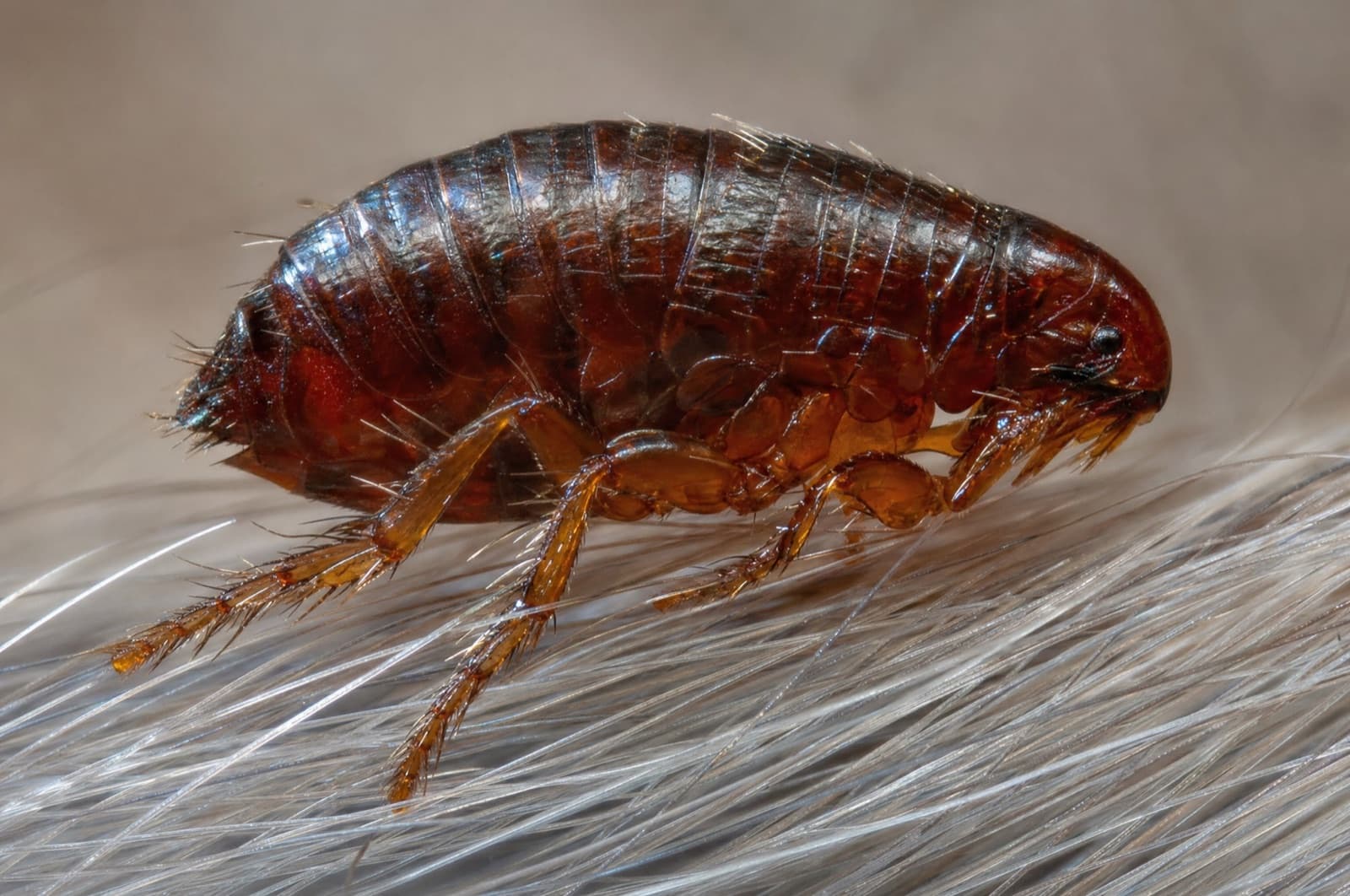
  • Live fleas: small, flat, reddish-brown, fast, and jumping.


What you’ll see on people


  • Itchy red bumps (often 2–3 together) on ankles, lower legs, waistline, or where clothing is snug.
  • Bites appear quickly after sitting on carpets/sofas or near pet bedding.


What you’ll see in your home


  • Black specks on pet beds, seams of sofas, throw blankets, and along baseboards.
  • Sudden “burst” of fleas after turning on heat or after vacuuming (pupae hatching).
  • Activity in warm, humid spots: laundry rooms, carpets, rugs, car interiors, garages.


Simple ways to confirm


  • Flea comb your pet over white paper; look for fleas or flea dirt that reddens when damp.
  • White sock test: walk on carpet; fleas jump onto socks.
  • Lay a white towel where your pet sleeps overnight; check for specks or live fleas in the morning.


Why winter fleas fool people


  • Indoor heating keeps eggs and larvae developing; pupae can “pause” for weeks then hatch when they sense warmth and vibration.

How To Get Rid Of Fleas During The Winter?


How to get rid of fleas in winter


Fleas stay active indoors year‑round. To end them: treat every pet with a vet‑approved flea killer and growth regulator, deep‑clean your home, treat soft surfaces with an insect growth regulator (IGR), and repeat until all life stages are gone. Expect 3–8 weeks for complete clearance; keep pets on monthly prevention to stop reinfestation.


Treat every pet


  • Use vet‑approved oral/topical products (e.g., isoxazolines like fluralaner/sarolaner; spinosad; fipronil). Treat all pets the same day.
  • Choose products that kill adults fast and include an IGR or pair with an IGR spray for the home.
  • Flea‑comb daily; dip comb in soapy water to drown fleas.
  • Do not skip monthly doses through winter.


De‑flea your home


  • Vacuum daily for 7–10 days; focus carpets, rugs, pet beds, under furniture, baseboards, sofa seams. Empty vacuum into a sealed bag outside.
  • Wash pet bedding, throws, and linens hot (≥60°C/140°F) and hot‑dry.
  • Apply a home IGR spray (methoprene or pyriproxyfen) to carpets, cracks, and furniture; avoid using foggers alone.
  • Steam clean carpets/upholstery, or lightly apply food‑grade diatomaceous earth, then vacuum after 24–48 hours.
  • Dehumidify to under 50% RH; larvae struggle in dry air. Treat cars and pet carriers.


Timing and follow‑up


  • Pupae in cocoons can survive weeks; bites may continue 2–4 weeks.
  • Re‑treat the environment in 14 days if you still see fleas.
  • Maintain prevention for at least 3 months.


Safety


  • Ask your vet for age/weight‑safe products; never use dog meds on cats.
  • Keep kids and pets off treated areas until fully dry.
  • Avoid essential oils on pets (especially cats). Call a pro for heavy infestations.

Spotted Any of These Signs?

Don't risk your family's health. Our certified technicians can be at your property within 24 hours.

Professional Solution That Actually Works

Our certified technicians eliminate pests infestations completely and permanently.
Here's what you get:

🔍

Immediate Assessment

Trained experts identify entry points and nesting areas

🛡️

Safe Treatment

Pet and family-friendly methods used

🎯

Complete Elimination

Targets entire colony, not just visible insects or rodents

📋

Prevention Plan

Long-term exclusion strategies

🧽

Health Protection

Proper cleanup and sanitization

Guarantee

Service warranty and follow-up visits

Our 3-Step Elimination Process

🔍

1. Immediate Inspection

Complete property assessment within 24 hours

🎯

2. Targeted Elimination

Safe, effective treatment of entire colony

🛡️

3. Prevention Plan

Long-term exclusion and monitoring

Ready to Solve This Problem Forever?

Join thousands of satisfied customers who chose professional pest control.
100% satisfaction guarantee.

Quarterly Subscription Plans • Licensed & Insured • Same-Day Start • 100% Satisfaction Guarantee