
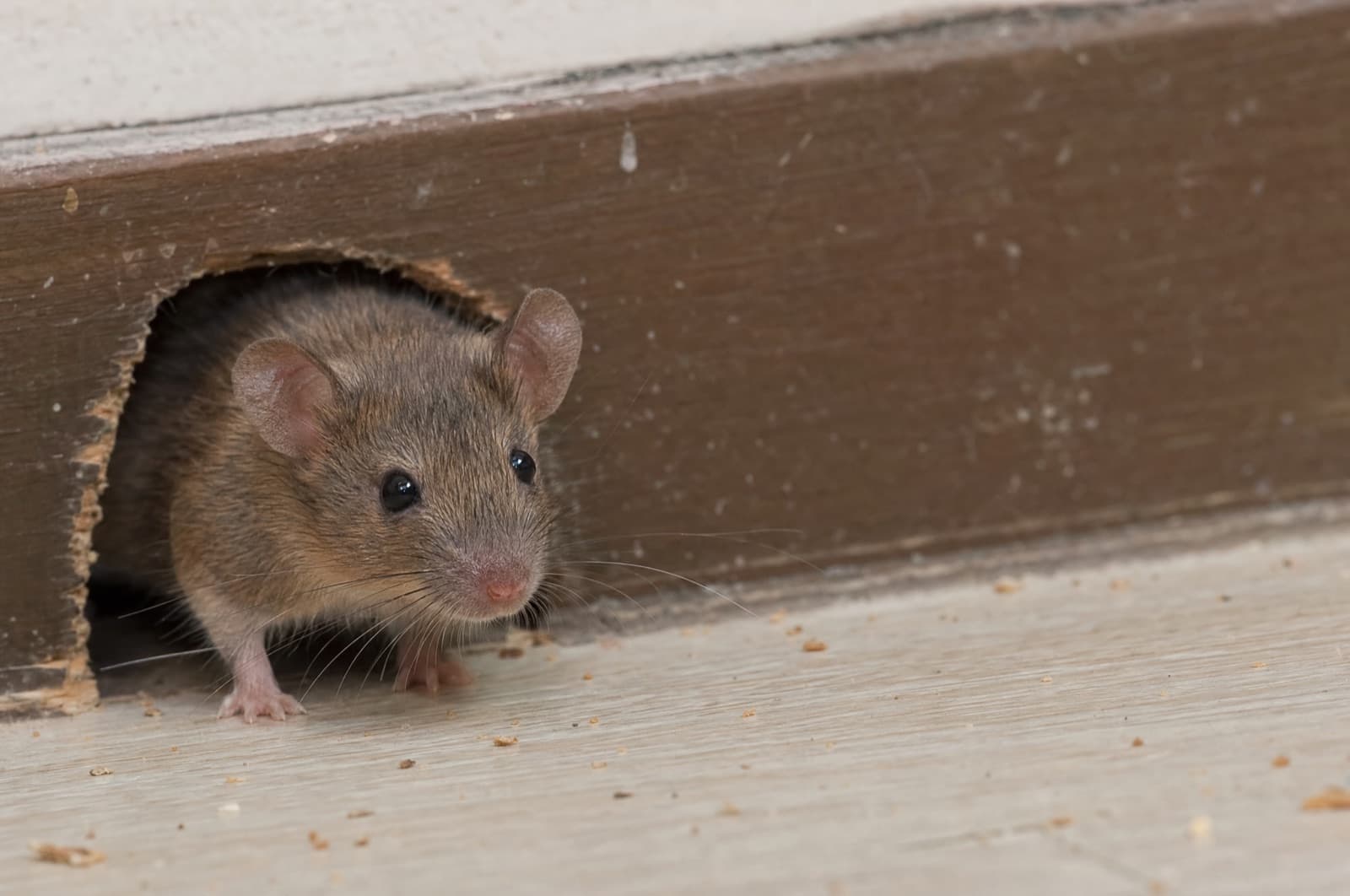
How To Get Rid Of Mice During The Winter?

Don't wait - every day increases health risks and property damage. These aggressive rodents multiply rapidly and spread dangerous diseases.

Professional elimination is the ONLY safe and effective solution. DIY methods fail 90% of the time and can make the problem worse.

24 Hours

Average response time

100%

Satisfaction guarantee

Call now for same-day, eco-friendly pest control

With over 20 years of experience, Anchor Pest offers personalized, chemical-safe quarterly subscriptions, protecting homes and businesses across Manchester and surrounding counties with ongoing peace of mind.

(603) 785-0118

Contact Us

How Do Mice Survive During The Winter?


How Do Mice Survive Winter?


Mice do not hibernate. They stay active, find warmer shelter (often in buildings), build tight, insulated nests, store food, and share body heat. Their fast metabolism and special heat-making fat help them keep warm even in freezing weather.


How It Works, Step by Step


  • Shelter: They move into houses, sheds, garages, woodpiles, stone walls, or burrows. Outside, they use “subnivean” spaces (air pockets under the snow) that stay near freezing instead of brutal windchill.
  • Nesting: They shred paper, fabric, grass, and leaves to make softball-sized nests with one entrance. Several mice may share a nest to pool warmth.
  • Food Caches: In fall they stash seeds and nuts. All winter they raid pantries, pet food, bird seed, and trash. They focus on high-calorie foods to fuel heat production.
  • Keeping Warm: They have a high metabolic rate, shiver to make heat, and use brown fat (a special tissue that burns energy to create heat). Staying in tunnels and tight spaces reduces heat loss.
  • Activity Patterns: They take short, hidden trips for food, mostly at night, hugging walls and cover to avoid predators and wind.
  • Breeding: Outdoors it slows in deep cold; indoors with heat and food, breeding continues year-round.
  • Water: They get most water from food, condensation, or snow when outside, so they rarely need open water.
  • Risks: Many still die from cold, hunger, or predators (owls, foxes, cats), but frequent litters keep populations stable.

Protect Your Family Today

Professional pest control eliminates troubles immediately. Our safe, effective treatments protect your loved ones from dangerous diseases.

Signs Of Mice During The Winter

The most reliable winter signs of mice are small rice-shaped droppings (dark, 1/8–1/4 inch), fresh gnaw marks on wood or plastic, a faint urine/ammonia smell, greasy rub marks along baseboards, rustling or scratching at night, shredded nesting material, and tiny tracks or tail lines in dusty areas.


What You’ll Notice Indoors


  • Droppings: Pinhead-to-rice size, pointed ends. Fresh are moist and dark; old are gray and crumbly. Often found under sinks, inside cabinets, along walls, and near food.
  • Gnaw marks: Clean light-colored grooves (1–2 mm wide) on wood, plastic bins, wiring, corners of boxes; edges darken with age.
  • Odor: Musty, ammonia-like smell strongest in enclosed spots (pantry corners, behind stove, utility closets).
  • Rub marks: Dark, greasy smears about 1/4 inch high along baseboards, pipe openings, and entry gaps from repeated body contact.
  • Noises: Light scratching, scurrying, or chewing 30–60 minutes after dusk and before dawn, in walls, ceilings, under appliances.
  • Nests: Loosely packed shreds of paper, fabric, insulation, pet hair in warm hidden places (behind refrigerators, under water heaters, attic corners).
  • Food damage: Small chewed openings in cereal, pet food, and seed bags; scattered kibble or seed shells nearby.
  • Tracks: Tiny footprints and a thin tail line visible in dust, ash, or flour.
  • Pet alerts: Cats or dogs staring at walls/appliances, sniffing intensely, or pacing at night.
  • Cold-air entry clues: Drafty gaps the width of a pencil (about 1/4 inch) near doors, pipes, or utility lines indicate possible mouse access.


Quick Ways To Confirm In 24 Hours


  • Sprinkle a thin line of flour or cocoa along wall edges; look for new tracks by morning.
  • Use a UV flashlight; mouse urine fluoresces yellow-green on floors and baseboards.
  • Place a dab of peanut butter on an index card along a suspected route; check for nibble marks, droppings, or moved card overnight.

How To Get Rid Of Mice During The Winter?


Quick, Effective Winter Mouse Removal


Seal every opening 1/4 inch or larger, remove food and clutter, and deploy many snap traps along walls and in garages/attics. Pre-bait traps (food only) 1–2 nights, then set. Check daily, clean safely, and continue for 2 weeks after the last sign. Avoid indoor poisons. Call a pro if activity doesn’t drop within 7–10 days.


Seal Entries (Winter Focus)


  • Inspect where you see daylight: garage door bottoms, door thresholds, and warped weatherstripping.
  • Check utility lines and pipes (gas, AC, cable), dryer and furnace vents, sill plate/foundation cracks, roofline/soffits, chimney.
  • Track snow prints to likely holes.
  • Seal with copper/steel mesh packed tight plus exterior-grade sealant; cover larger gaps with 1/4" hardware cloth.
  • Install metal door sweeps; replace weatherstripping. Expanding foam alone is not chew-proof.


Trap Correctly (Fast Knockdown)


  • Use quality snap traps (avoid glue traps). Place perpendicular to walls with the trigger against the wall.
  • Pre-bait with peanut butter + oats or chocolate for 1–2 nights; then arm traps.
  • Density: every 2–8 feet along runways; 2–3 traps per hotspot. Use covered stations if kids/pets are present.
  • Check daily; wear gloves. Bag carcasses, spray area with disinfectant, then wipe.


Remove Food, Water, Nesting


  • Store all food (including pet/bird seed) in sealed hard containers; feed pets then pick up bowls.
  • Nightly crumb sweep; secure trash with tight lids.
  • Fix leaks/condensation; run a dehumidifier if damp.
  • Declutter cardboard/fabric; elevate firewood 20 ft from the house and 5 inches off the ground.


Sanitize, Monitor, and When to Call a Pro


  • Ventilate, wear gloves/mask, spray droppings with disinfectant before wiping; never dry-sweep or vacuum droppings.
  • Monitor with flour/talc lines or sticky monitoring cards (non-lethal) to confirm no fresh tracks.
  • Call a pro for ongoing catches after 7–10 days, dead-animal odors in walls, chewed wiring, or if you can’t locate entry points.

Spotted Any of These Signs?

Don't risk your family's health. Our certified technicians can be at your property within 24 hours.

Professional Solution That Actually Works

Our certified technicians eliminate pests infestations completely and permanently.
Here's what you get:

🔍

Immediate Assessment

Trained experts identify entry points and nesting areas

🛡️

Safe Treatment

Pet and family-friendly methods used

🎯

Complete Elimination

Targets entire colony, not just visible insects or rodents

📋

Prevention Plan

Long-term exclusion strategies

🧽

Health Protection

Proper cleanup and sanitization

Guarantee

Service warranty and follow-up visits

Our 3-Step Elimination Process

🔍

1. Immediate Inspection

Complete property assessment within 24 hours

🎯

2. Targeted Elimination

Safe, effective treatment of entire colony

🛡️

3. Prevention Plan

Long-term exclusion and monitoring

Ready to Solve This Problem Forever?

Join thousands of satisfied customers who chose professional pest control.
100% satisfaction guarantee.

Quarterly Subscription Plans • Licensed & Insured • Same-Day Start • 100% Satisfaction Guarantee