
How To Get Rid Of Mites During The Winter?

Don't wait - every day increases health risks and property damage. These aggressive rodents multiply rapidly and spread dangerous diseases.

Professional elimination is the ONLY safe and effective solution. DIY methods fail 90% of the time and can make the problem worse.

24 Hours

Average response time

100%

Satisfaction guarantee

Call now for same-day, eco-friendly pest control

With over 20 years of experience, Anchor Pest offers personalized, chemical-safe quarterly subscriptions, protecting homes and businesses across Manchester and surrounding counties with ongoing peace of mind.

(603) 785-0118

Contact Us

How Do Mites Survive During The Winter?


Essential answer


Mites get through winter by slowing their bodies way down, hiding in protected places, making natural “antifreeze” to stop ice from forming inside them, and conserving water. Many pass the cold months as hardy eggs or as fertilized females. Indoor mites avoid cold altogether by living in warm, humid homes.


How mites survive cold


  • Microclimates: shelter in soil and leaf litter, under bark or rocks, inside bird/rodent nests, or in buildings.
  • Dormancy: enter diapause or quiescence when days shorten and temperatures drop; metabolism and development pause until spring cues return.
  • Antifreeze chemistry: build glycerol and special proteins that lower freezing points; cell membranes shift to stay flexible.
  • Moisture control: waxy cuticle and clustering reduce water loss; dust mites die in very dry air.
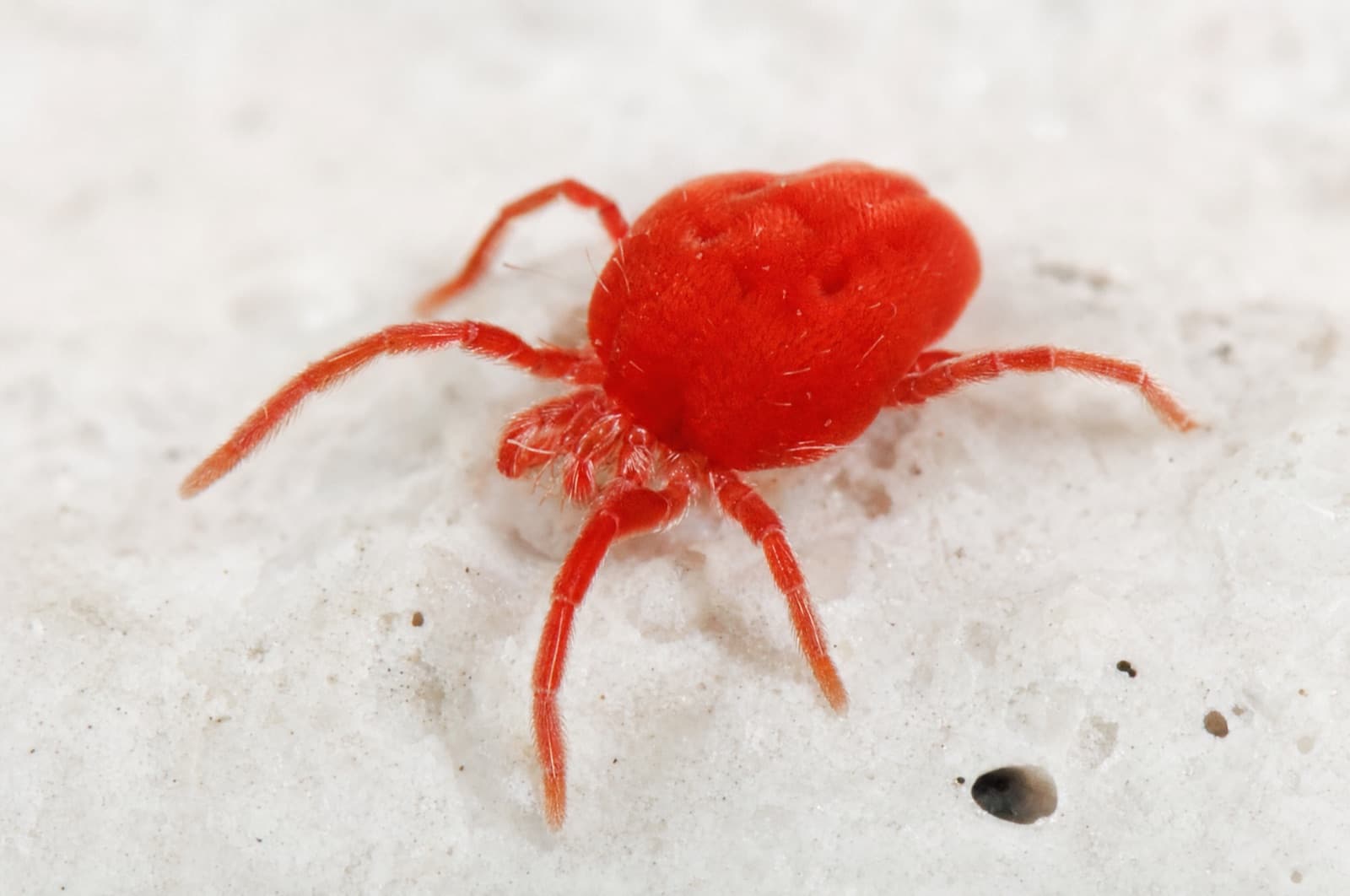
  • Life stage choice: some overwinter as eggs; others as red/orange diapausing females (common in spider mites).
  • Energy reserves: stored fats fuel months without feeding.
  • Host association: parasitic mites remain on hosts or in nests and can fast for weeks to months.


Everyday examples


  • House dust mites: persist year‑round in heated, humid bedrooms, especially mattresses and carpets; reproduction slows but continues.
  • Spider mites: fertilized females turn reddish and hide under bark/soil; resume feeding in spring.
  • Bird/rodent mites: overwinter in nests; may wander indoors if hosts leave.
  • Soil and leaf‑litter mites: insulated beneath snowpack and plant debris.
  • Storage mites: survive in damp grain, hay, or barns where humidity stays high.

Protect Your Family Today

Professional pest control eliminates troubles immediately. Our safe, effective treatments protect your loved ones from dangerous diseases.

Signs Of Mites During The Winter


Quick answer


In winter, mites show up in different ways: dust mites trigger allergy-like symptoms (not bites); bird or rodent mites cause sudden pinprick bites and tiny moving specks on walls after birds/rodents leave nests; scabies causes intense nighttime itching and thin “burrow” lines on skin; plant (spider) mites leave fine webbing and speckled, drying leaves on houseplants.


What to look for in winter


  • Dust mites (home dust): More sneezing on waking, stuffy nose, itchy/watery eyes, cough/wheezing, worse in bed/sofa. No visible bugs, no bite marks.
  • Bird/rodent mites: Sharp, itchy bites day or night; tiny dark or clear specks that crawl on walls, ceilings, bed, windowsills; activity after removing a nest or sealing rodent entry; bites under clothing lines.
  • Scabies (human skin mite): Intense itching at night; thin, wavy lines or small bumps between fingers, wrists, elbows, waistline, nipples, genitals; spreads among household members.
  • Spider mites (houseplants): Fine silk-like webbing; leaves with pale “stippling,” yellowing, or drop; worse in dry heated rooms; tiny dots moving on leaf undersides.


How to confirm and what to do next


  • Check hotspots: mattress seams, headboard, baseboards, window frames, HVAC vents; for bird/rodent mites, look for nearby nests/droppings.
  • Use clear tape to lift crawling specks from walls/skin for ID; for plants, tap leaves over white paper and look for moving dots.
  • Dust mites: consider allergy testing; reduce humidity to 30–50%, encase mattress/pillows, wash bedding hot, HEPA vacuum.
  • Bird/rodent mites: remove nests/rodents safely, seal entries, launder linens hot; contact pest control for treatment.
  • Scabies: see a clinician for diagnosis and prescription treatment; treat close contacts and hot-wash fabrics.
  • Spider mites: isolate plant, rinse leaves, increase humidity, use plant-safe miticide if needed.

How To Get Rid Of Mites During The Winter?

To get rid of mites in winter: lower indoor humidity below 50%, deep-clean and encase bedding, launder hot, HEPA-vacuum/steam, treat pets if needed, remove bird/rodent nests, seal entry points, and use targeted, labeled mite controls (diatomaceous earth or an approved acaricide). Monitor with sticky traps and repeat weekly for 3–4 weeks.


Fast Week-One Plan


  • Run a dehumidifier to 35–50% RH; keep rooms 64–70°F. Dry air kills dust mites.
  • Wash sheets, pillowcases, pet bedding on hot (130°F/54°C) and high heat dry.
  • Encase mattresses and pillows in allergy-proof covers (zippered, micro-weave).
  • HEPA-vacuum carpets, sofas, mattresses; discard bag immediately.
  • Steam clean soft surfaces (>130°F) or freeze small items 24–48 hours.
  • Lightly dust carpet edges/cracks with food-grade diatomaceous earth; leave 24 hours, then vacuum.
  • Place sticky traps near baseboards/bed legs to monitor activity.


Target by Mite Type


  • Dust mites: Focus on humidity control, encasements, hot laundering, HEPA filtration; avoid wall-to-wall carpeting if possible.
  • Bird/rodent mites: Find and remove nests (attics, vents), seal gaps, vacuum thoroughly, then apply a labeled residual acaricide to cracks/crevices.
  • Pantry/storage mites: Discard infested foods, wipe shelves with soap, dry fully, store grains in airtight containers.
  • Pet-related mites: Treat pets per vet guidance (topical/oral mite treatments); clean pet areas weekly.


Prevention and Safe Treatments


  • Use only products labeled for indoor mite control; avoid foggers.
  • Do not overapply dusts; wear a mask and keep away from kids and pets.
  • Seal cracks, reduce clutter, and maintain low humidity through winter.
  • Call a licensed pro if bites persist, you find nests you can’t access, or activity continues after 4 weeks.

Spotted Any of These Signs?

Don't risk your family's health. Our certified technicians can be at your property within 24 hours.

Professional Solution That Actually Works

Our certified technicians eliminate pests infestations completely and permanently.
Here's what you get:

🔍

Immediate Assessment

Trained experts identify entry points and nesting areas

🛡️

Safe Treatment

Pet and family-friendly methods used

🎯

Complete Elimination

Targets entire colony, not just visible insects or rodents

📋

Prevention Plan

Long-term exclusion strategies

🧽

Health Protection

Proper cleanup and sanitization

Guarantee

Service warranty and follow-up visits

Our 3-Step Elimination Process

🔍

1. Immediate Inspection

Complete property assessment within 24 hours

🎯

2. Targeted Elimination

Safe, effective treatment of entire colony

🛡️

3. Prevention Plan

Long-term exclusion and monitoring

Ready to Solve This Problem Forever?

Join thousands of satisfied customers who chose professional pest control.
100% satisfaction guarantee.

Quarterly Subscription Plans • Licensed & Insured • Same-Day Start • 100% Satisfaction Guarantee