
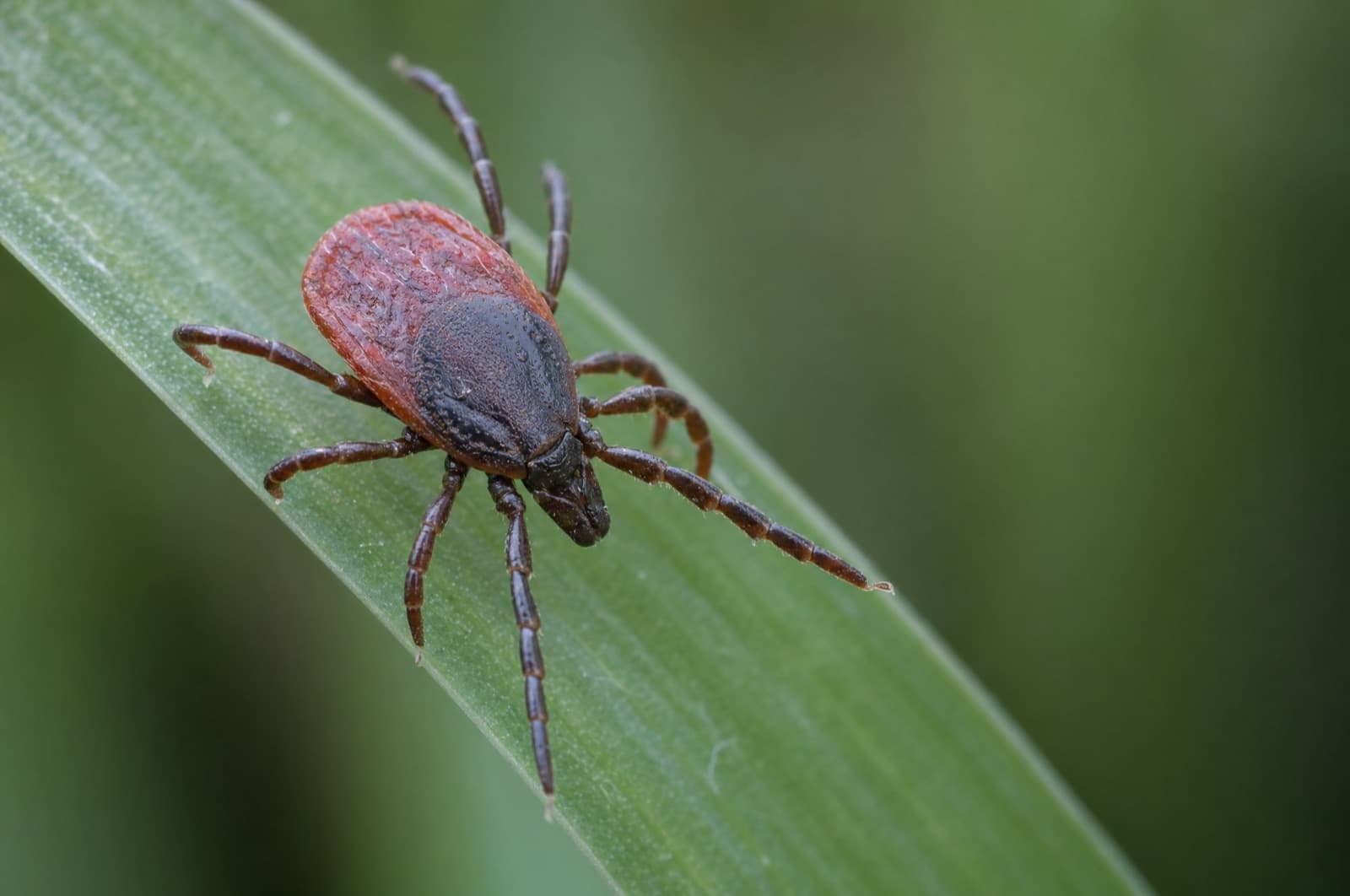
How To Get Rid Of Ticks During The Winter?

Don't wait - every day increases health risks and property damage. These aggressive rodents multiply rapidly and spread dangerous diseases.

Professional elimination is the ONLY safe and effective solution. DIY methods fail 90% of the time and can make the problem worse.

24 Hours

Average response time

100%

Satisfaction guarantee

Call now for same-day, eco-friendly pest control

With over 20 years of experience, Anchor Pest offers personalized, chemical-safe quarterly subscriptions, protecting homes and businesses across Manchester and surrounding counties with ongoing peace of mind.

(603) 785-0118

Contact Us

How Do Ticks Survive During The Winter?

Ticks survive winter by slowing their bodies down, hiding in insulated spots like leaf litter and snow, making natural “antifreeze,” living off stored fat, and briefly waking on mild days to find a host.


How ticks avoid freezing


Ticks lower their metabolism (a pause called diapause) and produce sugars like glycerol and antifreeze proteins that keep ice from forming inside them (supercooling). This lets them survive temperatures well below freezing, especially when they stay dry and sheltered.


Where ticks spend winter


  • Under leaf litter, pine needles, and mulch where wind can’t reach.
  • In brush piles, stone walls, log/wood piles, and animal nests or burrows.
  • At ground level under grasses or evergreen groundcover. Snow acts like a warm blanket, raising ground temperature enough for survival.


Activity on warm winter days


When air temperatures rise to about 4–10°C (40–50°F), blacklegged (deer) ticks can “quest” (wait with front legs out on low plants) and latch onto deer, mice, birds, pets, or people. Afterward, they drop back to shelter.


Which life stages overwinter


  • Larvae, nymphs, and adults can all overwinter.
  • Adult females that fed in fall often survive winter, then lay thousands of eggs in spring.
  • Disease germs (like Lyme bacteria) persist inside ticks through winter.


What limits them


Prolonged, bare, subfreezing cold with wind and dryness kills many ticks. However, snow cover, leaf litter, and brief thaws let enough survive that winter does not eliminate them; risk remains year-round in many regions.

Protect Your Family Today

Professional pest control eliminates troubles immediately. Our safe, effective treatments protect your loved ones from dangerous diseases.

Signs Of Ticks During The Winter


Winter signs that ticks are present or active


  • Ticks found on pets or clothing after mild winter days (above about 40°F/4°C).
  • Small, flat, dark “seed-like” bugs crawling on coats, car seats, or floors after outdoor time.
  • Attached ticks in warm, hidden body spots (ears, hairline, armpits, waist, groin, behind knees, between toes).
  • Pets scratching or a felt “bump” that turns into a gray, bean-shaped tick as it feeds.
  • Unexplained winter flu-like illness (fever, chills, fatigue, headache, joint aches) or a spreading rash after outdoor exposure.
  • Finding ticks near entryways, pet bedding, or baseboards after walks on leaf-covered trails or yards.


Why ticks can be active in winter


  • Blacklegged (deer) ticks quest whenever temperatures rise above freezing, especially on sunny, wind-sheltered days.
  • They overwinter alive in leaf litter, brush piles, and along deer or rodent paths; warm spells wake them.
  • Snow cover insulates leaf litter, helping ticks survive cold snaps.


Where to look closely


  • People: scalp, behind ears, neck, armpits, waistband, groin, backs of knees, ankles.
  • Pets: ears (inside/edge), around eyes, under collar, armpits, between toes, groin, tail base.


What to do if you find signs


  • Remove with fine-tipped tweezers close to skin; steady pull. Clean bite with soap/water.
  • Save the tick in a sealed bag with date/location; consider testing locally.
  • Call a clinician/vet if symptoms develop or attachment may have been >24–36 hours.
  • Keep using pet preventives year-round; do tick checks and tumble-dry clothes on high 10 minutes after outings.

How To Get Rid Of Ticks During The Winter?


Best way to get rid of winter ticks: keep control going year‑round—clean up leaf litter and brush, treat pets monthly, wear repellent and permethrin‑treated clothing, dry clothes on high heat after outings, manage mice/deer, and call a pro if you see ticks indoors.


Ticks don’t die in winter. Many stay active anytime temps rise above about 37°F or in warm leaf piles and sheds. Use these steps:


Outdoor actions


  • Rake and remove leaf litter, tall grass, and brush where ticks hide; clear around stone walls and woodpiles.
  • Create a 3‑foot gravel or wood‑chip barrier between lawn and woods; keep play sets and seating inside the lawn, in sun.
  • Store wood off the ground and away from the house; prune lower branches to let sun dry the ground.
  • Reduce mice: seal gaps larger than a pencil, tidy bird seed, use closed bins; consider permethrin tick tubes in late fall/winter per label.
  • Discourage deer: plant deer‑resistant species, use fencing or repellents.
  • If pressure is high, have a licensed pro apply a labeled winter/dormant‑season acaricide to tick zones on thawed days.


Protect people and pets


  • Pets: keep vet‑approved tick prevention all winter (e.g., isoxazoline chewables or Seresto collar); check coats after walks.
  • People: use EPA repellents (DEET, picaridin, IR3535, or oil of lemon eucalyptus). Treat clothing/boots with 0.5% permethrin (never skin).
  • After outdoor time: shower within 2 hours; tumble clothes on high heat 10 minutes before washing.
  • Remove attached ticks with fine tweezers: grasp at skin, pull straight out, clean with alcohol.


Indoors


  • Vacuum baseboards, pet areas, and entry rugs; launder pet bedding hot.
  • Seal gaps at doors, foundations, and utility lines to block rodent hosts.
  • If you find multiple ticks indoors, get a professional inspection and treatment plan.

Spotted Any of These Signs?

Don't risk your family's health. Our certified technicians can be at your property within 24 hours.

Professional Solution That Actually Works

Our certified technicians eliminate pests infestations completely and permanently.
Here's what you get:

🔍

Immediate Assessment

Trained experts identify entry points and nesting areas

🛡️

Safe Treatment

Pet and family-friendly methods used

🎯

Complete Elimination

Targets entire colony, not just visible insects or rodents

📋

Prevention Plan

Long-term exclusion strategies

🧽

Health Protection

Proper cleanup and sanitization

Guarantee

Service warranty and follow-up visits

Our 3-Step Elimination Process

🔍

1. Immediate Inspection

Complete property assessment within 24 hours

🎯

2. Targeted Elimination

Safe, effective treatment of entire colony

🛡️

3. Prevention Plan

Long-term exclusion and monitoring

Ready to Solve This Problem Forever?

Join thousands of satisfied customers who chose professional pest control.
100% satisfaction guarantee.

Quarterly Subscription Plans • Licensed & Insured • Same-Day Start • 100% Satisfaction Guarantee