
Skip to content
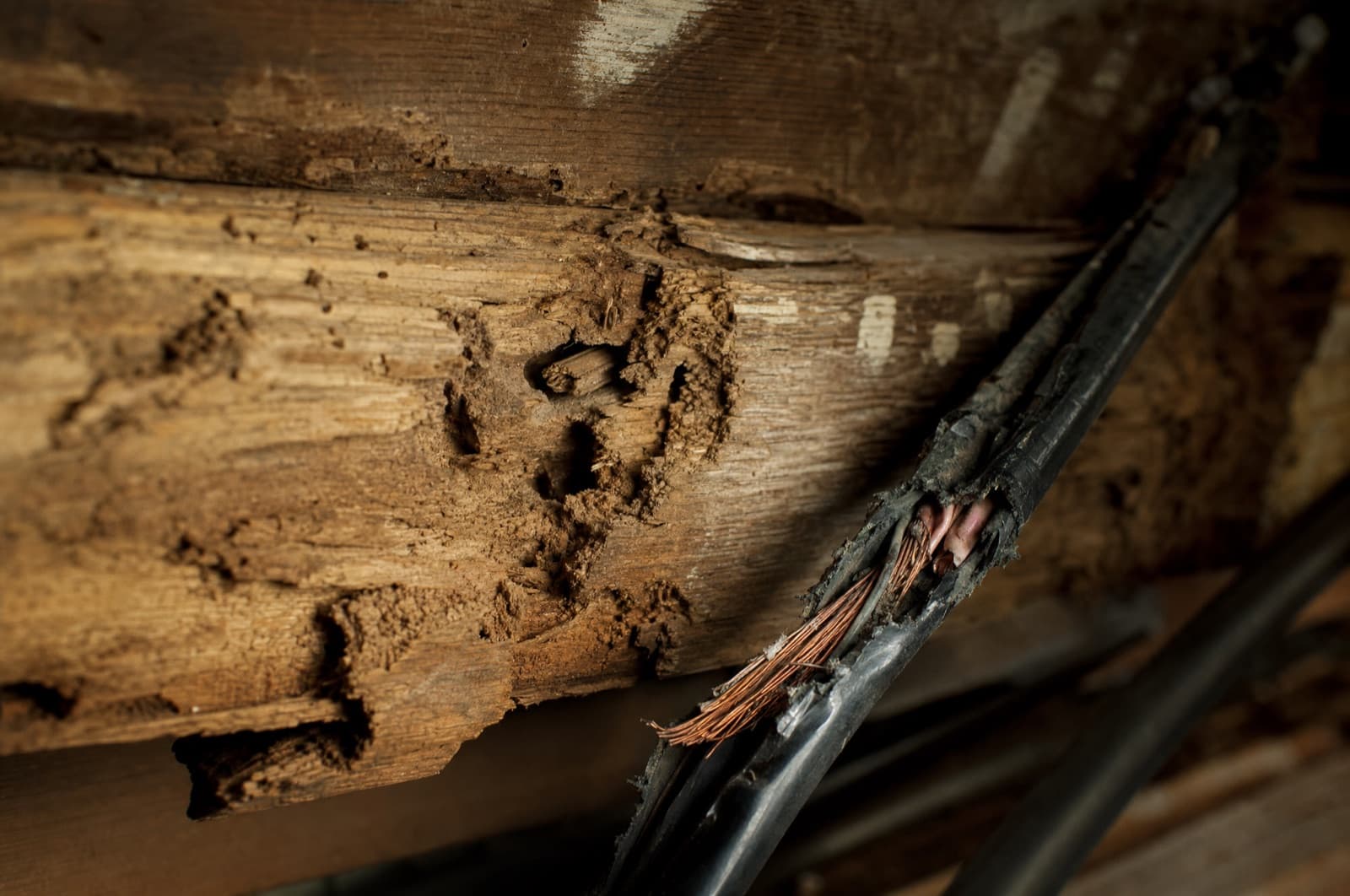
Pest damage evidence — a gnawed structural beam and a chewed electrical wire
Daniel Brady · NH-Licensed Pesticide Applicator · License #782664
Reviewed by Daniel Brady

Do aphids weaken plants or spread disease?

Functional damage to the plant — genuinely earned
Yes, on both counts. Aphids feed by piercing plant tissue and sucking phloem sap, which causes yellowing, curling leaves, stunted growth, and reduced vigor, especially on new plantings. They also excrete sugary honeydew that fuels black sooty mold on leaves and surfaces below, and most importantly, they are the most efficient insect vectors of plant viruses known to science. UNH Cooperative Extension lists all three harms explicitly for New Hampshire gardens. This is genuine plant disease and plant-health damage — not human disease — and it's a horticulture matter, not a household pest-control one.

At a glance

  • Can it?: Yes
  • How common: Routine
  • Hype: About right
  • Evidence: Well documented
  • over 30 percent

    Share of insect-borne plant viruses aphids are estimated to transmit — the most efficient known vectors

    Guo et al. 2022, Frontiers in Insect Science — 'Aphid Viruses: A Brief View of a Long History'

The honest answer

The short of it

The verdict
Functional damage to the plant — genuinely earned

Yes — aphids weaken plants by feeding on sap, foul them with honeydew and sooty mold, and are the leading insect vectors of plant viruses. This is one claim the internet gets roughly right.

The correction

What they claim vs. what the evidence supports

One shared severity track, two markers. The span between them is the hype delta — named out loud.

The claim — aphids weakening garden plants and spreading plant disease

That aphids weaken plants by feeding on sap, spread disease between plants, and coat everything in sticky mold — a fairly serious-sounding combination of harms.

Where the claim comes from: Garden media and university extension sources alike, which is notable — this is one of the rare claims where popular and academic framing largely agree.

Severity, 0–100
Hype says60
60Evidence says
The hype is fairWell documented
The evidence

The evidence supports essentially all of it. A 2022 peer-reviewed review in Frontiers in Insect Science states that as the most efficient vectors of plant viruses, aphids are estimated to transmit over 30 percent of insect-borne viruses. Honeydew-fueled sooty mold measurably reduces photosynthesis by blocking light on leaf surfaces. Feeding alone causes yellowing, curling, and stunting, particularly on new or susceptible plantings. The one honest caveat is scale: established, healthy, well-watered plants tolerate moderate aphid loads without serious harm.

The gap

There isn't much of a gap here, and that's the honest headline. Aphids genuinely weaken plants and genuinely spread plant viruses — the nuance is that the real threat concentrates on new plantings and virus-susceptible crops, while a mature, healthy plant generally shrugs off a moderate infestation.

Damage assessment

What is actually harmed

Damage verdict
Functional damage to the plant — genuinely earned
FunctionalCan it?Yes
The specimen
Pest
Aphids (family Aphididae) — dozens of species affecting New Hampshire gardens and greenhouse plants
What is in question
Garden vegetables, ornamentals, and new or young plantings
How common
Routine
Evidence
Well documented
Mechanism

Aphids use piercing-sucking mouthparts to tap directly into phloem tissue, draining sap and injecting salivary compounds that can distort growth. As they feed, they excrete excess sugary sap as honeydew, which coats leaves and nearby surfaces and fuels black sooty mold that further blocks photosynthesis. Separately, and more seriously, aphids transmit plant viruses stylet-to-stylet — a probing feed lasting only seconds can be enough to infect a plant, since the virus rides on the mouthparts rather than requiring prolonged feeding.

Actually at risk4
  • New and young plantings, which show yellowing, curling, and stunted growth fastest under aphid feeding
  • Virus-susceptible vegetable and ornamental crops, where a brief feeding visit can transmit a permanent viral infection
  • The aesthetic and functional health of leaves coated in honeydew and sooty mold — cars, decks, and patio furniture underneath affected plants get fouled too
  • Overall plant vigor and yield in a heavy, sustained infestation
Not at risk — despite the myth4
  • Human health — aphid-transmitted 'disease' means plant viruses, not anything that affects people
  • Your home's structure, wiring, or any building system
  • Usually the survival of established, well-watered, mature plants carrying a moderate aphid load
  • Woody trunk and root tissue directly — aphid feeding targets soft new growth and leaves, not bark or roots
Worst realistic case
A virus infection or serious stunting that damages or kills a susceptible crop or a bed of young seedlings, plus sooty-mold fouling on nearby surfaces. That's a genuine loss for the plants involved — not a whole-landscape kill, and not a threat to your home.

Assessed from: UNH Cooperative Extension Aphids fact sheet; Guo et al. 2022, Frontiers in Insect Science; University of Kentucky Entomology ENTFACT-103; University of Maryland Extension (honeydew and sooty mold)

The compounding clock

Does it get worse if you ignore it?

Over time
Compounds

Compounds fast within a season — aphid colonies reproduce explosively, and a transmitted virus is permanent in that plant even after the aphids are gone.

The timeline
3 stages
  1. WeeksReversible

    Aphids reproduce parthenogenetically and give live birth to more aphids without mating, so a small colony can multiply into a dense infestation within a few weeks under favorable conditions.

  2. One seasonPermanent

    Honeydew accumulation and sooty mold build up on leaves and nearby surfaces, and any virus transmission that occurred earlier in the season shows as permanent stunting, mottling, or distortion in that plant.

  3. YearsReversible

    Aphid populations rise and fall year to year with weather, natural enemy activity, and plant stress levels, but there's no cumulative worsening trend for the garden as a whole — each season starts fresh.

What stops the clock
Natural enemies — lady beetles, lacewings, and parasitic wasps — check aphid populations effectively when conserved. Hosing colonies off with water, controlling the ants that tend and protect aphids for their honeydew, and removing severely virus-affected annuals all help. Extension sources caution that killing the aphids after infection does not reverse a virus already transmitted to that plant.
Repair scope

Who actually fixes this

Scope, not dollars — the honest answer to “how expensive is it,” routed to the right trade.

Who fixes it
You — a DIY patch
Effort
An afternoon

This is garden cultural and biological control, not a structural repair or a pest-control service — conserving natural predators and intervening only on confirmed, high-density infestations is the entire honest fix for a home garden.

The right order
  1. 1
    Confirm aphids by looking for honeydew, cast skins, sooty mold, or tending ants on the plant
  2. 2
    Conserve natural enemies (lady beetles, lacewings, parasitic wasps) rather than reflexively spraying
  3. 3
    Intervene only if populations are heavy on a susceptible or young planting, and remove any plants showing clear virus symptoms
Route by symptom
  • ISA-certified arboristA large, valued ornamental tree is heavily infested and the aphid load is affecting its overall health, not just a few leaves
  • Nobody — nothing to repairThe infestation is light and the plant is established and healthy — often nothing beyond routine garden observation is needed
Do not
  • Don't reflexively spray broad-spectrum insecticide — extension sources note this kills the natural predators that check aphid populations for free
  • Don't assume removing the aphids after the fact undoes a virus infection already transmitted — it doesn't
Where we help — and where we don't

This is genuinely not an Anchor job. Aphid feeding and plant-virus transmission are horticulture and plant-health matters — route it to UNH Cooperative Extension, a garden center, or an ISA-certified arborist for larger trees, not a pest-control treatment plan.

In depth

The full picture

01

Why this is the claim the internet actually gets right

Most pages in this hub exist to correct an overstated pest-damage claim. This one is different: the widely circulated warning that aphids weaken plants and spread disease holds up against the evidence about as well as a claim can. UNH Cooperative Extension's own aphid fact sheet lists sap-feeding damage, honeydew and sooty mold, and virus transmission as genuine, documented harms for New Hampshire gardens — there's no gap to correct here, only a scale to calibrate.

02

The feeding damage itself

Aphids feed with piercing-sucking mouthparts that tap directly into a plant's phloem, the tissue that carries sugars and nutrients throughout the plant. Sustained feeding drains that resource and can inject salivary compounds that distort growth, producing the yellowing, curling, and stunting gardeners recognize on infested new growth. Aphids are also, per UNH Extension, among the most common plant pests in New Hampshire and the single most common pest encountered in greenhouse growing — so this isn't a rare event.

03

The honeydew problem, and the far more serious virus problem

As aphids feed, they excrete much of the sugar they take in as a sticky substance called honeydew, which coats leaves, cars, decks, and anything else beneath an infested plant. University of Maryland Extension notes that the resulting black sooty mold growing on that honeydew isn't itself a parasite of the plant, but it does block light and reduce photosynthesis where it accumulates heavily.

The more serious harm is viral. Aphids are, per a 2022 peer-reviewed review in Frontiers in Insect Science, the most efficient insect vectors of plant viruses known, estimated to transmit well over 30 percent of insect-borne viruses. Transmission can happen in a matter of seconds of probing — the aphid doesn't need to settle in and feed at length, which is part of why chemical control alone often fails to stop virus spread: an aphid can infect a plant and move on before any treatment takes effect.

04

Why this stays a garden question, not a pest-control one

Everything aphids damage is plant tissue — leaves, stems, and the health of the plant carrying the infestation. None of it touches your home's structure, wiring, or any system a licensed pest control company treats, and the 'disease' being spread is a plant virus, not anything that threatens human health.

The right resource for a real aphid problem is UNH Cooperative Extension, a garden center, or, for a large ornamental tree, an ISA-certified arborist — not a household pest treatment. Conserving the natural predators that keep aphid populations in check is usually more effective than spraying, and it avoids the collateral damage broad-spectrum insecticide does to those same predators.

Key takeaways
5 points
  • Yes — aphids genuinely weaken plants through sap feeding and are the leading insect vectors of plant viruses. This claim is largely accurate, not overstated.
  • Honeydew from aphid feeding fuels black sooty mold, which reduces photosynthesis where it builds up heavily.
  • Virus transmission can happen in seconds of feeding — killing the aphids afterward does not undo an infection already passed to the plant.
  • Established, healthy, well-watered plants tolerate moderate aphid loads; new plantings and susceptible crops are the real risk.
  • This is horticulture, not pest control — UNH Cooperative Extension and garden centers are the right resource, not a treatment plan.
New Hampshire context

New Hampshire's growing season keeps aphids a routine presence

Aphids are, per UNH Cooperative Extension, among the most common plant pests found in New Hampshire gardens and the single most common pest in greenhouse growing statewide — this isn't an occasional visitor but a routine part of the local growing season from spring through fall. Populations typically build fastest on tender new growth in late spring and can spike again on a second flush of growth in early fall.

For New Hampshire vegetable growers and greenhouse operators specifically, watching new transplants and greenhouse starts closely is the most effective early intervention, since that's exactly the tender, susceptible growth stage where both feeding damage and virus transmission do the most harm.

  • NH-licensed #782664

    Southern New Hampshire

  • Family-owned

    Since 2017

  • Honest routing

    Even when it isn’t us

We serve these communities

ManchesterNashuaConcordDerryBedfordSalemHudsonAmherstAuburnGoffstownHooksettLitchfieldLoudonMilfordBristol

Service Area Map

Southern New Hampshire

BristolPop. 3,200LoudonPop. 5,500ConcordPop. 43,900HooksettPop. 14,800GoffstownPop. 18,000AuburnPop. 5,700ManchesterPop. 115,600BedfordPop. 23,300LitchfieldPop. 8,500AmherstPop. 11,300DerryPop. 34,500MilfordPop. 15,700HudsonPop. 25,600NashuaPop. 91,100SalemPop. 30,000HQCityHover for info

This one's a plant-health question, not a pest control one.

Aphid feeding and virus spread are horticulture matters — UNH Cooperative Extension and your local garden center are the right call.

Follow-up questions

Frequently asked

Sources & citations(5)
  1. UNH Cooperative Extension — Aphids fact sheet

    New Hampshire aphid harms — sap feeding, virus transmission, honeydew

    extensionverified 2026-07-16
  2. UNH Cooperative Extension — Greenhouse Aphids

    Aphids as the most common New Hampshire greenhouse pest

    extensionverified 2026-07-16
  3. Guo et al. 2022, Frontiers in Insect Science — 'Aphid Viruses: A Brief View of a Long History'

    Aphids as the most efficient vectors of plant viruses, transmitting over 30% of insect-borne viruses

    academicverified 2026-07-16
  4. University of Kentucky Entomology — Aphids (ENTFACT-103)

    Virus vectoring mechanism, honeydew, plant tolerance thresholds

    extensionverified 2026-07-16
  5. University of Maryland Extension — Honeydew and Sooty Mold

    Sooty mold reduces photosynthesis; is not itself a plant parasite

    extensionverified 2026-07-16

Written & reviewed by

Verified

Daniel Brady

NH-Licensed Pesticide Applicator · License #782664 (NHDAMF, RSA 430)

Daniel Brady is the New Hampshire–licensed applicator behind Anchor Pest Services, a family-owned pest control company serving the Manchester area since 2017.

Verify license

Last updated Jul 2026

Honest pest help for New Hampshire homes

We'll Tell You When It's Not Our Job.

Aphid damage to garden plants is a horticulture issue, not a structural or household pest problem — we won't sell you a treatment plan for it. If pests are also a problem inside your home, Anchor Pest Services genuinely helps with that. Family-owned since 2017, NH license #782664, serving Manchester, Nashua, Concord and nearby towns.

  • Honest advice — we route plant-health questions to UNH Extension and garden centers
  • NH-licensed applicators (#782664) — free inspection, same-day service
  • Household and structural pest control across southern and central New Hampshire

NH License #782664 · No obligation · We answer in person