
Skip to content
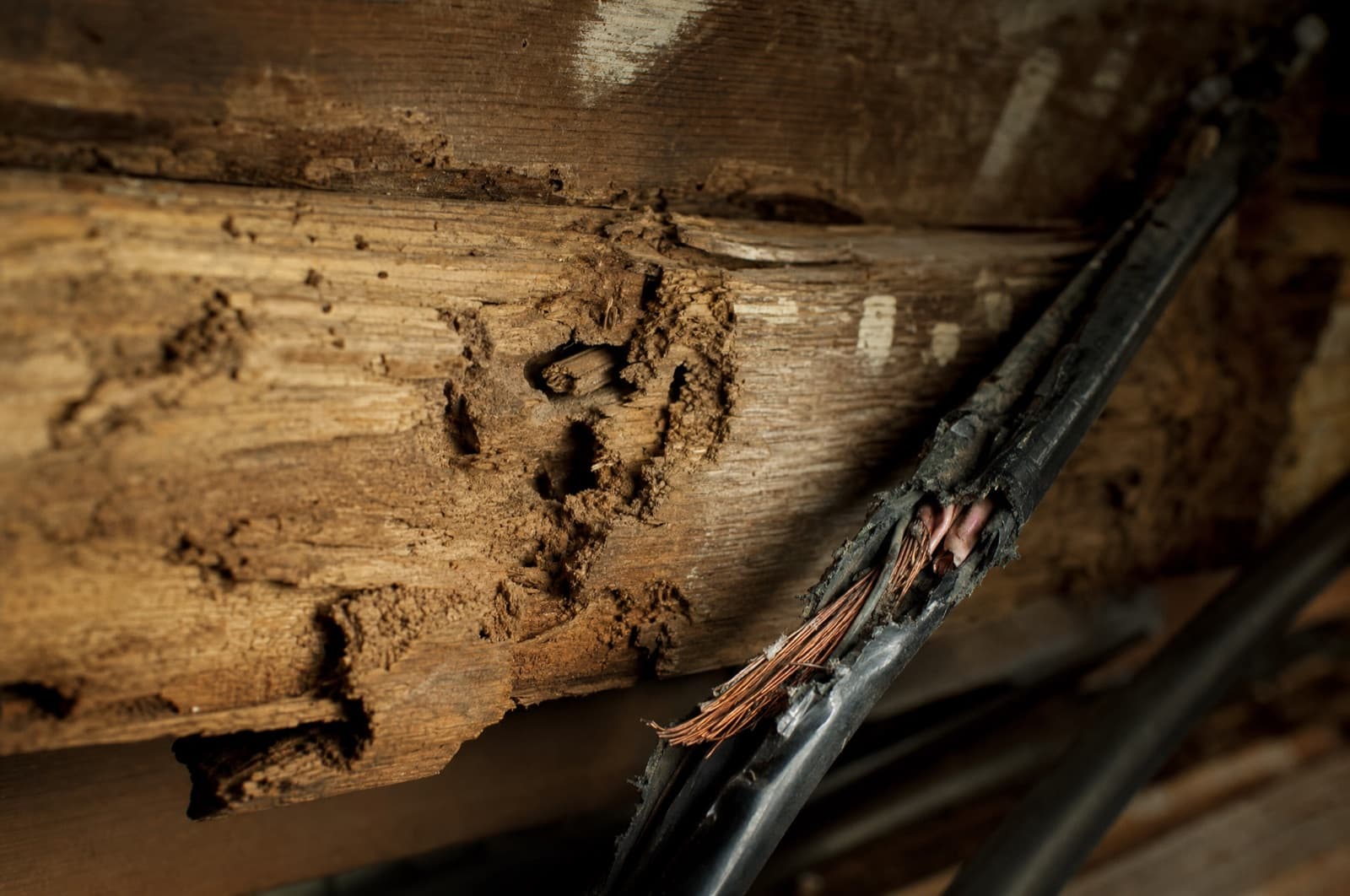
Pest damage evidence — a gnawed structural beam and a chewed electrical wire
Daniel Brady · NH-Licensed Pesticide Applicator · License #782664
Reviewed by Daniel Brady

Do bird droppings damage metal or paint?

Cosmetic — a finish problem, not a structural one
Yes, but the honest answer depends heavily on how long the droppings sit. Bird droppings are acidic, roughly pH 3 to 4.5, and they etch clear coat, paint, and lacquer, especially on horizontal surfaces where they pool and bake in the sun. Left in place over months to years, heavy, continuous accumulation can also corrode metal and degrade roofing materials. On an ordinary house or car, though, this is mostly a cosmetic finish problem — a few droppings cleaned within a day or two cause essentially no lasting damage, and structural metal corrosion is a commercial-roost-scale outcome, not something a handful of splats on a gutter produces.

At a glance

  • Can it?: Yes, but
  • How common: Routine
  • Hype: Overstated
  • Evidence: Well documented
  • pH 3 to 4.5

    Acidity of fresh bird droppings — etches clear coat, paint, and lacquer

    APT Bulletin (Spennemann & Watson) — Bird-dropping corrosion of architectural materials

  • 6 species

    Bird species analyzed in a 2019 UT Austin study that found no uric acid in excreted bird urine

    University of Texas at Austin, Jackson School — Bird Droppings Defy Expectations (Crouch et al., Journal of Ornithology, 2019)

The honest answer

The short of it

The verdict
Cosmetic — a finish problem, not a structural one

Yes, but mostly to the finish: acidic droppings etch paint and clear coat, especially baked on by the sun, and that etching is genuinely permanent. Real corrosion of structural metal needs heavy, years-long accumulation — a few splats promptly cleaned cause no lasting harm at all.

The correction

What they claim vs. what the evidence supports

One shared severity track, two markers. The span between them is the hype delta — named out loud.

The claim — bird droppings eating through paint and metal

That bird droppings rapidly "eat through" car paint and metal on contact, framing every dropping as urgent damage requiring immediate action.

Where the claim comes from: Auto-detailing and bird-control marketing copy, which uses the acid-damage angle to sell rapid-response cleaning services.

Severity, 0–100
Hype says70
40Evidence says
Hype delta30point gapWell documented
The evidence

Finish etching is real and well documented — droppings are acidic and, combined with sun and thermal cycling, can permanently mark clear coat and paint within days if left uncleaned. Structural metal corrosion, however, is documented mainly under heavy, continuous, multi-year accumulation from large roosts, not everyday residential splatter. There's also a scientific wrinkle: a 2019 University of Texas study found no uric acid in excreted bird urine at all, which complicates the popular "uric acid burns through metal" explanation, even though the acidity and the etching themselves are not in dispute.

The gap

The etching mechanism is real and worth acting on promptly. "Eats through metal" is a heavy-roost, multi-year outcome being applied to everyday residential droppings that were never left long enough to reach it.

Damage assessment

What is actually harmed

Damage verdict
Cosmetic — a finish problem, not a structural one
CosmeticCan it?Yes, but
The specimen
Pest
Wild birds, most commonly pigeons, gulls, and songbirds
What is in question
Automotive clear coat and paint, painted trim, powder-coated metal, low-slope or tar-based roofing, and gutters
How common
Routine
Evidence
Well documented
Mechanism

Fresh droppings are acidic, roughly pH 3 to 4.5, and contain insoluble residues that concentrate rather than rinse away in light rain. Sun exposure and daily thermal cycling bake the acidic residue into the finish, deepening the etch over time. Under heavy, sustained accumulation — the kind found beneath a large, long-term roost rather than a few passing birds — the same acidic residue can also begin to corrode exposed metal and degrade roofing materials over months to years.

Actually at risk5
  • Automotive clear coat and paint, especially on horizontal surfaces where droppings pool
  • Painted trim and fascia
  • Powder-coated or unfinished metal surfaces under prolonged, heavy roosting
  • Tar-based or low-slope roofing membranes under continuous, multi-year commercial-scale roosts
  • Gutters, where residue can accumulate and hold moisture
Not at risk — despite the myth3
  • A finish that's promptly cleaned — a few droppings removed within a day or two cause no lasting harm
  • Poured concrete and masonry, which are far more chemically resistant than paint or clear coat
  • Structural steel framing — occasional droppings do not corrode load-bearing metal
Worst realistic case
Permanent etch marks on paint or clear coat requiring polishing or repainting, or, under a heavy, unaddressed multi-year commercial roost, meaningfully shortened roofing service life — not a corroded-through structural panel from ordinary residential exposure.

Assessed from: University of Texas at Austin / Jackson School (uric-acid composition study); APT Bulletin architectural corrosion research

The compounding clock

Does it get worse if you ignore it?

Over time
Compounds

It compounds while droppings sit in place — and goes static the moment they're cleaned.

The timeline
3 stages
  1. DaysReversible

    Fresh acidic residue sits on the finish; sun and heat begin baking it in. Still fully removable with prompt cleaning.

  2. WeeksPermanent

    Repeated thermal cycling deepens the etch on paint or clear coat; marks may start to become visible even after cleaning.

  3. MonthsPermanent

    Continuous accumulation under an active roost begins affecting exposed metal and roofing surfaces beneath it, not just the finish layer.

What stops the clock
Prompt removal of droppings and reducing the roosting or perching behavior that keeps redepositing them — once droppings stop accumulating, existing residue is the last of it.
Repair scope

Who actually fixes this

Scope, not dollars — the honest answer to “how expensive is it,” routed to the right trade.

Who fixes it
You — wipe it up
Effort
Minutes

Fresh droppings are a cleaning task, not a repair — a rinse and a soft cloth (or an automotive detailing wash for a car) removes them before etching sets in.

Route by symptom
  • You — a DIY patchEtching has already set into automotive clear coat or paint and needs polishing or touch-up
  • RooferA roost has been active for a long period and roofing material shows visible degradation beneath it
  • Qualified remediationAccumulation is heavy, widespread, or has built up over a long period without cleaning
Do not
  • Don't scrub dried, baked-on residue aggressively — it can scratch the finish further; soften it first
  • Don't ignore droppings on a car for weeks assuming rain will clean it — acidic residue concentrates rather than rinsing away
Where we help — and where we don't

Cleaning and finish repair aren't Anchor jobs — a detailer handles automotive paint, and a roofer handles roofing material. Where the underlying issue is birds actively roosting or perching in the same spot repeatedly, deterrence for non-native, unprotected species can be in scope; protected native birds are handled differently and are not a removal service.

Health risk

The health angle

Histoplasmosis and, less commonly, psittacosis — both associated with heavy, accumulated bird droppings, not with occasional splatter

Low concern
Who is at risk
  • People who disturb large, dried accumulations of droppings without precautions, such as clearing a heavily used roost site
Precautions
  • Wet down heavy accumulations before disturbing them rather than sweeping them dry
  • Avoid handling large dropping accumulations without gloves and basic hygiene precautions
  • Leave heavy, long-term buildups to professional cleanup rather than DIY removal
Do not
  • Don't dry-sweep large dropping accumulations, which can raise dust
  • Don't treat routine, light droppings as a health emergency — the genuine risk scales with the size of the accumulation
When to seek care

See a doctor if respiratory symptoms develop after clearing a heavy accumulation of droppings, and call NNEPC at 1-800-222-1222 with general exposure questions.

Health guidance from: Illinois Department of Public Health — Health Hazards of Bird and Bat Droppings

In depth

The full picture

01

Why droppings etch a finish at all

Fresh bird droppings run acidic, typically in the pH 3 to 4.5 range, and they contain insoluble residues that don't rinse cleanly away in a light shower. On a horizontal surface — a car hood, a windowsill, a gutter — droppings pool rather than run off, giving the acid time to sit. Direct sun and daily heating and cooling then bake that residue into the surface, which is why a splatter left on a car for a hot summer week routinely leaves a permanent ring even after it's finally washed off. This part of the story is well established and not in serious scientific dispute.

02

A scientific wrinkle worth knowing

The popular explanation for why droppings are so corrosive usually points to uric acid. A 2019 study led by Nick Crouch at the University of Texas at Austin's Jackson School of Geosciences, published in the Journal of Ornithology, actually found no uric acid in excreted bird urine across the six species tested — instead identifying ammonium urate, struvite, and two unidentified compounds. That doesn't change the practical reality that droppings are acidic and do etch finishes; it just means the specific chemistry people cite as the cause is less settled than the marketing copy suggests.

03

Where the claim goes too far

The etching-a-finish story is solid. The "eats through metal" story is where the inflation happens. Architectural and conservation literature on bird-dropping corrosion of metal and stone documents real material loss — but almost always describing large, continuous roosts on buildings and structures accumulating droppings over months or years, not a residential home with occasional bird visitors. On a house or a car, structural metal simply isn't exposed to the volume or duration of accumulation that produces that outcome. Concrete and masonry are more resistant still. The honest ceiling here is a permanently marked finish, not a rusted-through gutter or a corroded roof panel from a handful of birds passing through.

04

What actually stops it

Because the damage mechanism depends on time and heat exposure, the single most effective intervention is simply not letting droppings sit. Prompt cleaning — a rinse and a soft cloth, or an automotive wash for a car — interrupts the etching process before it sets. The longer-term fix, where birds are repeatedly perching or roosting in the same location, is reducing that behavior (deterrents, spikes, netting, as appropriate to the species) rather than treating each cleanup as an isolated event.

Key takeaways
5 points
  • Bird droppings are acidic and genuinely etch paint, clear coat, and lacquer, especially with sun exposure and time.
  • Prompt cleaning within a day or two prevents most lasting damage — the timing matters more than the droppings themselves.
  • Real corrosion of structural metal requires heavy, continuous, multi-year accumulation — a commercial-roost scale problem, not everyday residential splatter.
  • The specific "uric acid" chemistry story is scientifically unsettled, though the acidity and etching are not in dispute.
  • Concrete, masonry, and structural steel are far more resistant than paint or clear coat, and are not at meaningful risk from occasional droppings.
New Hampshire context

Seasonal patterns in New Hampshire

Bird activity around New Hampshire homes and vehicles peaks during spring and fall migration and through the nesting season, when perching and roosting near eaves, gutters, and parked cars is most frequent. Cold-weather months bring less exposure simply because birds are less active outdoors and vehicles spend more time in garages, but any accumulation left through a warm, sunny stretch etches faster than the same amount left during a cool, cloudy one — worth keeping in mind for cars parked outside through a New Hampshire summer.

  • NH-licensed #782664

    Southern New Hampshire

  • Family-owned

    Since 2017

  • Honest routing

    Even when it isn’t us

We serve these communities

ManchesterNashuaConcordDerryBedfordSalemHudsonAmherstAuburnGoffstownHooksettLitchfieldLoudonMilfordBristol

Service Area Map

Southern New Hampshire

BristolPop. 3,200LoudonPop. 5,500ConcordPop. 43,900HooksettPop. 14,800GoffstownPop. 18,000AuburnPop. 5,700ManchesterPop. 115,600BedfordPop. 23,300LitchfieldPop. 8,500AmherstPop. 11,300DerryPop. 34,500MilfordPop. 15,700HudsonPop. 25,600NashuaPop. 91,100SalemPop. 30,000HQCityHover for info

Bird droppings are usually a cleaning problem, not a pest-control one.

We'll tell you honestly when the fix is a rinse and a soft cloth rather than a service call.

Follow-up questions

Frequently asked

Sources & citations(3)
  1. University of Texas at Austin, Jackson School — Bird Droppings Defy Expectations (Crouch et al., Journal of Ornithology, 2019)

    No uric acid found in excreted bird urine across six species tested; alternative nitrogen compounds identified

    academicverified 2026-07-16
  2. APT Bulletin (Spennemann & Watson) — Bird-dropping corrosion of architectural materials

    Documented corrosion of metal and stone under heavy, sustained bird-dropping accumulation at building/roost scale

    academicverified 2026-07-16
  3. Illinois Department of Public Health — Health Hazards of Bird and Bat Droppings

    Health risk from heavy accumulations being proportionate rather than emergency-scale for routine exposure

    govverified 2026-07-16

Written & reviewed by

Verified

Daniel Brady

NH-Licensed Pesticide Applicator · License #782664 (NHDAMF, RSA 430)

Daniel Brady is the New Hampshire–licensed applicator behind Anchor Pest Services, a family-owned pest control company serving the Manchester area since 2017.

Verify license

Last updated Jul 2026

Honest pest help for New Hampshire homes

We Route You to the Right Fix — Even When It Isn't Us.

Most bird-dropping damage is solved with prompt cleaning, a detailer, or a roofer, not pest control. Where repeated roosting or perching by non-native, unprotected birds is the real driver, deterrence can be part of a broader pest-exclusion plan. Anchor Pest Services will tell you plainly which situation you're in. Family-owned since 2017, NH license #782664, serving Manchester, Nashua, Concord and nearby towns.

  • Honest advice — cleaning and finish repair aren't upsold as pest control
  • NH-licensed applicators (#782664) — free inspection, same-day service
  • Perimeter pest defense across southern and central New Hampshire

NH License #782664 · No obligation · We answer in person