
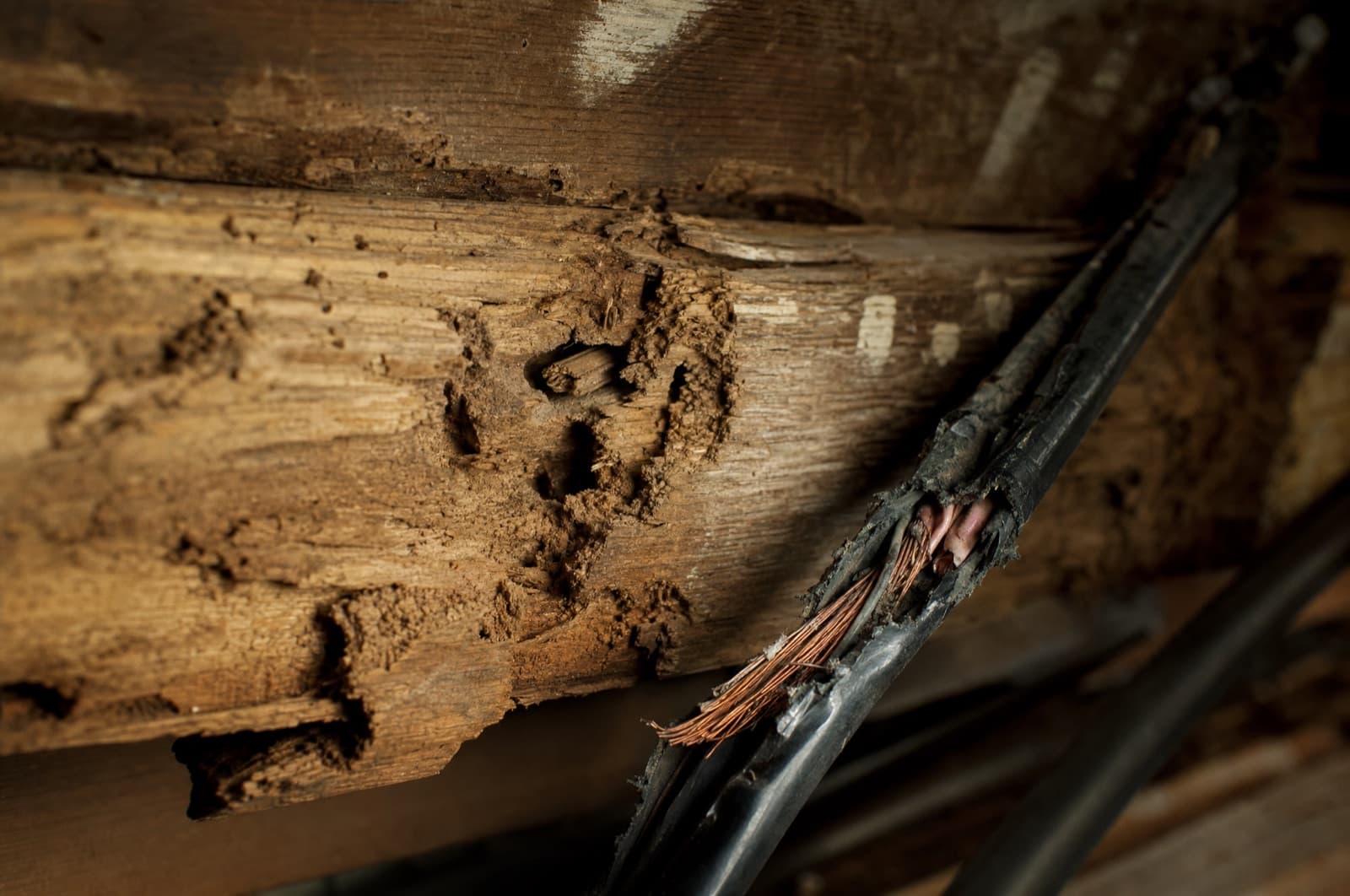
Why do pests enter basements or garages?

Don't wait - every day increases health risks and property damage. These aggressive rodents multiply rapidly and spread dangerous diseases.

Professional elimination is the ONLY safe and effective solution. DIY methods fail 90% of the time and can make the problem worse.

24 Hours

Average response time

100%

Satisfaction guarantee

Call now for same-day, eco-friendly pest control

With over 20 years of experience, Anchor Pest offers personalized, chemical-safe yearly subscriptions, protecting homes and businesses across Manchester and surrounding counties with ongoing peace of mind.

(603) 785-0118

Contact Us

Why do pests enter basements or garages?


Pests—such as rodents (like mice and rats), insects (like ants, cockroaches, termites, and spiders), and even wildlife (like raccoons or squirrels)—enter basements or garages mainly because these areas provide easy access, food, water, and shelter. In simple words, your basement and garage offer pests everything they need to survive, and often, these spots are less disturbed by people, making them safe hiding places.

Main Reasons Basements and Garages Attract Pests

  • Access Points: Basements and garages often have small openings, cracks in the walls, gaps around doors and windows, or spaces by utility pipes where pests can squeeze inside. Garage doors are also opened frequently, giving pests easy entry.
  • Shelter and Safety: These areas are quiet, less frequently visited, and usually dark—conditions pests love. Cardboard boxes, old clothes, clutter, or insulation give them places to hide, nest, or build colonies.
  • Moisture: Basements are often damp from leaks, poor ventilation, or humidity. Many pests, like silverfish, centipedes, cockroaches, and even rodents, are drawn to moisture because they need water to survive.
  • Food Sources: Garages and basements sometimes store pet food, bird seed, grass seed, canned goods, or even garbage. Any accessible food, even crumbs or spills, attracts pests. Some insects, such as termites or carpenter ants, can feed on wood or cardboard stored in these areas.
  • Temperature Shelter: In cold seasons, pests look for warmth and protection from the weather. A basement or garage offers a warmer environment than outside. Conversely, in hot weather, your basement might stay cooler, drawing pests seeking relief from heat.
  • Lack of Disturbance: Pests are opportunistic—they prefer places where people, pets, or other threats rarely bother them. Items that haven’t moved in months or years become appealing safe havens for nesting or living undisturbed.

Types of Pests Commonly Invading Basements and Garages

  • Rodents: Mice and rats squeeze through even tiny openings. They’re after shelter, nesting material, and food.
  • Insects: This group includes ants, cockroaches (drawn to food and moisture), spiders (after other insects), termites (after wood), and millipedes/centipedes (after moisture).
  • Wildlife: Sometimes raccoons, opossums, or squirrels enter, especially if food is stored or if there’s easy attic/basement access.

Preventing Pests from Entering

  • Seal Entry Points: Examine and fill cracks and gaps around the foundation, windows, doors, and where pipes enter. Use caulk, steel wool, or weatherstripping.
  • Control Moisture: Use dehumidifiers, fix leaks, and ensure proper drainage around your foundation. Keep areas as dry as possible.
  • Remove Food Sources: Store food in airtight containers, avoid leaving garbage, and clean up crumbs or spills quickly. Don’t store pet food or birdseed in thin plastic or cardboard packaging—use metal or heavy-duty sealed containers.
  • Reduce Clutter: Declutter your basement and garage regularly. Remove piles of newspapers, cardboard boxes, or unused items to limit hiding spots. Try stacking storage containers off the ground and using plastic bins instead of cardboard.
  • Ventilation and Light: Improve airflow and light to make the area less appealing. Pests prefer dark, stuffy places.
  • Regular Inspections: Walk through your basement and garage periodically to look for new entry points, droppings, piles of shredded material, or pests themselves—early detection makes control much easier.

Why do pests enter basements or garages: Key Takeaways

Pests invade basements and garages because these spaces are easy to enter and provide food, moisture, shelter, warmth or coolness, and safety from daily activity. By understanding exactly what attracts them—access points, clutter, moisture, and food—you can make simple changes to keep pests out. Regular inspections, sealing gaps, cleaning up, and reducing moisture are the best ways to prevent an infestation before it starts.

Protect Your Family Today

Professional pest control eliminates troubles immediately. Our safe, effective treatments protect your loved ones from dangerous diseases.

Identify Your Pest and Discover the Best Solutions

Can pest infestations affect home resale value?

How pest infestations can damage your home and hurt resale value, plus practical prevention tips to safeguard your property investment.

Read More

Do seasonal pests cause different types of damage?

How seasonal pests—from spring ants to winter rodents—cause unique damage and learn tips to protect your home year-round.

Read More

Can bats ruin attic insulation with droppings?

How bat droppings can damage your attic insulation, pose health hazards, and learn expert tips to prevent costly repairs and keep your home safe.

Read More

Can termites damage flooring or wall supports?

How termites can damage your flooring and wall supports, spot early warning signs, and take action to protect your home from costly repairs.

Read More

Can starlings or pigeons clog vents or drains?

Whether starlings and pigeons can clog vents or drains, uncover the warning signs of blockages, and discover proven prevention tips to keep your home safe.

Read More

Can fleas damage anything besides biting pets?

How fleas can harm more than just your pets—infesting carpets, damaging furniture, and posing health risks to humans. Learn expert tips for prevention and.

Read More

Why do roaches hide in kitchen appliances?

Why roaches hide in kitchen appliances—warmth, food crumbs, moisture and dark tight spots—and learn simple tips to prevent infestations and keep your kitchen.

Read More

Can bird nests cause chimney fires?

Can bird nests cause chimney fires? Learn how flue blockages from nests can ignite dangerous hotspots and discover expert tips on safe nest removal, chimney maintenance, and fire prevention.

Read More

Which pests cause the most expensive repairs?

Which pests—termites, rodents, carpenter ants and more—can drive up your repair bills, and get expert tips to prevent costly home damage.

Read More

Professional Solution That Actually Works

Our certified technicians eliminate pests infestations completely and permanently.
Here's what you get:

🔍

Immediate Assessment

Trained experts identify entry points and nesting areas

🛡️

Safe Treatment

Pet and family-friendly methods used

🎯

Complete Elimination

Targets entire colony, not just visible insects or rodents

📋

Prevention Plan

Long-term exclusion strategies

🧽

Health Protection

Proper cleanup and sanitization

Guarantee

Service warranty and follow-up visits

Our 3-Step Elimination Process

🔍

1. Immediate Inspection

Complete property assessment within 24 hours

🎯

2. Targeted Elimination

Safe, effective treatment of entire colony

🛡️

3. Prevention Plan

Long-term exclusion and monitoring

Ready to Solve This Problem Forever?

Join thousands of satisfied customers who chose professional pest control.
100% satisfaction guarantee.

Quarterly Subscription Plans • Licensed & Insured • Same-Day Start • 100% Satisfaction Guarantee