
Skip to content
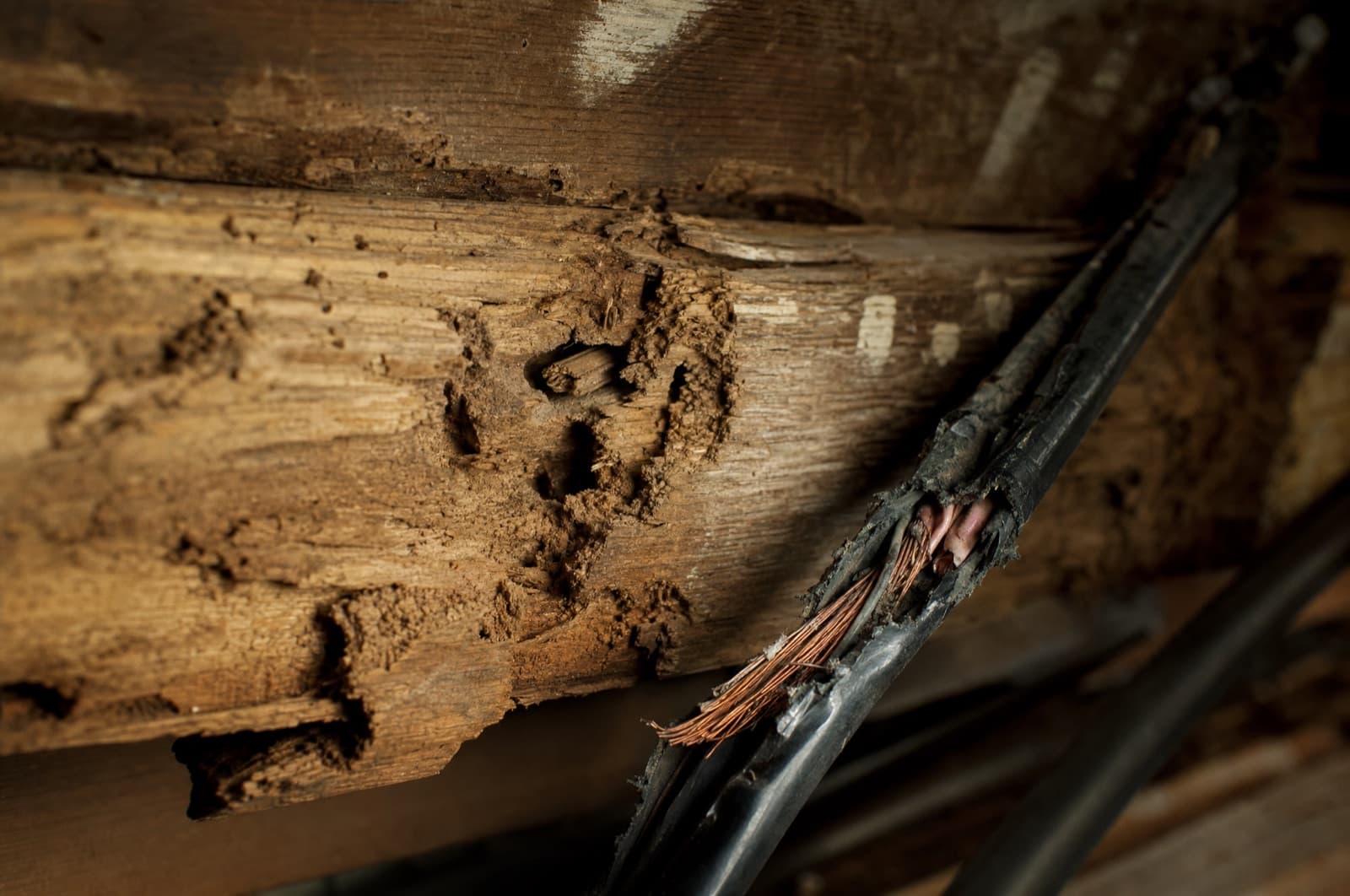
Pest damage evidence — a gnawed structural beam and a chewed electrical wire
Daniel Brady · NH-Licensed Pesticide Applicator · License #782664
Reviewed by Daniel Brady

Do pests damage vehicles or machinery stored in garages?

Functional damage — real, and one of the fairer claims in this hub
Yes. Rodents nest inside stored vehicles, mowers, tractors, and other idle machinery, gnawing wiring harnesses, fuel and vacuum lines, and shredding seat foam or insulation for nesting material. Undisturbed, warm, sheltered equipment is exactly the kind of real estate rodents seek out, so this damage is genuinely common — not a manufactured scare. Mud daubers occasionally plaster a mud nest inside an unused motor housing too, which is cosmetic and already vacated by the time you find it. The one thing to skip is the theory that soy-based vehicle wiring is a rodent magnet; that claim has been rejected in court for lack of evidence.

At a glance

  • Can it?: Yes
  • How common: Routine
  • Hype: About right
  • Evidence: Well documented
The honest answer

The short of it

The verdict
Functional damage — real, and one of the fairer claims in this hub

Yes — rodents routinely nest inside idle vehicles, mowers, tractors, and stored machinery, gnawing wiring and fuel lines and shredding upholstery for nesting material. This is one of the honestly earned claims in this hub, not an overstated one.

The correction

What they claim vs. what the evidence supports

One shared severity track, two markers. The span between them is the hype delta — named out loud.

The claim — rodents nesting in and damaging vehicles or machinery stored in garages

That any vehicle or piece of equipment left idle in a garage is at serious, near-certain risk of rodent damage, often paired with the specific claim that modern soy-based wire insulation is a rodent attractant that automakers are covering up.

Where the claim comes from: A mix of legitimate wildlife-damage extension guidance and a wave of consumer news coverage and class-action litigation around soy-based automotive wiring insulation.

Severity, 0–100
Hype says65
60Evidence says
The hype is fairWell documented
The evidence

The core claim holds up well: idle, undisturbed vehicles and machinery are classic rodent nesting sites, and gnawed wiring harnesses, fuel lines, and shredded upholstery are a genuine, industry-wide, well-documented outcome. Where the claim overreaches is the soy-wiring theory specifically — 2015 to 2020 class-action lawsuits against major automakers were dismissed for insufficient evidence that soy-based insulation attracts rodents more than petroleum-based insulation, and rodents chewing vehicle wiring significantly predates the introduction of soy-based wiring by decades.

The gap

This one is largely earned — stored, undisturbed equipment really is prime rodent real estate, and the damage is genuine. The only part to leave behind is the soy-insulation-as-bait theory, which courts and automakers have both rejected for lack of evidence.

Damage assessment

What is actually harmed

Damage verdict
Functional damage — real, and one of the fairer claims in this hub
FunctionalCan it?Yes
The specimen
Pest
House mice, Norway rats, and roof rats; occasionally mud daubers (cosmetic, unrelated mechanism)
What is in question
Vehicle and equipment wiring harnesses, fuel and vacuum lines, seat foam, cabin air filters, and stored machinery insulation
How common
Routine
Evidence
Well documented
Mechanism

An idle vehicle or piece of machinery in a garage offers exactly what a rodent looks for: shelter, warmth, quiet, and an undisturbed void to nest in. Once inside an engine bay, dashboard, or equipment housing, obligate gnawing (rodent incisors grow continuously and must be worn down) targets whatever soft material is accessible — wiring insulation, rubber hoses, foam seat padding, and air-filter material — while the rodent also shreds soft material to build an actual nest. None of this requires the vehicle to be edible or appealing in any special way; it only requires the vehicle to be still.

Actually at risk4
  • Wiring harnesses, sensor wires, and low-voltage control wiring throughout an engine bay or equipment housing
  • Fuel lines, vacuum lines, and other rubber or plastic tubing
  • Seat foam, cabin air filters, and soft insulation used for nesting material
  • Starter-system wiring and connectors along a rodent's nesting site
Not at risk — despite the myth3
  • The engine block, frame, and steel body panels — none of this is gnawable
  • The specific claim that soy-based wire coatings are a unique rodent attractant — automakers deny it and courts have dismissed litigation on exactly this evidentiary point
  • Equipment that is run or moved regularly — rodents strongly prefer undisturbed shelter, and routine use disrupts nesting before it can establish
Worst realistic case
A vehicle or machine rendered inoperable or unsafe to operate until a wiring harness or fuel line is repaired by a qualified mechanic. A real inconvenience and sometimes a real repair, but not damage to the vehicle's structure itself.

Assessed from: UNL Extension / ICWDM (rodent damage to stored equipment); UMD Extension (mud daubers in motor housings); NBC4 Washington, Chicago Sun-Times, CarBuzz, Top Class Actions (soy-wiring litigation and dismissals)

The compounding clock

Does it get worse if you ignore it?

Over time
Compounds

It compounds the longer a vehicle or machine sits idle and undisturbed — and stops once the rodents are excluded and the equipment is used or moved.

The timeline
3 stages
  1. DaysReversible

    A rodent finds shelter inside an idle vehicle or machine and begins exploratory gnawing at an accessible edge — a hose, a wire tie, a seam in seat foam.

  2. WeeksReversible

    A nest is established using shredded foam and insulation, with repeated gnawing at the same wiring or hose runs. Droppings and rub marks accumulate in the space.

  3. MonthsReversible

    Wiring harnesses or fuel lines can be damaged enough to cause an electrical fault or a fuel leak, and the vehicle or machine may become unsafe or unable to start. The damage is now a repair job for a mechanic rather than a simple exclusion fix.

What stops the clock
Denying rodents the shelter: exclude entry into the garage itself, remove harborage near the vehicle, and run or move stored equipment periodically. A vehicle in regular use is rarely a nesting site — stillness is the vulnerability.
Repair scope

Who actually fixes this

Scope, not dollars — the honest answer to “how expensive is it,” routed to the right trade.

Who fixes it
Pest pro first
Effort
A trade visit

The property-level rodent pressure that puts vehicles at risk in the first place — entry points into the garage, harborage nearby — is Anchor's lane. The vehicle or machine itself needs a mechanic, not a pest technician.

The right order
  1. 1
    Anchor: address garage/perimeter rodent entry points and nearby harborage
  2. 2
    Homeowner: run or move stored vehicles and equipment periodically rather than leaving them fully idle
  3. 3
    Mechanic or equipment dealer: inspect and repair any gnawed wiring, hoses, or fuel lines before returning the vehicle to regular use
Route by symptom
  • Licensed contractorA mud dauber has plastered a mud nest inside an unused motor housing — this is cosmetic and the wasp has typically already left, so it's a wipe-away, not a repair
Do not
  • Don't rely on peppermint oil, dryer sheets, or similar folk remedies as your primary defense — they are not established rodent deterrents
  • Don't repair chewed wiring or hoses while rodents are still nesting in the same space — you're replacing material for them to chew again
  • Don't assume soy-based wiring is uniquely to blame if your vehicle is affected — the evidence doesn't support singling out one manufacturer's material
Where we help — and where we don't

Anchor handles the garage and property's rodent pressure — that's genuinely our work. We do not repair vehicle wiring, fuel lines, or machinery; that belongs to a qualified mechanic or equipment dealer, and we'll say so rather than quote you for it.

In depth

The full picture

01

Why idle vehicles and machinery are genuinely prime rodent real estate

This is one of the more honestly calibrated claims in this hub, and it's worth saying so plainly: a vehicle or piece of machinery that sits unused in a garage checks every box a rodent looks for. It's warm relative to the outdoors, it's sheltered from weather and predators, and — critically — it's undisturbed, which is the single biggest predictor of whether a rodent will commit to nesting somewhere. Extension wildlife-damage sources are consistent that stored equipment, seasonal vehicles, and idle machinery are classic nesting sites, right alongside attics and wall voids.

02

What actually gets chewed, and why

Once a rodent is established inside an engine bay, dashboard, or equipment housing, the same obligate gnawing behind every gnawing page in this hub takes over: incisors that grow continuously and must be worn down target whatever soft material is within reach. In a vehicle, that means wiring harnesses, sensor wiring, fuel and vacuum lines, and seat foam or insulation pulled for nesting material. None of it requires the vehicle to taste appealing or the rodent to be hunting water or food specifically — it only requires the material to be soft enough and the rodent to be undisturbed long enough to settle in.

03

The soy-wiring theory — where the honest claim ends

A specific and widely repeated version of this story holds that automakers switched to soy-based bio-insulation on wiring harnesses and that this specific chemistry attracts rodents, effectively baiting them into vehicles. Class-action lawsuits pursuing exactly this theory against Honda and Toyota, filed between 2015 and 2020, were largely dismissed by courts citing insufficient evidence that soy-based wiring attracted rodents more than petroleum-based wiring. Honda stated it was not aware of any scientific evidence that rodents are attracted to automotive wiring because of soy-based content, and pointed out that rodents chewing vehicle wiring significantly predates the introduction of soy-based insulation by several decades. The damage itself is real; the specific villain in that version of the story isn't established.

04

The mud dauber footnote

Separately from rodents, a mud dauber wasp will sometimes plaster a mud nest inside an unused motor housing or equipment cavity over a season. This is a completely different mechanism — mud daubers don't chew anything and aren't after shelter from cold, they're building a nursery for their own eggs — and by the time you find the mud tube, the wasp has typically already moved on. It's cosmetic, static, and a simple thing to clean out; it isn't part of the wiring-damage story at all.

Key takeaways
5 points
  • Yes — idle, undisturbed vehicles and machinery are classic rodent nesting sites, and the resulting wiring, hose, and upholstery damage is genuine and well-documented.
  • This is one of the hub's about_right verdicts — the underlying claim is fairly stated, not oversold.
  • The theory that soy-based wire coatings specifically attract rodents has been rejected in class-action litigation for lack of evidence.
  • Regular use or movement of stored vehicles and equipment is the single best deterrent — stillness, not chemistry, is what invites rodents in.
  • Anchor addresses the property's rodent pressure; a mechanic or equipment dealer repairs the vehicle or machine itself.
New Hampshire context

Seasonally stored vehicles in New Hampshire garages

A car, boat, or piece of lawn equipment parked through a New Hampshire winter in an unheated garage is a warm, sheltered, undisturbed box full of exactly the soft materials rodents prefer, right as mice and rats are pushing indoors ahead of Manchester's first hard frost, historically around October 19 to 29. If you're storing a vehicle or machine seasonally, the entry points into the garage itself — gaps around doors, vents, and utility penetrations — matter more to prevention than anything you do to the vehicle.

  • NH-licensed #782664

    Southern New Hampshire

  • Family-owned

    Since 2017

  • Honest routing

    Even when it isn’t us

We serve these communities

ManchesterNashuaConcordDerryBedfordSalemHudsonAmherstAuburnGoffstownHooksettLitchfieldLoudonMilfordBristol

Service Area Map

Southern New Hampshire

BristolPop. 3,200LoudonPop. 5,500ConcordPop. 43,900HooksettPop. 14,800GoffstownPop. 18,000AuburnPop. 5,700ManchesterPop. 115,600BedfordPop. 23,300LitchfieldPop. 8,500AmherstPop. 11,300DerryPop. 34,500MilfordPop. 15,700HudsonPop. 25,600NashuaPop. 91,100SalemPop. 30,000HQCityHover for info

Storing a vehicle or equipment this season? Stop rodents at the garage, not the engine bay.

Anchor seals entry points and removes harborage around your garage — the step that actually prevents the nesting.

Follow-up questions

Frequently asked

Sources & citations(4)
  1. UNL Nebraska Wildlife Damage Handbook — Rodents in Structures and Stored Equipment

    Rodent damage to stored equipment, appliance cords, and idle machinery

    extensionverified 2026-07-16
  2. UMD Extension — Mud Dauber Wasp

    Mud daubers nesting inside unused motor housings; solitary, non-aggressive, mud-tube nest

    extensionverified 2026-07-16
  3. ratbehavior.org — Rat Teeth

    Obligate incisor wear and hardness — the mechanism behind gnawed wiring and hoses in stored vehicles/equipment

    academicverified 2026-07-16
  4. Internet Center for Wildlife Damage Management — House Mouse Damage Identification

    Rodent gnawing damage to wiring, hoses, and stored materials generally

    extensionverified 2026-07-16

Written & reviewed by

Verified

Daniel Brady

NH-Licensed Pesticide Applicator · License #782664 (NHDAMF, RSA 430)

Daniel Brady is the New Hampshire–licensed applicator behind Anchor Pest Services, a family-owned pest control company serving the Manchester area since 2017.

Verify license

Last updated Jul 2026

Honest pest help for New Hampshire homes

We Protect the Garage. A Mechanic Fixes the Vehicle.

If rodents have already nested inside a vehicle or piece of equipment, we'll tell you plainly that repair belongs to a mechanic or equipment dealer, not us. What Anchor Pest Services does is stop the rodent pressure at the garage itself — sealing entry points and removing harborage so nothing moves back in. Family-owned since 2017, NH license #782664, serving Manchester, Nashua, Concord and nearby towns.

  • Honest advice — we route vehicle and machinery repair to a qualified mechanic
  • NH-licensed applicators (#782664) — free inspection, same-day service
  • Rodent exclusion for garages and outbuildings across southern and central New Hampshire

NH License #782664 · No obligation · We answer in person