
Skip to content
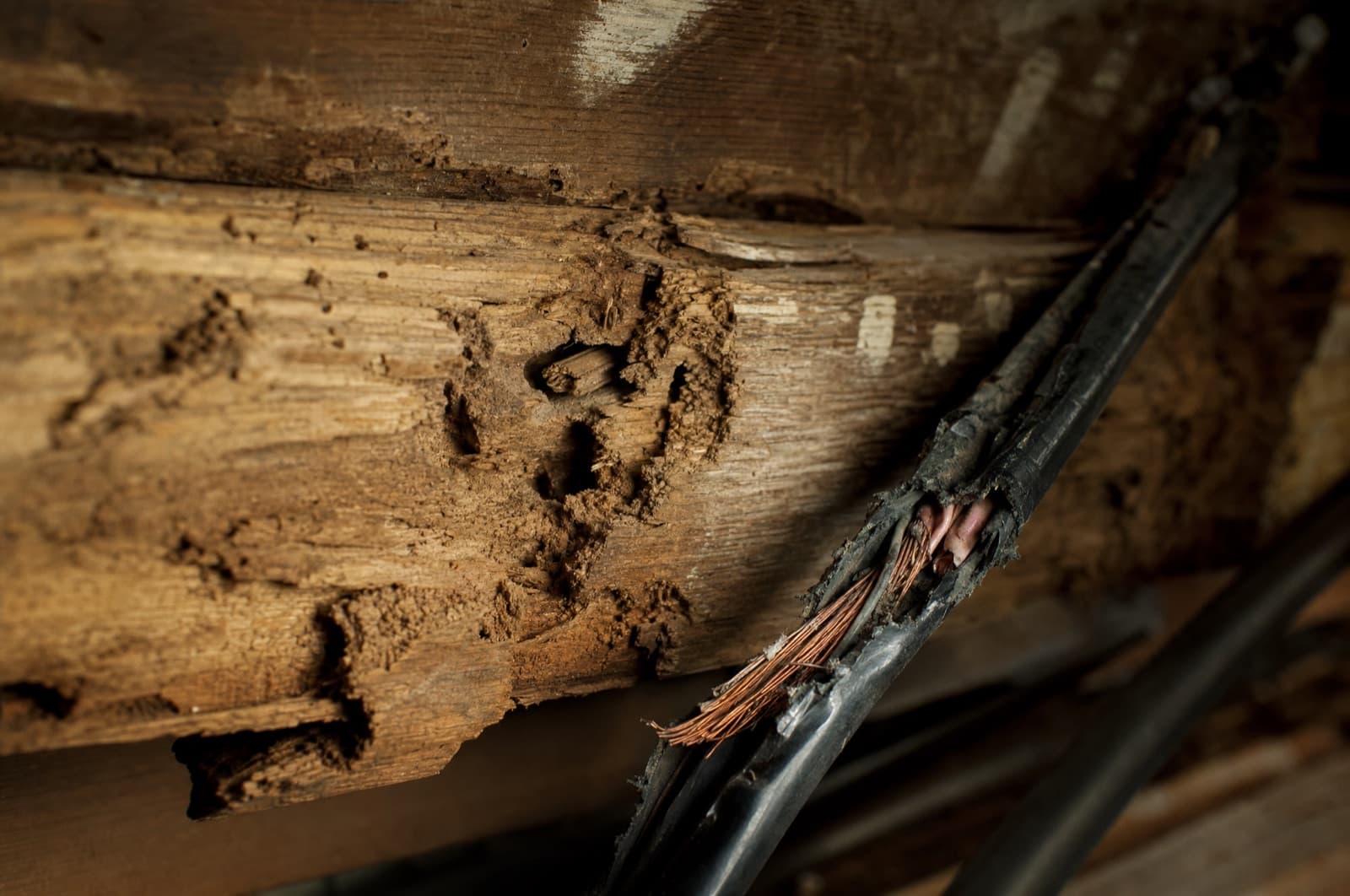
Pest damage evidence — a gnawed structural beam and a chewed electrical wire
Daniel Brady · NH-Licensed Pesticide Applicator · License #782664
Reviewed by Daniel Brady

Why is pest prevention cheaper than repairs?

Documented for structural pests — oversold as a universal law
For pests that genuinely compound into structural damage — termites, carpenter ants, wood-borers — prevention is cheaper than repair because it keeps the fix in the pest-resolution lane instead of escalating to a licensed-contractor structural rebuild, and because standard homeowners insurance won't cover the damage either way. But the claim is oversold when applied universally: for pests that cause no property damage at all, like bed bugs structurally or fall nuisance invaders, there is no repair to avoid, so the prevention-versus-repair math the marketing implies simply doesn't exist for them.

At a glance

  • Hype: Overstated
  • Evidence: Plausible, under-documented
  • Who fixes it: Pest pro first
The honest answer

The short of it

The verdict
Documented for structural pests — oversold as a universal law

Prevention genuinely beats repair for pests that compound into real structural damage, like termites and carpenter ants — but 'prevention always saves you money' is the industry's favorite unfalsifiable line, and it simply doesn't apply to pests that cause no damage at all.

The correction

What they claim vs. what the evidence supports

One shared severity track, two markers. The span between them is the hype delta — named out loud.

The claim — the claim that pest prevention always saves money, universally, across every pest

That preventive pest service always pays for itself by avoiding future repair costs — a blanket rule applied to justify recurring service regardless of which pest is actually present.

Where the claim comes from: Pest-company sales copy that uses the prevention-is-cheaper line as an unfalsifiable, universal justification for any service contract.

Severity, 0–100
Hype says85
60Evidence says
Hype delta25point gapPlausible, under-documented
The evidence

The EPA recognizes IPM-based prevention as effective and cost-efficient, and for structural pests specifically, early resolution genuinely limits repair scope before it reaches contractor-level structural work — while standard homeowners insurance excludes the damage regardless, making avoided damage a real avoided owner cost. But this logic depends entirely on the pest actually being capable of compounding into damage. For pests with no structural mechanism at all, the 'prevention saves repair cost' framing has nothing to attach to.

The gap

True where damage genuinely compounds — invented as a universal law. No-damage pests have no repair to avoid, so telling a homeowner prevention 'saves them money' on a pest that was never going to damage anything is the exact overreach this page corrects.

Repair scope

Who actually fixes this

Scope, not dollars — the honest answer to “how expensive is it,” routed to the right trade.

Who fixes it
Pest pro first
Effort
A trade visit

The entire honest case for prevention rests on keeping a structural pest in the pest-resolution lane before it escalates to a contractor-level project — which is exactly what early, ongoing pest management is meant to do.

The right order
  1. 1
    Identify whether the pest in question is genuinely capable of compounding into structural or functional damage
  2. 2
    For structural pests, maintain regular pest-professional monitoring and resolve activity early
  3. 3
    If prevention was skipped and damage has compounded, route the structural repair to a licensed contractor separately from the pest treatment
Route by symptom
  • Licensed contractorYears of unaddressed termite or carpenter-ant activity have already produced genuine structural loss — the exact outcome prevention is meant to avoid
  • You — wipe it upThe pest in question causes no property damage at all (a nuisance invader, a resolved bed bug history) — there is no repair-avoidance case to make here, honestly
Do not
  • Don't accept 'prevention always saves you money' as a blanket justification for service on every pest — ask specifically whether the pest in question can actually cause damage
  • Don't wait for a structural pest to become an obvious problem before starting prevention — by the time it's obvious, the cheaper window has often already closed
Where we help — and where we don't

Anchor provides the ongoing monitoring and early resolution that genuinely limits structural pest damage — termites, carpenter ants, rodent exclusion. We won't claim prevention 'saves you money' against a pest with no damage mechanism; that claim doesn't hold, and we'd rather say so than oversell a service contract.

Economics

What it does to value

Whether spending on prevention now genuinely avoids a larger cost later, across pests generally.

Documented
What is documented

For structural pests, the logic holds up well. The EPA states that IPM-based prevention methods 'can be very effective and cost-efficient,' and early detection keeps termite or carpenter-ant activity in the pest-resolution lane rather than letting it reach the years-long point where a licensed-contractor structural rebuild is needed. That case is reinforced by the insurance reality documented elsewhere in this cluster: because standard homeowners policies exclude vermin, rodent, and insect damage as preventable maintenance, the entire cost of NOT preventing structural pest damage falls on the owner with no insurance backstop — which is the single strongest, most honest argument FOR prevention in this whole cluster.

Just a talking point

'Prevention is always cheaper than repair,' stated as a universal law rather than a conditional one. As stated, the claim is unfalsifiable — it can't be disproven for any individual home, which is exactly why it's such a durable sales line. The honest scope is narrower: it holds where a real compounding structural pathway exists, and it simply does not apply where the pest causes no property damage in the first place, because there is no future repair cost to have avoided.

Disclosure

This framing matters for a home sale too — a documented history of preventive termite and carpenter-ant management is a genuine asset in a real-estate transaction, while claiming a preventive service 'saved' a homeowner money against a pest like bed bugs, which causes no structural damage, misrepresents what prevention actually accomplished.

Insurance

Because standard homeowners policies exclude vermin, rodent, and insect damage as preventable maintenance, a homeowner facing structural pest damage has no insurance claim to fall back on — the full repair cost is theirs. That's precisely why prevention's honest case is strongest for structural pests: there's no safety net behind the alternative.

EPA — Integrated Pest Management Principles; CDC — IPM; ISO HO-3 exclusion language (Texas DOI); University of Missouri Extension / Penn State Extension — termite damage timescale

In depth

The full picture

01

Where the claim genuinely holds up

For pests that follow a real compounding structural pathway — subterranean termites, carpenter ants, wood-boring beetles — the prevention-versus-repair logic is sound and well grounded. The EPA recognizes integrated pest management's emphasis on monitoring and early correction as effective and cost-efficient. And this cluster's own research shows termite and carpenter-ant damage takes months to years to become extensive, which means early resolution genuinely keeps the fix in a smaller, pest-professional-led scope rather than letting it reach a licensed-contractor structural rebuild years down the line. That's a real, documented case for prevention — not a sales exaggeration.

02

The reinforcing fact: there's no insurance safety net either

The case for prevention gets stronger once you factor in this cluster's flagship insurance correction: standard homeowners policies exclude vermin, rodent, and insect damage as preventable maintenance. That means a homeowner who skips prevention and lets structural pest damage develop has no claim to file — the entire repair falls on them, at whatever scope it's reached. Put together, that's the strongest honest version of 'prevention is cheaper': not because of a specific dollar comparison, but because the alternative carries zero insurance backstop and a materially larger repair scope.

03

Where the claim is oversold — and why this page won't just endorse it

Here is the part a purely sales-oriented answer would skip: 'prevention is always cheaper than repair,' stated as a universal rule, is unfalsifiable. It can be said about any pest, in any circumstance, because it can never be disproven for an individual home — which is exactly the quality that makes it such a durable and overused sales line. The honest test is narrower and more useful: does this specific pest have a genuine mechanism for causing property damage? For bed bugs, which cause no structural damage at all (see this cluster's dedicated page), there is no future repair cost that prevention could have avoided — the 'savings' argument simply has nothing to attach to. The same goes for fall nuisance invaders like cluster flies, which cause zero property damage regardless of when or whether they're addressed.

04

The honest version, pest by pest

So the real answer isn't a single yes or no — it's a conditional one, applied honestly. For termites, carpenter ants, and other genuine structural pests, prevention holds up: it keeps a slow but real compounding problem from reaching a much larger repair scope, and it does so with no insurance backstop working against you if you skip it. For pests that cause no damage — bed bugs structurally, most fall nuisance invaders, spiders, ticks — there is no repair to prevent, and any pitch that implies otherwise is stretching a real, narrower truth into a universal one it was never meant to cover.

Key takeaways
5 points
  • The claim is genuinely well supported for structural pests: termites and carpenter ants compound slowly, and early resolution keeps repair scope smaller.
  • Standard homeowners insurance excludes pest/vermin damage — there's no claim to fall back on if prevention is skipped, which is the strongest honest case for it.
  • 'Prevention always saves money' stated as a universal law is unfalsifiable and oversold — it's a sales line, not a measured result.
  • For pests that cause no property damage at all (bed bugs structurally, fall nuisance invaders), there is no future repair cost to have avoided.
  • The honest answer is conditional: ask whether THIS pest can actually damage the structure before accepting the prevention-saves-money pitch.

Prevention that's honest about which pests it actually helps with.

Anchor focuses preventive service where it genuinely avoids a bigger repair — structural pests, not every insect that shows up.

Follow-up questions

Frequently asked

Sources & citations(5)
  1. EPA — Integrated Pest Management Principles

    IPM-based prevention recognized as effective and cost-efficient

    govverified 2026-07-16
  2. CDC — What Is Integrated Pest Management

    IPM framework emphasis on prevention and early correction

    govverified 2026-07-16
  3. Texas Department of Insurance — Five Things Your Home Policy Won't Cover

    Standard ISO HO-3 exclusion of vermin/rodent/insect damage — the insurance reality reinforcing the prevention case

    govverified 2026-07-16
  4. University of Missouri Extension — Subterranean Termites (G7420)

    Termite damage timescale — the compounding structural pathway prevention genuinely addresses

    extensionverified 2026-07-16
  5. Penn State Extension — Eastern Subterranean Termites

    Extensive termite damage typically takes a number of years, reinforcing the value of early prevention

    extensionverified 2026-07-16

Written & reviewed by

Verified

Daniel Brady

NH-Licensed Pesticide Applicator · License #782664 (NHDAMF, RSA 430)

Daniel Brady is the New Hampshire–licensed applicator behind Anchor Pest Services, a family-owned pest control company serving the Manchester area since 2017.

Verify license

Last updated Jul 2026

Honest pest help for New Hampshire homes

We Won't Sell Prevention Against a Pest That Can't Damage Anything.

Anchor's preventive service is built around the pests that genuinely compound into structural or functional damage — termites, carpenter ants, rodents. We'll tell you plainly when a pest doesn't carry that risk, rather than selling prevention as a universal rule. Family-owned since 2017, NH license #782664, serving Manchester, Nashua, Concord and nearby towns.

  • Honest scope — prevention pitched only where the evidence supports it
  • NH-licensed applicators (#782664) — free inspection, same-day service
  • Structural pest prevention across southern and central New Hampshire

NH License #782664 · No obligation · We answer in person