
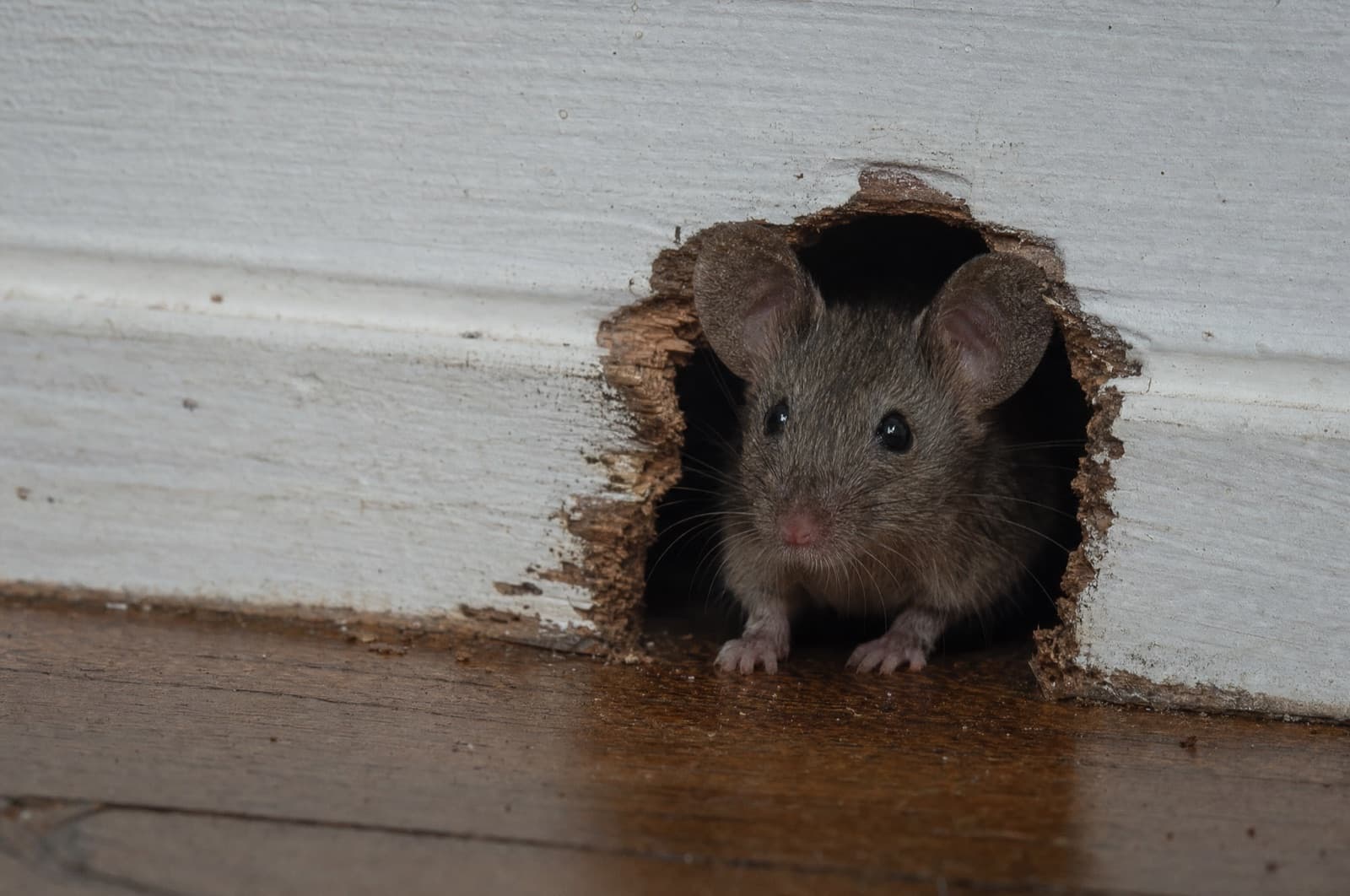
Can Rats Make Pets Sick?
At a Glance
- Short answer: Yes — leptospirosis, spread through rat urine, is the main risk to dogs and cats.
- Key fact: CDC: "Almost every dog is at risk of leptospirosis, whether they live in the country, suburbs, or city."
- NH relevance: Norway rats are established in New Hampshire's cities and towns, so any pet with outdoor access near structures or waterways has some exposure risk.
- Action needed: If your pet may have contacted a rat or rat urine and seems unwell, contact your veterinarian — don't attempt home diagnosis.
The short of it
Rats are a classic reservoir for Leptospira bacteria, which they shed in their urine. Dogs, and less commonly cats, can be infected through contaminated water, soil, or direct contact with an infected rodent. CDC states almost every dog is at risk of leptospirosis, whether it lives in the country, suburbs, or city. Rats can also carry rat-bite-fever bacteria and salmonella that affect animals. Because symptoms are nonspecific and overlap with many other illnesses, the right move is always a veterinary consultation — never home diagnosis or DIY treatment.
Can Rats Make Pets Sick — By the Numbers
Weeks–months
How long Leptospira can survive in water or soil
Dogs only
Species with a leptospirosis vaccine available (not cats)
0
Vaccine strains it covers completely — exposure control still matters
Diseases rodents can carry
Leptospirosis is the disease CDC most directly links between rats and pets, but rats can carry other pathogens that affect animals too.
Leptospirosis
Moderate riskLeptospira bacteria
Contact with infected rat urine, or contaminated water/soil
Source: CDC
Rat-bite fever
Moderate riskStreptobacillus moniliformis / Spirillum minus
Bites, scratches, or contact with rat saliva/urine
Source: CDC
Salmonellosis
Low riskSalmonella bacteria
Ingesting bacteria from rat droppings or contaminated surfaces
Source: CDC
Bottom line — Leptospirosis is the disease most specifically documented as a rat-to-pet risk. If your dog or cat may have been exposed and shows any signs of illness, see your veterinarian — don't wait or self-diagnose.
The full picture
Why leptospirosis is the main concern
CDC states that leptospirosis "can affect people and animals, including pets, farm animals, rodents, wild animals," and that the bacteria can contaminate water or soil, "where it can survive for weeks to months." Dogs are considered broadly at risk — CDC's language is direct: "Almost every dog is at risk of leptospirosis, whether they live in the country, suburbs, or city." Cats are less commonly affected, but outdoor cats that hunt or encounter infected rodents face elevated risk.
What infected pets may show — and why home diagnosis doesn't work
Infected dogs may vomit, become dehydrated, or develop back pain associated with kidney involvement, but these signs are nonspecific and overlap with many other illnesses. A leptospirosis vaccine is available for dogs in the United States (none is currently available for cats), but it doesn't protect against every strain of the bacteria, so exposure control still matters even in vaccinated dogs. Because clinical signs can't reliably distinguish leptospirosis from other conditions on sight, the only responsible path is a veterinary evaluation — not a home checklist or wait-and-see approach.
Other rat-linked risks to pets
Beyond leptospirosis, rats can carry rat-bite-fever bacteria and salmonella that can affect animals as well as people. It's also worth noting the reverse risk: it's rare but possible for a person to contract leptospirosis from an infected pet's urine, which is one more reason to wear gloves when cleaning up after a pet that may have been exposed and to see your own doctor if you develop symptoms.
Bottom line — Rats can make pets sick, primarily through leptospirosis spread in their urine. If your dog or cat may have contacted a rat or rat urine and shows any signs of illness, contact your veterinarian promptly — don't attempt home diagnosis or treatment.
Rats near your yard or home?
Protect your pets and family by keeping rats out in the first place. Anchor's licensed NH technicians find and seal entry points and remove active populations.
Why this matters in New Hampshire
Norway rats are established across New Hampshire's cities and towns, which means pets with outdoor access near foundations, sheds, woodpiles, or waterways carry some baseline exposure risk. Keeping rodents out of the yard and home — sealing entry points, removing food and water attractants, and using professional exclusion where needed — protects pets and people alike.
Key local data
UNH Cooperative Extension: Norway rats are commonly found in New Hampshire's urban and town settings.
- NH-licensed applicator · #782664
- Same-day service
- Family-owned since 2017
Service Area Map
Southern New Hampshire
Frequently asked
Sources (3)
- [1]
- [2]
- [3]
Written & reviewed by
VerifiedDaniel Brady
NH-Licensed Pesticide Applicator · License #782664 (NHDAMF, RSA 430)
Daniel Brady is the New Hampshire–licensed applicator behind Anchor Pest Services, a family-owned pest control company serving the Manchester area since 2017.
Professional Rodent Control
Fewer Rats Means Fewer Risks to Your Pets
Leptospirosis risk to pets rises wherever rats are active. Anchor Pest Services finds entry points, removes the rats already inside, and helps keep them from coming back. Family-owned since 2017, NH license #782664.
- Same-day service across southern NH
- NH-licensed applicators (#782664)
- Free inspection — no flat-price guesswork
NH License #782664 · No obligation · We answer in person
Your next step
- Book a NH pro
Rodent Control
Book now - Next step
How can I tell if I have rodents in my walls during winter?
Read the answer - Related guide
What Diseases Can Rats Spread?
Read the answer - Related guide
What Is the Safest Way to Dispose of a Dead Rat?
Read the answer - Related guide
How Do I Clean Rat Droppings Without Getting Sick?
Read the answer - Related guide
What Diseases Can Rats Spread?
Read the answer