
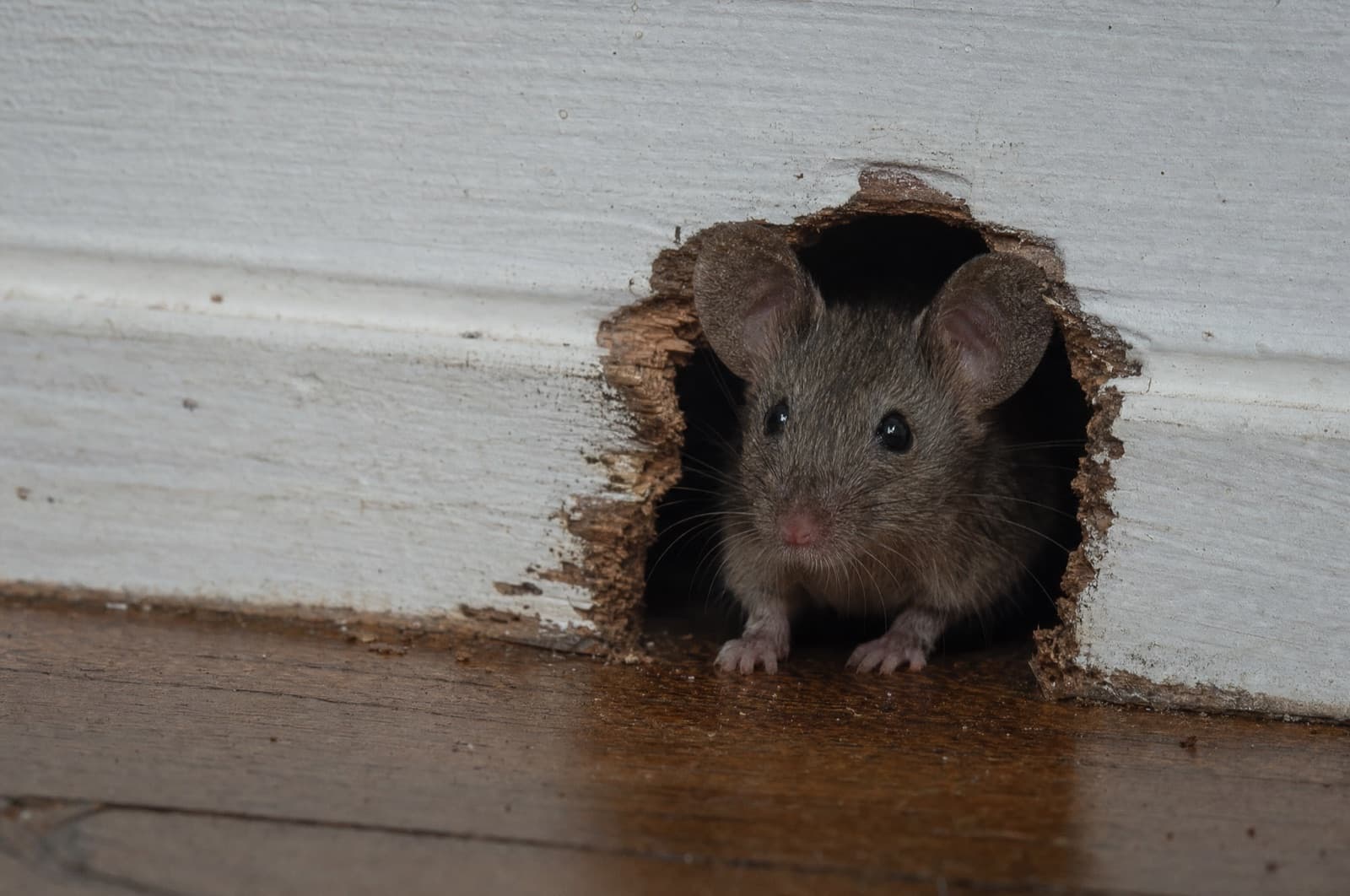
What Diseases Can Rats Spread?
At a Glance
- Short answer: Leptospirosis, salmonellosis, and rat-bite fever are the three CDC-documented rat diseases; fleas and ticks add indirect risk.
- Key fact: CDC: rat-bite fever 'must be treated quickly, or it can cause severe illness and possibly death.'
- NH relevance: Norway rats are established in New Hampshire towns and cities, so exposure risk exists wherever rat activity occurs, not just in rural areas.
- Action needed: See a healthcare provider for any fever, rash, jaundice, or joint pain following rat exposure — don't wait or self-diagnose.
The short of it
CDC identifies rats as reservoirs for leptospirosis (bacteria shed in urine), salmonellosis (ingested bacteria from droppings or contaminated surfaces), and rat-bite fever (from bites, scratches, or contact with saliva or urine). Rats also carry fleas, ticks, and mites that can transmit other diseases indirectly. Hantavirus, by contrast, is primarily linked to deer mice in the U.S., not rats. Any fever, rash, jaundice, or joint pain following rat exposure warrants prompt medical care — never self-diagnosis.
What Diseases Can Rats Spread — By the Numbers
2–30 days
Typical time to leptospirosis symptom onset
6 hrs–6 days
Salmonellosis symptom onset window
3–10 days
Typical rat-bite fever symptom onset (up to 21 days)
Diseases rodents can carry
Three diseases are the CDC-documented rat-to-human risks. Hantavirus, sometimes lumped in with 'rodent diseases,' is included here only to clarify that its U.S. reservoir is the deer mouse, not the rat.
Leptospirosis
Moderate riskLeptospira bacteria
Contact with infected rat urine, or water/soil contaminated by it
Source: CDC
Salmonellosis
Low riskSalmonella bacteria
Ingesting bacteria from droppings or contaminated surfaces/food
Source: CDC
Rat-bite fever
Moderate riskStreptobacillus moniliformis / Spirillum minus
Bites, scratches, or contact with saliva or urine — even without a bite
Source: CDC
Hantavirus (HPS)
Low riskHantavirus
Not primarily rat-linked in the U.S. — deer mice are the reservoir species
Source: CDC
Bottom line — Leptospirosis, salmonellosis, and rat-bite fever are the three diseases CDC most directly links to rats. See a doctor for any fever, rash, jaundice, or joint pain after rat exposure — these conditions share overlapping symptoms and shouldn't be self-diagnosed.
The full picture
Leptospirosis
Leptospirosis is caused by Leptospira bacteria spread in infected animals' urine, which can survive in water or soil for weeks to months. CDC says it "generally takes 2-30 days to get sick," with symptoms ranging widely — fever, chills, headache, muscle aches, vomiting — and a severe second phase that can bring kidney or liver failure or meningitis. CDC's guidance is direct: "If you think you may have leptospirosis, see a healthcare provider right away."
Salmonellosis
Salmonellosis is a bacterial infection people get by ingesting germs from droppings, contaminated surfaces, or food. CDC lists watery diarrhea (sometimes with blood or mucus), stomach cramps, and sometimes headache, nausea, vomiting, or loss of appetite. Symptoms "usually start 6 hours to 6 days after infection and usually last 4 to 7 days."
Rat-bite fever
Rat-bite fever (RBF) spreads "through scratches, bites, or contact with a rodent's saliva or pee" — infection is possible even without an actual bite. In North America, symptoms typically include fever, vomiting, headache, and muscle pain, with about half of cases developing joint pain and three in four a rash, appearing 3 to 10 days after exposure. CDC warns RBF "must be treated quickly, or it can cause severe illness and possibly death."
Fleas, ticks, and mites — and what's not a rat disease
Rats also carry fleas, ticks, and mites capable of spreading additional diseases indirectly. One clarification worth making explicit: hantavirus, often grouped with 'rodent diseases,' is not primarily a rat-transmitted illness in the United States — the deer mouse is the documented U.S. reservoir species for the hantavirus that causes hantavirus pulmonary syndrome.
Bottom line — Rats are documented reservoirs for leptospirosis, salmonellosis, and rat-bite fever, plus indirect risk from fleas, ticks, and mites. Any fever, rash, jaundice, or joint pain after rat exposure warrants prompt medical care and disclosure of the exposure — never self-diagnosis.
Signs of rats in your home?
Every day rats stay active is another day of disease exposure risk. Anchor's licensed NH technicians find and seal entry points and remove active populations.
Why this matters in New Hampshire
Norway rats are present in New Hampshire's cities and towns, so the diseases above are relevant risks wherever rat activity occurs — basements, sheds, near waterways, and around food storage — not only in rural settings. New Hampshire's hantavirus risk, by contrast, traces specifically to deer mice, not rats.
Key local data
UNH Cooperative Extension: Norway rats are commonly found in New Hampshire's cities and towns; NH DHHS reports no confirmed hantavirus case acquired in New Hampshire to date.
- NH-licensed applicator · #782664
- Same-day service
- Family-owned since 2017
Service Area Map
Southern New Hampshire
Frequently asked
Sources (7)
- [1]
- [2]
- [3]
- [4]
- [5]CDC — About Hantavirus(2024)
- [6]
- [7]
Written & reviewed by
VerifiedDaniel Brady
NH-Licensed Pesticide Applicator · License #782664 (NHDAMF, RSA 430)
Daniel Brady is the New Hampshire–licensed applicator behind Anchor Pest Services, a family-owned pest control company serving the Manchester area since 2017.
Professional Rodent Control
The Best Disease Prevention Is Fewer Rats
Leptospirosis, salmonellosis, and rat-bite fever risk all rise the longer rats stay active in your home. Anchor Pest Services finds entry points, removes rats already inside, and helps keep them out. Family-owned since 2017, NH license #782664.
- Same-day service across southern NH
- NH-licensed applicators (#782664)
- Free inspection — no flat-price guesswork
NH License #782664 · No obligation · We answer in person
Your next step
- Book a NH pro
Rodent Control
Book now - Next step
Rodent Mites After Mice or Rats Are Removed
Read the answer - Related guide
Can Rats Make Pets Sick?
Read the answer - Related guide
How Do I Clean Rat Droppings Without Getting Sick?
Read the answer - Related guide
What Is the Safest Way to Dispose of a Dead Rat?
Read the answer - Related guide
What Health Risks Do Mice Pose to Humans?
Read the answer