
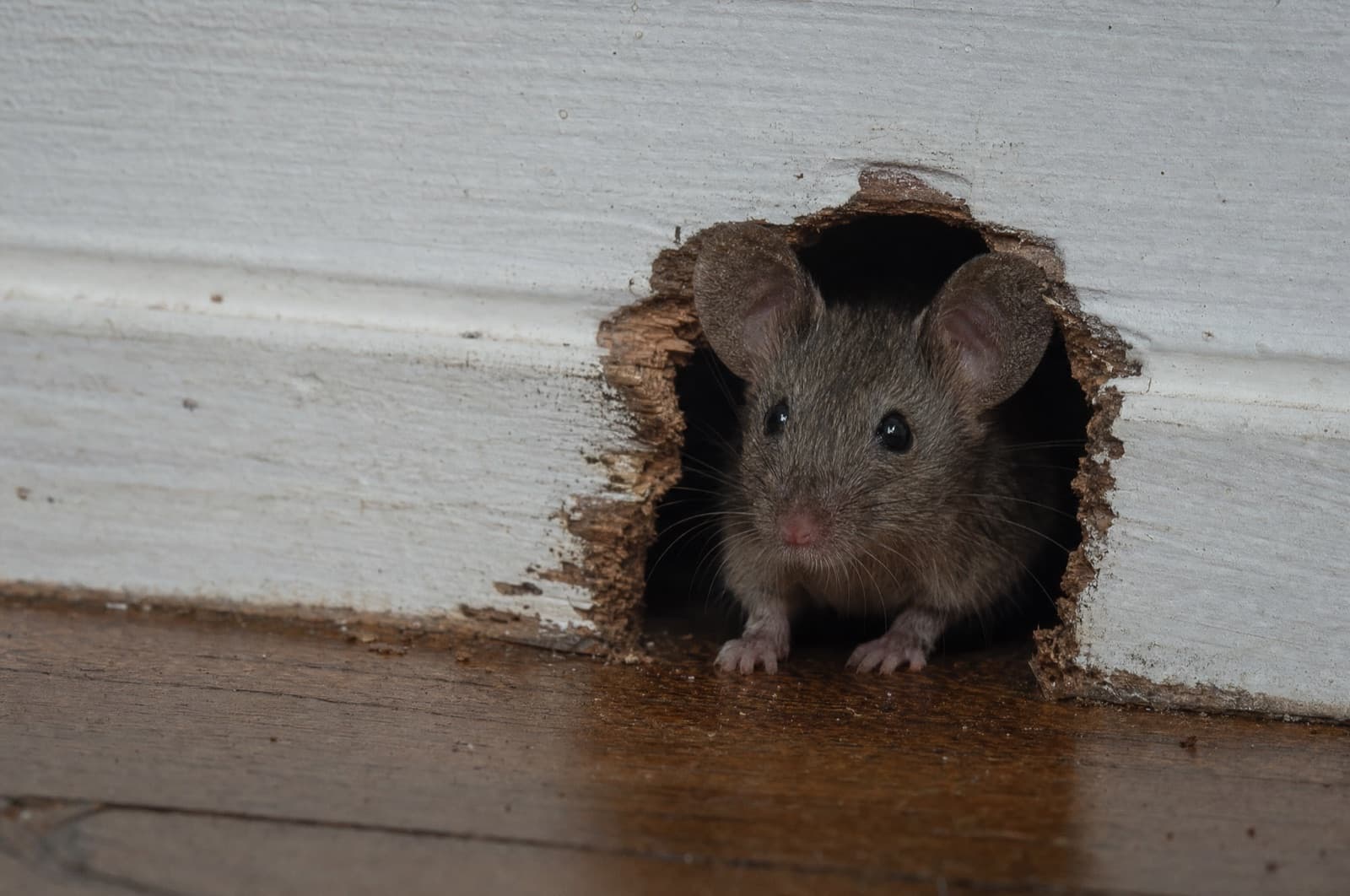
How Do I Get Rid of Rats in a Car Engine?
At a Glance
- Short answer: Physical prevention (sealing, decluttering, moving the car) works; scent and ultrasonic gadgets mostly don't.
- Key fact: Chewed engine wiring is a documented fire and safety hazard, not just an inconvenience.
- NH relevance: Cold-weather nesting in engine bays peaks in NH garages during the coldest months.
- Action needed: Clear garage food/clutter, seal garage gaps, and have chewed wiring inspected before driving.
The short of it
Rats and mice nest in warm engine bays, mostly in cold months, and chewed wiring is a genuine fire and safety hazard — not a cosmetic nuisance. The measures that reliably work are physical: clearing food and nesting material from the garage, sealing garage gaps, moving the car regularly so it never sits as a quiet den, and honking before starting to scare off a resting rodent. Popular deterrents marketed for engine bays — peppermint-soaked cloths, ultrasonic devices — have weak or no credible evidence behind them and shouldn't be relied on as your primary defense.
How Do I Get Rid of Rats in a Car Engine — By the Numbers
Weak
Evidence quality for peppermint and ultrasonic engine-bay deterrents
Physical
The category of prevention that's actually reliable
1 habit
Honking before starting can scare off a resting rodent
Fire risk
Documented consequence of chewed engine wiring
The honest efficacy verdict
Peppermint sprays / cotton balls and ultrasonic devices in a car engine bay
LowWeak evidence at best — rodents habituate to both scent and sound, and coverage inside an engine bay is inconsistent.
Evidence: University extension and consumer-protection reviews, including FTC actions against unsupported ultrasonic-repellent claims, find no credible sustained-effectiveness evidence for these products; scent products fade quickly in an open engine bay.
- Never reliably on its own — treat as, at most, a minor supplement to physical prevention
- Used as the sole deterrent instead of sealing garage gaps and removing food/nesting material
- Left in place long enough for a rodent to habituate to the scent or sound
- Placed near hot or moving engine parts — a genuine fire/safety risk on top of being ineffective
The full picture
Why engine bays attract rodents
Rodents seek out the warm, sheltered space around an engine and gnaw wiring, insulation, and hoses — damage that can range from a chewed harness to a genuine fire risk or disabled brakes and airbags. This risk climbs in cold months, when a parked engine bay offers shelter that outdoor habitat doesn't.
What actually works: physical prevention
Consumer Reports, citing its chief mechanic, recommends removing food and nesting materials from the garage, sealing gaps around garage doors and windows with weather stripping, keeping the car's interior free of food wrappers, and moving the vehicle regularly so it never sits long enough to become a stable den. Honking the horn before starting can scare off a rodent that's resting in the engine bay before you turn the key — a small habit with a real safety upside.
Be skeptical of scent and ultrasonic deterrents
Peppermint-soaked cloths and ultrasonic repeller gadgets are widely marketed for engine bays, but university extension and consumer-protection reviews — including FTC action against unsupported ultrasonic-repellent claims — find no credible sustained evidence they work. Rodents habituate to both scent and sound over time, and coverage inside an irregularly shaped engine bay is inconsistent at best. A safety note: never leave repeller gadgets, foil, or scented items near hot or moving engine parts, and don't run battery-powered devices that could drain or short the vehicle's electrical system.
If you find a nest
Follow CDC vehicle-cleanup guidance rather than vacuuming, which can aerosolize pathogens from droppings and nesting material — spray with disinfectant, let it soak, wear gloves, and replace the air filter if the intake is fouled. Have any chewed or exposed wiring professionally assessed before driving; don't treat it as a wait-and-see issue given the fire and brake/airbag risk.
Bottom line — Physical prevention — clearing garage harborage, sealing garage gaps, moving the car, and honking before starting — is what reliably works. Peppermint and ultrasonic products have weak evidence and shouldn't be your primary defense, and chewed wiring needs a professional look before you drive.
Rodents nesting in a garage or vehicle?
Anchor's licensed NH technicians handle the physical exclusion that actually keeps rodents out of garages and engine bays — no gadgets, no guesswork.
Why this matters in New Hampshire
Engine-bay nesting in NH garages peaks in the coldest stretch of the year, ramping up as Manchester's first hard frost approaches — about October 19 at 50% probability, October 29 at 80% (NOAA 1991–2020) — and outdoor rodents look for the warmest available shelter. A garage that's sealed and decluttered before that seasonal push protects both the vehicle and the structure it's parked in.
Key local data
UNH Cooperative Extension: Norway rats are commonly found in New Hampshire's urban and town settings.
- NH-licensed applicator · #782664
- Same-day service
- Family-owned since 2017
Service Area Map
Southern New Hampshire
Frequently asked
Written & reviewed by
VerifiedDaniel Brady
NH-Licensed Pesticide Applicator · License #782664 (NHDAMF, RSA 430)
Daniel Brady is the New Hampshire–licensed applicator behind Anchor Pest Services, a family-owned pest control company serving the Manchester area since 2017.
Professional Rodent Control
Skip the Gadgets — Fix the Garage
Peppermint and ultrasonic devices have weak evidence. Anchor Pest Services seals garage entry points and clears harborage so your vehicle stops being an inviting den. Family-owned since 2017, NH license #782664.
- Same-day service across southern NH
- NH-licensed applicators (#782664)
- Free inspection — no flat-price guesswork
NH License #782664 · No obligation · We answer in person
Your next step
- Book a NH pro
Rodent Control
Book now - Next step
Do rodents nest in walls during autumn?
Read the answer - Related guide
Can Mice Live in Cars?
Read the answer - Related guide
How Do I Eliminate Mice From a Garage?
Read the answer - Related guide
Do Electronic Ultrasonic Repellents Work on Rats?
Read the answer - Related guide
Can Mice Live in Cars?
Read the answer