
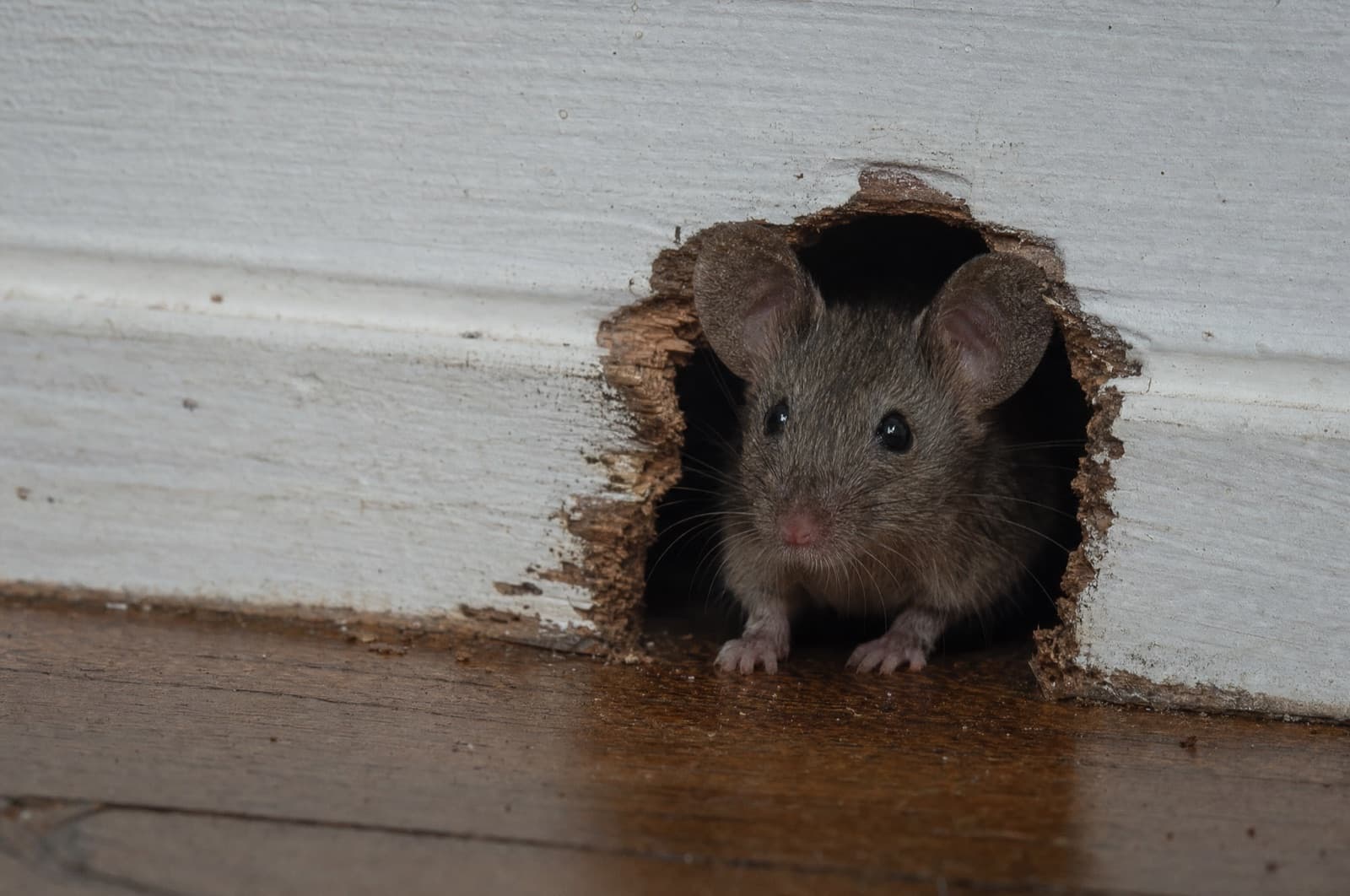
How Often Should I Check Traps for Mice?
At a Glance
- Short answer: Once daily minimum for kill traps; at least twice daily for live-catch and glue traps.
- Key fact: The CDC states: check traps daily and immediately dispose of any dead rodents.
- NH relevance: NH summers can bring a dead mouse to noticeable decay within 24–48 hours — check twice daily in warm weather.
- Action needed: Set a daily (or twice-daily) checking routine and reset or replace sprung, occupied, or depleted traps immediately.
The short of it
The CDC's trapping guidance is explicit: check traps daily and immediately dispose of any dead rodents. For kill traps (snap and electronic), once-daily checking removes carcasses before they decay and keeps bait fresh. For live-catch traps, a trapped mouse has no food or water, so welfare-minded guidance calls for checks at least twice daily — ideally morning and evening. Glue traps, since they catch animals alive, need the same twice-daily minimum. In warm weather, check everywhere twice daily, since decay and odor set in faster.
How Often Should I Check Traps for Mice — By the Numbers
Daily
CDC minimum for checking kill traps
6–12 hrs
Recommended interval for live-catch and glue traps
24–48 hrs
Time for a dead mouse to begin decaying/smelling in warm weather
~10 days
Point to escalate to professional inspection if activity persists despite diligent checking
The honest efficacy verdict
Daily-to-twice-daily trap-checking schedule
WorksA well-supported standard for welfare and effectiveness — the CDC's own guidance, not just industry convention.
Evidence: CDC rodent-trapping guidance directs daily checks and prompt disposal; welfare and trapper-education standards call for at least twice-daily checks on live-catch traps.
- Traps are checked on schedule and caught mice removed promptly
- Bait is refreshed and sprung traps reset the same day
- Traps go unchecked — sprung traps sit idle, carcasses decay and repel mice, live-caught animals suffer without food or water
The full picture
The CDC standard
The CDC's rodent-trapping guidance is explicit: check traps daily and immediately dispose of any dead rodents. For kill traps — snap and electronic — once-daily checking removes carcasses before they decay, keeps bait fresh, and returns sprung traps to service.
Live-catch and glue traps need a higher bar
A live-caught mouse has no food or water and experiences stress and temperature exposure, so welfare-minded guidance calls for checks at least twice daily — ideally morning and evening — and disabling live traps in freezing or extreme-heat conditions when they can't be monitored that often. The broader welfare principle, taught in trapper-education programs, is that animals should spend as little time as possible in a trap, checked at first light since most rodents are nocturnal. Glue traps catch mice alive and require the same twice-daily minimum if used at all.
Odor and effectiveness
In warm conditions a dead mouse can begin to smell within a day or two, and a decaying carcass repels other mice and attracts flies and beetles — so in New Hampshire summers, check twice daily in active areas. Checking also maintains effectiveness: every sprung, occupied, or bait-depleted trap is out of action until serviced, so daily rounds keep the whole trap line productive and reveal which locations and baits are working. If activity persists beyond about ten days despite diligent checking, escalate to professional inspection.
Bottom line — Check kill traps at least once daily and live-catch or glue traps at least twice daily. Prompt checking prevents decay odor, protects animal welfare, and keeps every trap in your line actually working.
Keeping up with daily checks isn't realistic for everyone?
Anchor's monitored trapping programs handle scheduled checks, resets, and carcass removal for you.
Why this matters in New Hampshire
NH's humid summers accelerate decay, so a trap left unchecked for a few days in July can smell and start repelling other mice well before winter's cooler temperatures would allow. As mice move indoors ahead of the fall frost, a consistent daily-checking habit matters even more, since indoor heat keeps decay moving quickly year-round.
Key local data
NH DHHS: no confirmed hantavirus case acquired in New Hampshire to date; the deer mouse (Peromyscus) is the regional reservoir species.
- NH-licensed applicator · #782664
- Same-day service
- Family-owned since 2017
Service Area Map
Southern New Hampshire
Frequently asked
Sources (3)
- [1]
- [2]
- [3]
Written & reviewed by
VerifiedDaniel Brady
NH-Licensed Pesticide Applicator · License #782664 (NHDAMF, RSA 430)
Daniel Brady is the New Hampshire–licensed applicator behind Anchor Pest Services, a family-owned pest control company serving the Manchester area since 2017.
Professional Rodent Control
Daily Checks, Handled for You
Anchor Pest Services runs monitored trapping programs with scheduled checks and prompt carcass removal, so nothing sits and decays. Family-owned since 2017, NH license #782664.
- Same-day service across southern NH
- NH-licensed applicators (#782664)
- Free inspection — no flat-price guesswork
NH License #782664 · No obligation · We answer in person
Your next step
- Book a NH pro
Rodent Control
Book now - Next step
Rodent Mites After Mice or Rats Are Removed
Read the answer - What to do next
How to Use Catchmaster Mouse & Insect Glue Traps
Read the answer - Related guide
Are Glue Traps Effective for Mice?
Read the answer - Related guide
Are Electronic Traps Better Than Snap Traps for Mice?
Read the answer - Related guide
What Is the Best Bait for Mouse Traps?
Read the answer