
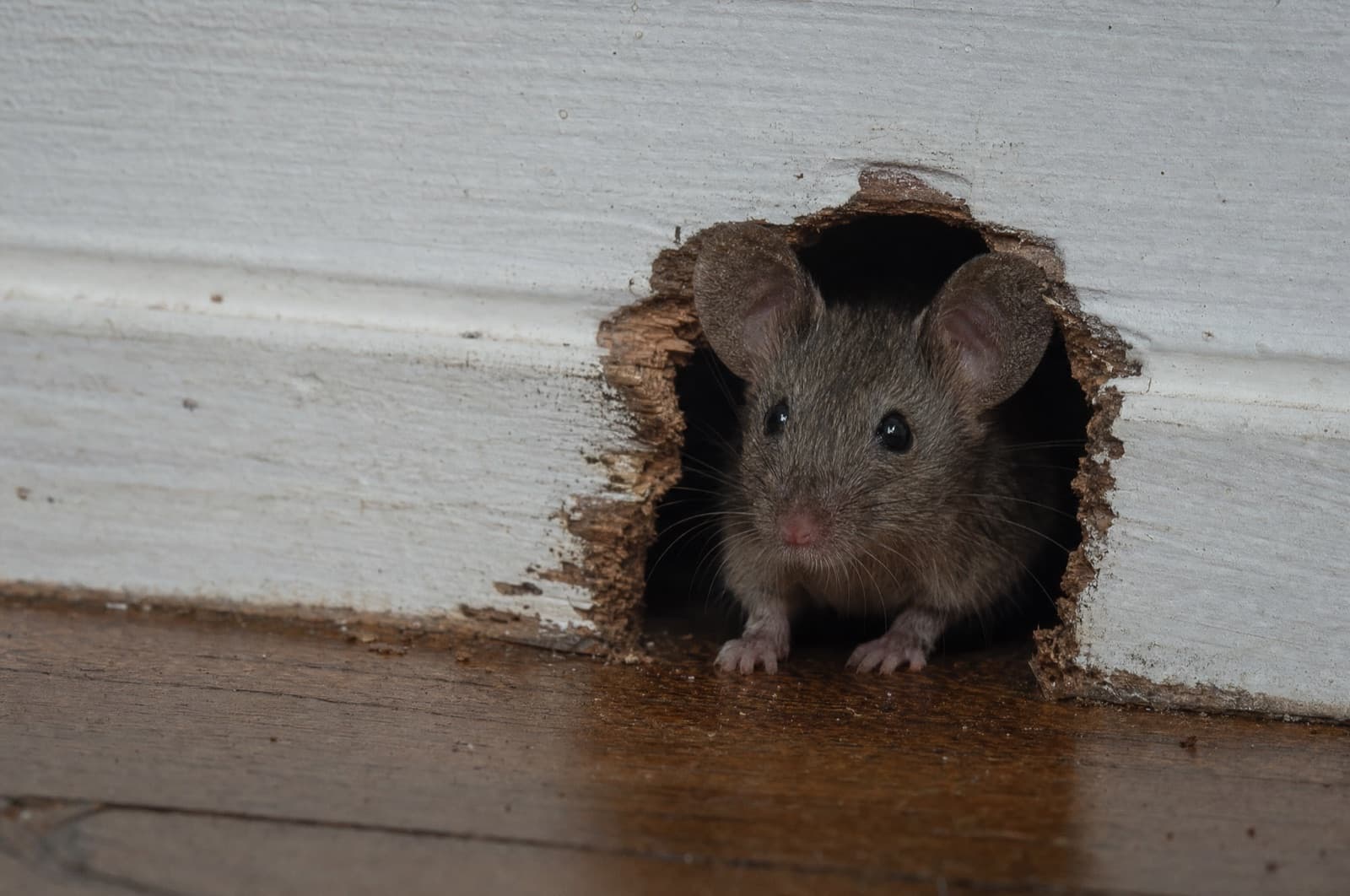
Are Glue Traps Effective for Mice?
At a Glance
- Short answer: They catch mice, but rate low on welfare and reliability grounds — snap or electronic traps are generally preferable.
- Key fact: The CDC advises against glue traps because a frightened, trapped rodent often urinates, raising disease-exposure risk.
- NH relevance: No statewide NH ban exists as of 2026, but glue traps are restricted in several countries and the professional trend favors snap/electronic traps.
- Action needed: If used at all, check at least twice daily; prefer a correctly-placed snap or electronic trap instead.
The short of it
Glue traps are technically effective at capturing mice, so in the narrowest sense they 'work.' But on any honest accounting the drawbacks dominate: a stuck mouse isn't killed quickly and can suffer for hours to days, the CDC specifically advises against them because a frightened, trapped rodent often urinates and can increase disease-exposure risk, they catch non-target animals like birds and lizards, and their adhesive loses effectiveness in dust or temperature extremes. Several countries restrict or ban them, and a U.S. federal bill has been introduced (not enacted). Anchor recommends correctly-placed snap or electronic traps instead.
Are Glue Traps Effective for Mice — By the Numbers
Hours–days
How long a mouse can suffer stuck on a glue trap
2x daily
Minimum checking frequency if a glue trap is used at all
5
Countries/regions restricting or banning glue traps (England, NZ, Ireland, Iceland, Victoria/Australia)
CDC
Public-health authority advising against glue traps
Trap types, honestly graded
Glue traps compared honestly against the alternatives most NH homeowners consider.
Glue trap
Best for: Rarely recommended
Technically captures mice but causes prolonged suffering; CDC advises against; catches non-target animals; loses tack in dust/temperature extremes.
Snap trap
Best for: Most situations — the generally preferable choice
Fast, reliable kill when correctly placed; inexpensive and reusable.
Electronic trap
Best for: Low-contact indoor disposal
Fast, contained kill; higher cost, needs dry/warm placement.
Bottom line — Glue traps rate lowest of the three on welfare and reliability. Snap or electronic traps deliver a faster, more humane kill and are Anchor's recommendation.
The full picture
Welfare: prolonged suffering
A stuck mouse is not killed quickly; it can remain trapped for hours to days and, in struggling, may tear its skin or fracture or gnaw at limbs, ultimately dying from stress, dehydration, or suffocation — an outcome animal-welfare authorities and the AVMA describe as inhumane.
Public health and non-target catches
The CDC specifically advises against glue traps because a frightened, trapped rodent often urinates, which can increase disease-exposure risk. Glue is also indiscriminate: songbirds, lizards, and even pets have been caught on glue boards.
Reliability and the regulatory trend
Extension guidance notes glue boards lose tack in dusty areas unless covered, and temperature extremes degrade the adhesive, so real-world performance is inconsistent. Glue traps are banned or license-restricted in England, New Zealand, Ireland, Iceland, and the Australian state of Victoria, and a federal Glue Trap Prohibition Act has been reintroduced in the U.S. (not enacted as of 2026). There is no statewide glue-trap ban in New Hampshire, but the direction of policy and professional practice is away from them.
Bottom line — Glue traps technically catch mice, but they rate low on welfare, public-health, and reliability grounds. Anchor recommends correctly-placed snap or electronic traps instead, plus exclusion to address the source.
Want a faster, more humane result than glue traps?
Anchor's technicians use correctly-placed snap and electronic traps as standard, backed by exclusion work.
Why this matters in New Hampshire
There is no statewide glue-trap ban in New Hampshire as of 2026, so they remain legal to buy and use here. Anchor's licensed technicians still recommend snap or electronic traps as the standard tool, reserving glue traps for narrow situations if ever, and always checking any glue trap in use at least twice daily.
Key local data
No statewide NH glue-trap ban as of mid-2026; several countries and some U.S. localities restrict or ban them
- NH-licensed applicator · #782664
- Same-day service
- Family-owned since 2017
Service Area Map
Southern New Hampshire
Frequently asked
Sources (3)
- [1]
- [2]
- [3]
Written & reviewed by
VerifiedDaniel Brady
NH-Licensed Pesticide Applicator · License #782664 (NHDAMF, RSA 430)
Daniel Brady is the New Hampshire–licensed applicator behind Anchor Pest Services, a family-owned pest control company serving the Manchester area since 2017.
Professional Rodent Control
A Faster, More Humane Alternative to Glue Traps
Anchor Pest Services relies on correctly-placed snap and electronic traps, not glue boards, plus exclusion to stop the problem at its source. Family-owned since 2017, NH license #782664.
- Same-day service across southern NH
- NH-licensed applicators (#782664)
- Free inspection — no flat-price guesswork
NH License #782664 · No obligation · We answer in person
Your next step
- Book a NH pro
Rodent Control
Book now - Next step
Are rodents more likely to breed indoors during winter?
Read the answer - What to do next
How to Use Catchmaster Mouse & Insect Glue Traps
Read the answer - What to do next
How to Use Catchmaster Baited Rat, Mouse & Snake Glue Traps
Read the answer - Related guide
What Is the Most Humane Way to Trap Rats?
Read the answer - Related guide
Are Electronic Traps Better Than Snap Traps for Mice?
Read the answer