
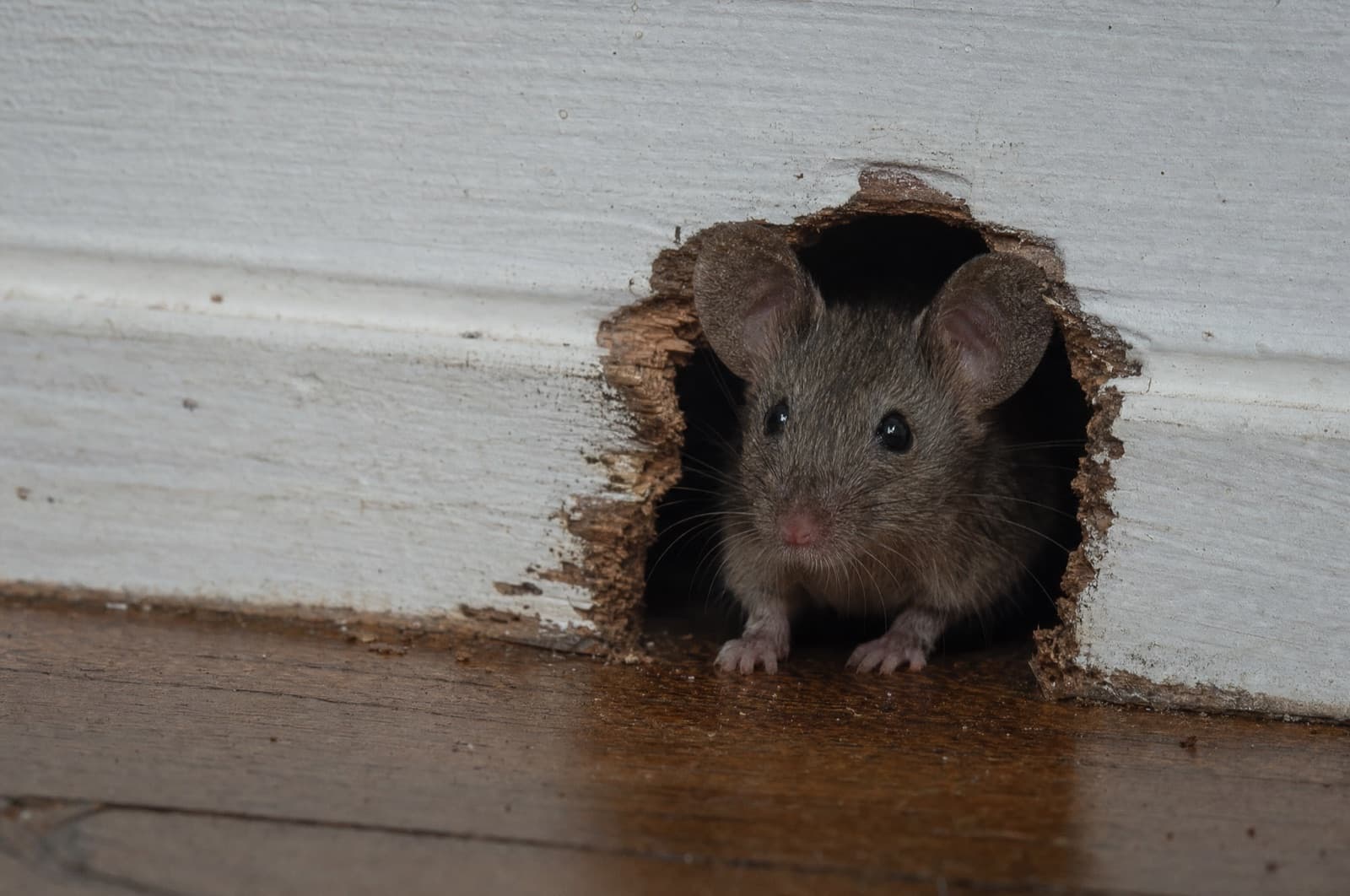
What Is the Best Bait for Mouse Traps?
At a Glance
- Short answer: Peanut butter is the top mouse bait; chocolate, seeds, and nesting material are strong alternatives.
- Key fact: A small tuft of cotton or dental floss can outperform food bait, especially in fall and winter.
- NH relevance: As mice move indoors ahead of NH's fall frost to build winter nests, nesting-material bait becomes especially effective.
- Action needed: Use a pea-sized amount pressed onto a sensitive trigger and place traps against walls; leave unset until bait is taken once to avoid creating trap-shy mice.
The short of it
Peanut butter is the workhorse mouse bait — strong-smelling, sticky, and hard to remove without springing the trap. Chocolate, dried fruit, bacon, and seeds also work well and are useful alternatives where peanut butter has been overused. A distinct, under-used option is nesting material — cotton or dental floss — since female mice actively gather soft fibers, especially in fall and winter. Use pea-sized amounts on a sensitive trigger; cheese is a myth-level choice that ranks low despite the popular image.
What Is the Best Bait for Mouse Traps — By the Numbers
Pea-sized
Recommended bait amount — more lets a mouse feed without triggering
10–30 ft
Typical mouse home range, why placement works fast
1
Overlooked alternative bait: nesting material (cotton/floss)
Low
Where cheese actually ranks in mouse food preference
The honest efficacy verdict
Bait selection for mouse traps
WorksPeanut butter, chocolate, and seeds are well-supported choices; nesting material is a strong seasonal alternative — cheese underperforms all of them.
Evidence: Extension and industry sources converge on peanut butter and chocolate as research-backed standards, with cheese consistently ranked low despite its popular reputation.
- Pea-sized, aromatic bait is pressed or tied to the trigger
- Nesting material is used seasonally (fall/winter) or when food bait is ignored
- Traps are placed against walls in traveled areas
- Bait is oversized or stale
- Cheese is used as the sole bait choice
The full picture
The research-backed standards
University extension guidance names peanut butter, chocolate candy, dried fruit, or a small piece of bacon tied securely to the trigger. Peanut butter is the workhorse — its strong nutty aroma and sticky texture make it hard to remove without springing the trap. Chocolate is a solid alternative, especially where peanut butter has been overused in a home; dark chocolate's stronger aroma helps, and pressing it onto the trigger so it re-hardens makes it steal-resistant.
The under-used option: nesting material
A small tuft of cotton wool, dental floss, or yarn tied to the trigger can outperform food bait, because female mice actively gather soft fibers for nests — particularly in autumn and winter as mice establish winter nests, or whenever food baits are being ignored because the home already offers abundant competing food. Seeds and nuts, like sunflower or pumpkin seed, also work well since mice naturally gnaw seeds.
Two rules that maximize any bait
Use a pea-sized amount — too much lets the mouse feed without triggering the trap — and place traps against walls in dark, traveled areas, since mice run edges rather than open floor. And debunk the cheese myth: mice will eat cheese, but it ranks low versus fatty, sweet, and seed-based options.
Bottom line — Peanut butter is the reliable default, chocolate and seeds are strong alternatives, and nesting material is an under-used option that can outperform food — especially in fall and winter. Keep bait pea-sized and skip cheese as a primary choice.
Bait not getting results?
If the right bait and placement still aren't clearing the problem, it's likely a bigger entry or nesting issue. Anchor's technicians handle exclusion and trapping together.
Why this matters in New Hampshire
As mice push indoors ahead of Manchester's first hard frost (~Oct 19–29, NOAA) to build winter nests, nesting-material bait — cotton or dental floss — becomes especially effective, on top of the usual peanut butter and chocolate standards.
Key local data
Deer mice (Peromyscus) are the hantavirus-relevant species in NH; NH DHHS reports no confirmed case acquired in-state to date.
- NH-licensed applicator · #782664
- Same-day service
- Family-owned since 2017
Service Area Map
Southern New Hampshire
Frequently asked
Written & reviewed by
VerifiedDaniel Brady
NH-Licensed Pesticide Applicator · License #782664 (NHDAMF, RSA 430)
Daniel Brady is the New Hampshire–licensed applicator behind Anchor Pest Services, a family-owned pest control company serving the Manchester area since 2017.
Professional Rodent Control
The Right Bait Helps — Sealing Entry Points Solves It
Bait catches individual mice; exclusion stops the source. Anchor Pest Services combines both for lasting results across southern and central New Hampshire. Family-owned since 2017, NH license #782664.
- Same-day service across southern NH
- NH-licensed applicators (#782664)
- Free inspection — no flat-price guesswork
NH License #782664 · No obligation · We answer in person
Your next step
- Next step
What Materials Can Rats Not Chew Through?
Read the answer - What to do next
How to Use JT Eaton Bait Block Rodenticide with Peanut Butter Flavor
Read the answer - Related guide
What Is the Best Bait for Rat Traps?
Read the answer - Related guide
Do Mice Avoid Traps After Seeing Others Caught?
Read the answer - Related guide
How Often Should I Check Traps for Mice?
Read the answer - Related guide
What Is the Best Bait for Rat Traps?
Read the answer