
How to Use a Tick Comb on Dogs and Cats Effectively
Combing is a homeowner grooming habit, not a service call — a fine-toothed comb is a useful early-detection and removal tool you can use every time your pet comes in.
You've got this, with one honest limit: a comb is built for ticks that haven't attached yet. Once one is embedded, switch to tweezers.
At a glance
- Whose desk: Your hands
- Urgency: Home care OK
- The rest lives at: Ticks & fleas FAQ
Whose job is this, really?
Pet-parasite questions belong to three genuinely different owners. Here's the desk that actually owns this one — even when the honest answer is 'not us.'
Combing is a homeowner grooming habit, not a service call — a fine-toothed comb is a useful early-detection and removal tool you can use every time your pet comes in.
You've got this, with one honest limit: a comb is built for ticks that haven't attached yet. Once one is embedded, switch to tweezers.
What this means for your pet — and when to act
Health-conservative by construction: when in doubt, this escalates. Read the trigger for what moves you up a band.
A grooming technique, not a symptom check
This page is about using a comb correctly — there is no symptom in play, just a detection and removal method with a specific use case.
If combing reveals an already-attached tick that resists removal, or illness signs appear after a bite, switch tools or call your veterinarian as appropriate.
The safe technique, step by step
A fine-toothed tick or flea comb works best as a detection and unattached-tick-removal aid, especially on short-to-medium coats.
Comb slowly in the direction of hair growth, working in overlapping strokes so no area is missed.
Rushing the pass is the most common way ticks get missed.
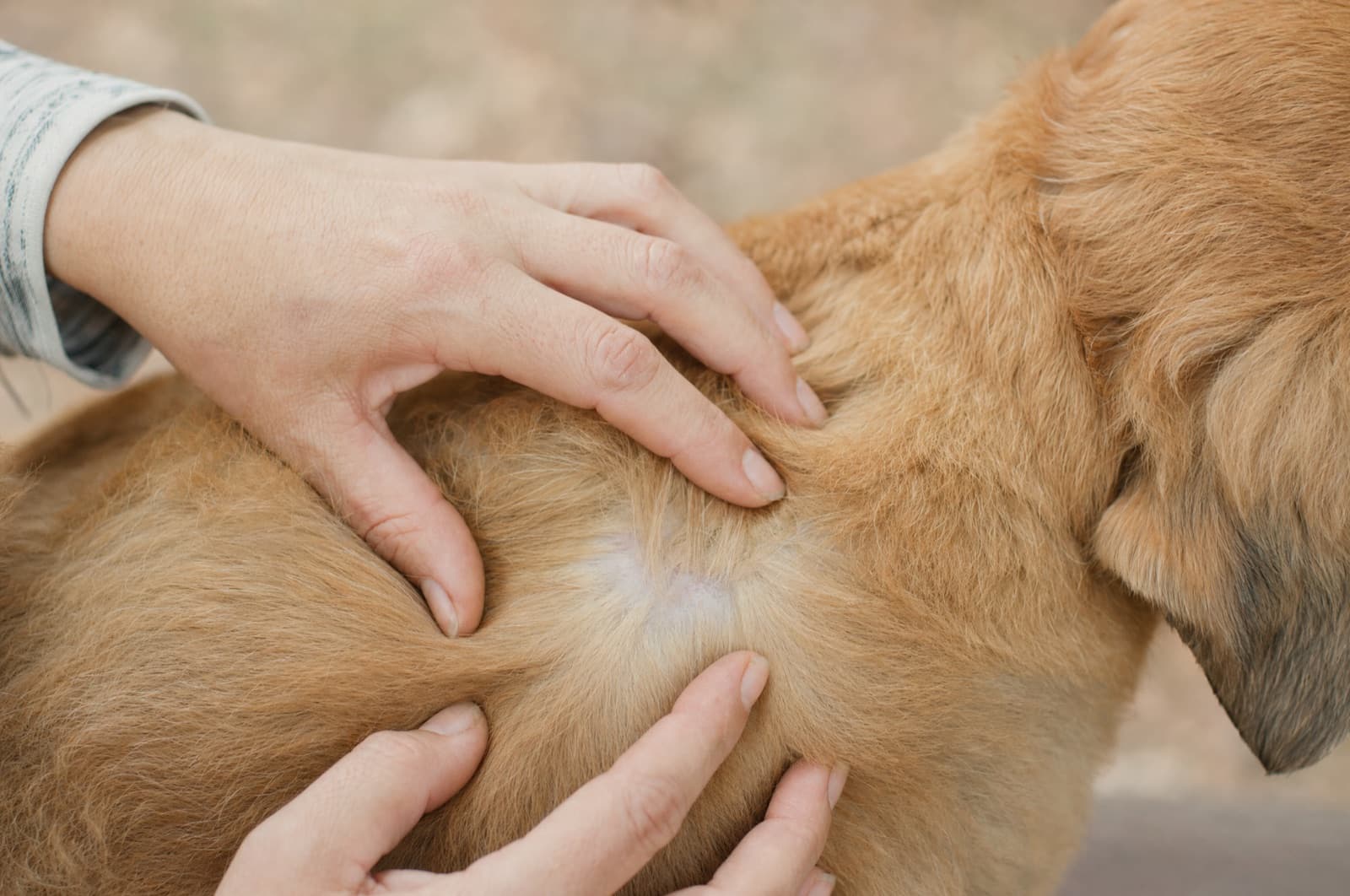
Focus extra time on hot spots: the neck, behind the ears, under the legs, and around the tail base.
These are the same warm, thin-fur zones ticks favor for attachment.
Dip the comb in soapy water or alcohol between strokes to trap and kill anything you catch.
A crawling tick caught in the teeth can otherwise climb right back onto the coat.
If you feel resistance or catch something that doesn't come free easily, stop combing that spot.
Dragging a comb over an already-attached tick can tear it, leaving mouthparts behind.
Switch to fine-tipped tweezers or a tick-removal tool for anything that's already attached, using the standard grasp-close-to-the-skin, steady-pull technique.
A comb is not the right tool for an embedded tick.
- Do not force a comb through a spot where a tick is already attached and feeding — this can tear the tick and leave mouthparts in the skin.
- Do not skip the soapy water or alcohol dip — a comb that just relocates a live tick isn't actually removing the risk.
This hub owns pet-specific prevention
The general biology, the mosquito Q&A, the pet-product safety — those live in siblings that already earn them. Here's exactly where.
General tick biology and product questions live in our ticks & fleas FAQ and pet-product-safety hub. This page covers only comb technique.
How this calibrates for NH
A tick comb is especially useful during New Hampshire's nymph season, mid-May through mid-July, when tiny unattached nymphs are most likely to be crawling on a coat before they find a spot to bite — combing after time outdoors during this window catches many before they ever attach.
NH-licensed applicator #782664 (NHDAMF, RSA 430) · NEPMA member · family-owned since 2017.
Frequently asked
Sources(3)
- [1]CDC
Preventing Ticks on Pets — removal technique and hot spots
- [2]CDC
After a Tick Bite — proper mechanical removal
- [3]UNH Cooperative Extension
New Hampshire nymph seasonality
Written & reviewed by
VerifiedDaniel Brady
NH-Licensed Pesticide Applicator · License #782664 (NHDAMF, RSA 430)
Daniel Brady is the New Hampshire–licensed applicator behind Anchor Pest Services, a family-owned pest control company serving the Manchester area since 2017.
Your next step
Anchor Pest Services
Have a different pest question?
This one may be your vet's call, not a spray — but if you're facing something that is a pest job, we serve Southern New Hampshire with a free inspection and same-day service.
- NH-licensed applicator
- Same-day service
- Pet & family-conscious
NH License #782664 · No obligation · We answer in person