Skip to content
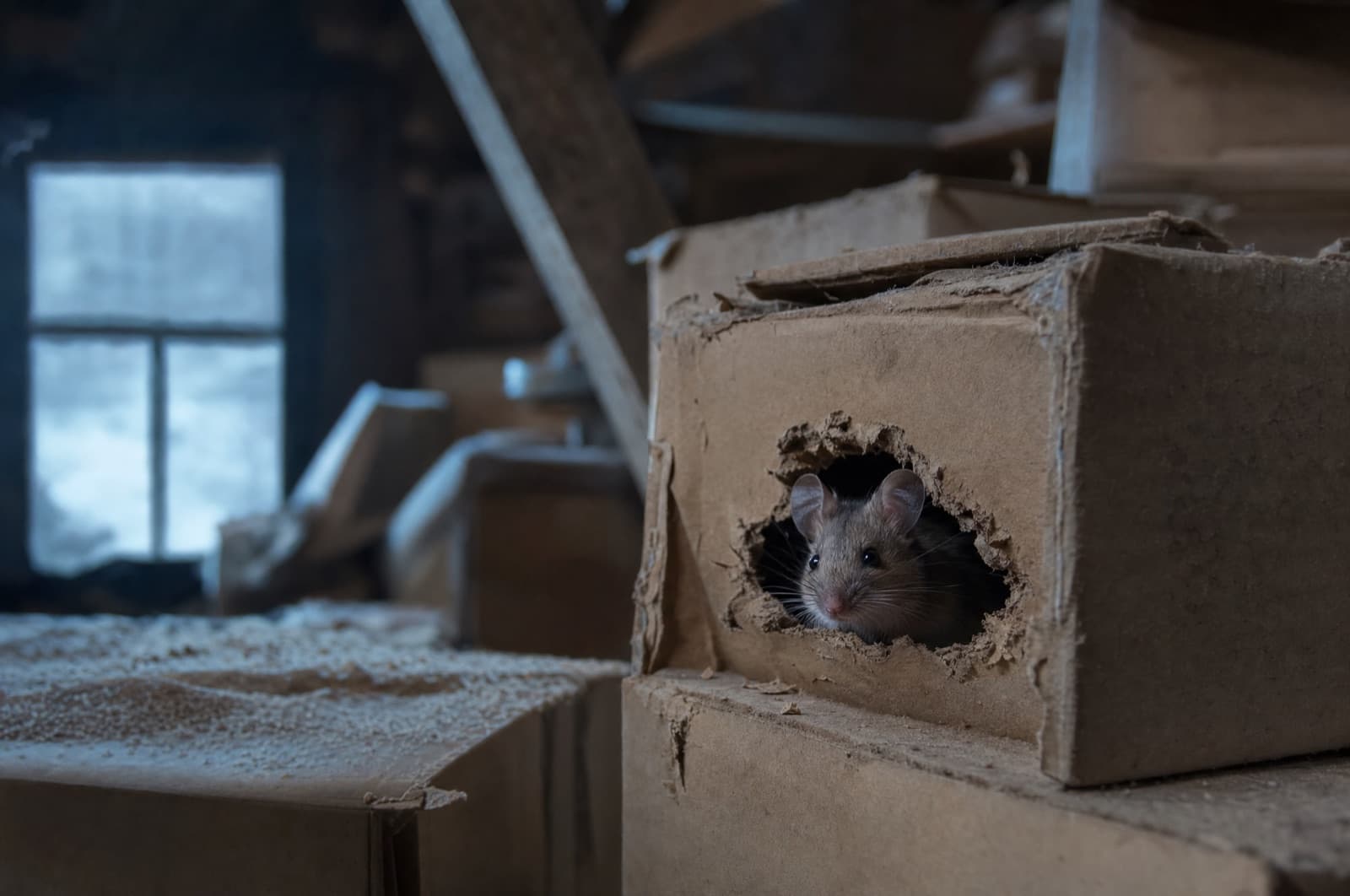
A house mouse in a gnawed cardboard storage box in a cold New Hampshire attic
Daniel Brady · NH-Licensed Pesticide Applicator · License #782664
Reviewed by Daniel Brady

Are natural repellents (peppermint oil, etc.) effective for winter pests?

⚑ That's an upsell
That's an upsell, and a documented one rather than a hunch.Ultrasonic pest-repelling plug-ins have a real federal enforcement history for unsubstantiated claims, and essential oils like peppermint evaporate within hours to days, long before a New Hampshire winter is over, so neither forms a durable barrier at an entry point. These products sell the feeling of having done something productive today while the actual entry point — the gap, the crack, the utility penetration — stays exactly as open as it was before you sprayed or plugged anything in.

At a glance

  • Verdict: That's an upsell
  • Who does it: You
  • Effort: Minutes
  • Payoff: None
The honest answer

The short of it

The verdict
⚑ That's an upsell

Peppermint oil and ultrasonic plug-ins don't hold up against a quarter-inch gap in your foundation — and the ultrasonic devices have a documented federal enforcement history to prove the claims don't hold up either.

The one question under all of them

Is this actually worth doing?

Every winter job lands somewhere on one honest scale — from what genuinely matters to what our own industry is selling you. Here is where this one lands.

The job being graded
That's an upsell

Buying natural repellents (peppermint oil, essential-oil sprays, dryer sheets) or ultrasonic plug-in devices instead of sealing entry points or trapping

The scale
Who does it
You
Effort
Minutes
Payoff
None
What it actually does

Essential oils evaporate within hours to days and never form a lasting barrier at a crack, gap or utility penetration. Ultrasonic sound doesn't reliably penetrate wall cavities or travel around corners where rodents and insects actually live, and rodents habituate to a constant sound source fairly quickly. None of this changes whether the physical opening a pest is using to get in — or the food and shelter it's after once inside — is still there. It's activity, not exclusion.

What's being sold

Ultrasonic pest-repelling plug-ins and "natural" or botanical repellent sprays, marketed as an easy, chemical-free alternative to sealing gaps or trapping rodents.

Why it doesn't hold up

This isn't just a skeptical read — the FTC has a documented enforcement history specifically on this category. In a May 3, 2001 press release, FTC staff announced they had "sent warning letters to more than 60 manufacturers and retailers of ultrasonic pest-control devices," requiring that any efficacy claims be backed by scientific evidence, and noted the agency had already brought enforcement actions against six companies between 1985 and 1997 for the same kind of unsubstantiated claim. A follow-up FTC action in 2002 specifically alleged that electronic/ultrasonic mosquito-repellent claims were false and unsupported by evidence. Essential oils fail for a more mundane reason: they evaporate, so any repellent effect is measured in hours or days, not the months a New Hampshire winter actually requires.

Ask instead — word for word, on the phone

Instead of a repellent, can you do an exclusion inspection and tell me your NH applicator license number and category?

Why it feels productive
Spraying an oil around a doorframe or plugging in a small gadget gives you something to physically do this afternoon, and unlike sealing a foundation gap in a New Hampshire winter, it costs nothing, requires no cold-weather work outside, and feels safer and more natural than anything labeled a pesticide. That's a genuinely appealing combination — cheap, easy, and it smells nice. It just isn't a winter pest fix, because none of those qualities change whether the entry point is open.
Do this instead
Spend the same few minutes finding where cold air (or light) leaks in at floor level, around utility penetrations, or under a door, and seal those with metal hardware cloth, mortar or a proper door sweep — the exclusion and sealing pages elsewhere in this hub cover exactly what to look for, and it costs about the same as the gadget while actually working.

The line

A plug-in gadget can't out-argue a quarter-inch gap in your foundation.

Our honest lane — including on us

Our own industry sometimes sells a "botanical" or "green" winter package that is still just the same perimeter and exclusion work sold under a softer label — that's still an upsell if the actual mechanism doing the work is sealing, not the oil in the sprayer. Anchor's honest position is that exclusion, sealing and monitoring are the genuine winter jobs; we don't sell repellent gadgets, and if a gap needs closing, a caulk gun or a piece of hardware cloth beats any spray or plug-in we could offer you.

In depth

The full picture

01

What's actually being sold, and why it doesn't hold up

Two product categories get marketed as winter pest solutions and deserve to be graded separately, because they fail for different reasons. Ultrasonic plug-in devices claim to emit sound that repels rodents or insects; essential-oil sprays and "natural" repellents (peppermint oil chief among them) claim to create a scent barrier pests won't cross.

Ultrasonic devices fail on physics: the sound doesn't reliably travel through wall cavities, around corners, or into the spaces where rodents and insects actually live and travel, and rodents that are exposed to a constant sound source tend to habituate to it rather than staying repelled. Essential oils fail on chemistry: peppermint and similar oils are volatile, meaning they evaporate steadily once applied, so whatever repellent effect exists is measured in hours to days — a fraction of a New Hampshire winter. Neither product addresses the actual entry point a pest is using, which is the one thing that determines whether it gets in at all.

02

The FTC's documented enforcement history

This grade isn't based on general skepticism about "natural" products — it's based on a specific federal enforcement record. On May 3, 2001, the FTC announced it had sent warning letters to more than 60 manufacturers and retailers of ultrasonic pest-control devices, requiring that any efficacy claims be backed by scientific evidence, and noted the agency had already brought enforcement actions against six companies between 1985 and 1997 over the same category of unsubstantiated claim. A separate 2002 FTC action specifically targeted electronic and ultrasonic mosquito-repellent claims as false and unsupported.

That's a two-decade-plus paper trail of the federal government finding these specific claims wanting, not a one-off complaint. It's also consistent with the finding on the same product category made by the sibling /fall-invaders-faq hub — essential oils and ultrasonic devices grade out the same way there, for the same underlying reasons.

03

What actually works instead

The honest alternative isn't more expensive or more complicated — it's just less marketed, because it doesn't require anyone to sell you a product. Sealing the physical gaps a pest is using to enter (foundation cracks, utility penetrations, worn door sweeps) with metal, mortar or hardware cloth removes the entry point permanently rather than trying to make the air around it unpleasant. For rodents already inside, a plain mechanical trap, placed correctly, is the extension-preferred method — not a scent or a sound. Both of these are covered in depth elsewhere in this hub's sealing and monitoring clusters, and both cost about the same as a bottle of essential oil or a plug-in gadget, with the difference that they actually change whether pests can get in.

Key takeaways
5 points
  • Ultrasonic pest repellers have a documented FTC enforcement history dating to the 1980s, with a 2001 warning-letter sweep of 60+ manufacturers and a 2002 action against false ultrasonic/electronic mosquito-repellent claims.
  • Essential oils like peppermint evaporate within hours to days — far short of a New Hampshire winter — so they never form a durable barrier.
  • Neither product changes whether the actual entry point (a gap, crack or utility penetration) is open.
  • These products feel productive because they're cheap, safe-seeming and something you can do right now — that appeal is real, it just isn't the same as working.
  • Sealing gaps and using a plain mechanical trap cost about the same and actually address the problem.
New Hampshire context

Why repellents lose to exclusion in a New Hampshire winter

New Hampshire's cold season is long and the rodent pressure is real. Per NOAA climate normals, Manchester's first hard frost typically lands between October 19 and 29 -- and that cold snap is exactly what pushes rodents toward the warm structure they can smell across a foundation. The house mouse (Mus musculus) is the classic structure-invader here; wildlife-damage research (ICWDM) notes house mice stay active year-round and are most likely to move indoors as temperatures cool in the fall. In wooded and rural NH properties you'll also see native white-footed and deer mice (Peromyscus), which don't hibernate but may go torpid for a few days when weather turns severe -- then resume moving toward warmth.

Against that biology, an evaporating oil or a plug-in gadget simply doesn't hold a barrier for the months a NH winter runs. A mouse driven indoors by a hard October frost walks past a scent to reach heat and food. Physical exclusion -- sealing gaps with metal hardware cloth and mortar before that frost window -- is the thing that actually stops entry.

  • NH-licensed #782664

    Southern New Hampshire

  • Family-owned

    Since 2017

  • Honest routing

    Even when it isn’t us

We serve these communities

ManchesterNashuaConcordDerryBedfordSalemHudsonAmherst

The gadget can't out-argue an open gap.

Sealing entry points and setting a plain mechanical trap cost about the same as the gadget and actually work. If you'd rather have a professional exclusion inspection, that's the part we do.

Follow-up questions

Frequently asked

Sources & citations(3)
  1. FTC — FTC Warns Manufacturers and Retailers of Ultrasonic Pest-Control Devices (2001)

    Warning letters sent to 60+ manufacturers/retailers of ultrasonic pest devices; prior enforcement actions 1985-1997

    govverified 2026-07-16
  2. FTC — FTC Alleges Electronic/Ultrasonic Mosquito Repellent Claims Are False (2002)

    Ultrasonic/electronic repellent efficacy claims found false and unsupported by evidence

    govverified 2026-07-16
  3. MU Extension — Controlling House Mice

    Ultrasonic devices ineffective for rodent control; exclusion and trapping preferred

    extensionverified 2026-07-16

Written & reviewed by

Verified

Daniel Brady

NH-Licensed Pesticide Applicator · License #782664 (NHDAMF, RSA 430)

Daniel Brady is the New Hampshire–licensed applicator behind Anchor Pest Services, a family-owned pest control company serving the Manchester area since 2017.

Verify license

Last updated Jul 2026

Honest pest help for New Hampshire homes

We Don't Sell Gadgets. We Seal Gaps.

Ultrasonic devices and essential oils have a documented track record of not holding up, and we'd rather tell you that than sell you a greener-labeled version of the same thing. Anchor Pest Services does the work that actually holds -- exclusion inspections and rodent trapping. Family-owned since 2017, NH license #782664, serving Manchester, Nashua, Concord and nearby towns.

  • Honest advice — we'll say when a product is an upsell, including from our own industry
  • NH-licensed applicators (#782664) — free inspection, same-day service
  • Rodent exclusion and winter pest control across southern and central New Hampshire

NH License #782664 · No obligation · We answer in person