
Skip to content
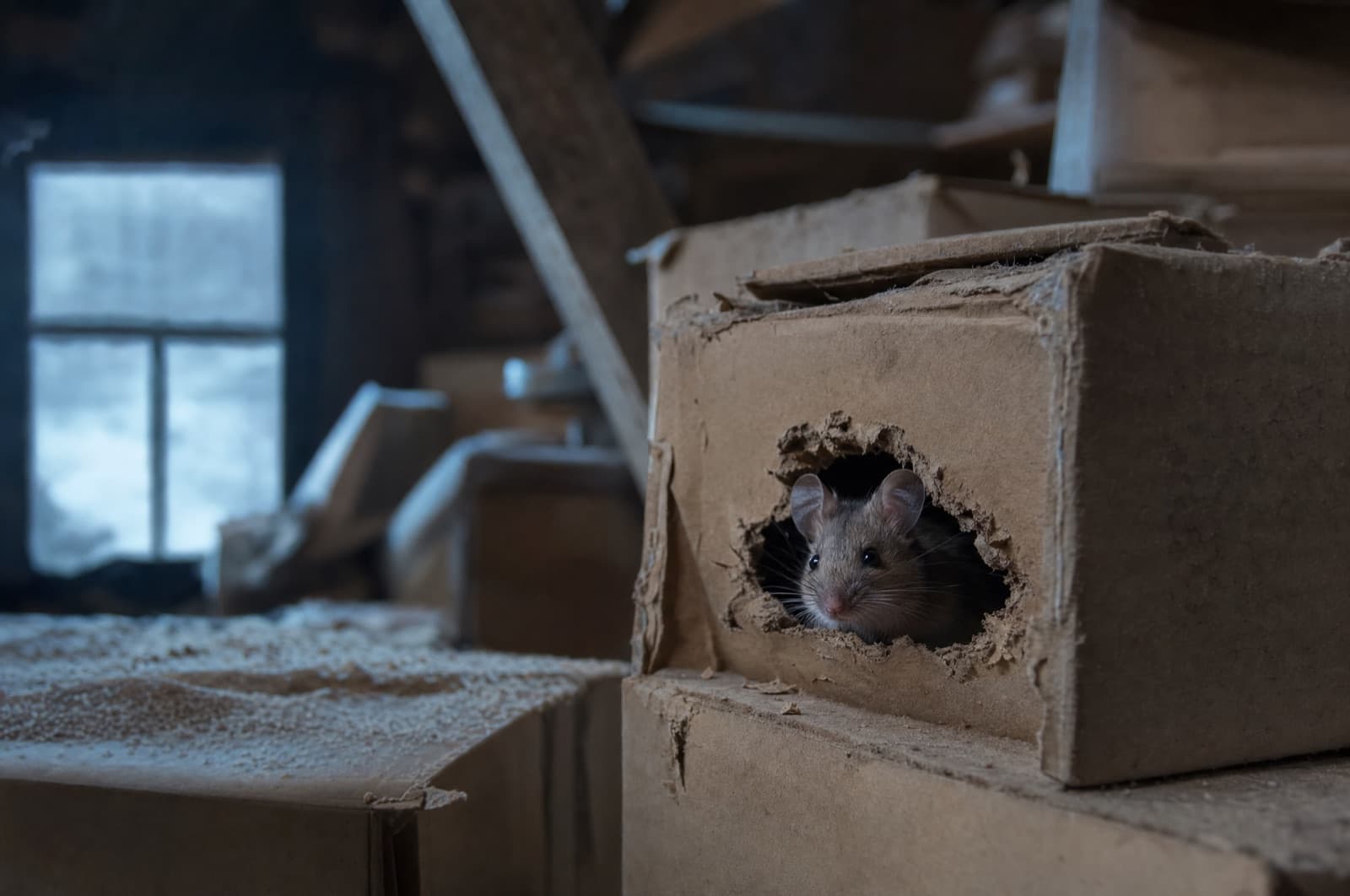
A house mouse in a gnawed cardboard storage box in a cold New Hampshire attic
Daniel Brady · NH-Licensed Pesticide Applicator · License #782664
Reviewed by Daniel Brady

Should homeowners schedule inspection after winter for pest damage?

Do it now
Yes, scheduling a post-winter inspection is worth doing.Winter is when rodents nest and breed indoors undisturbed, and when ice-dam and condensation damage accumulates unseen behind snow and insulation. Early spring, as snow melts, is when attic and insulation access becomes safe again and when accumulated nesting activity and moisture damage both become visible for the first time since fall. This is a genuine timing recommendation grounded in the biology and the weather, not a manufactured seasonal special.

At a glance

  • The verdict: Do it now
The honest answer

The short of it

The verdict
Do it now

Yes -- early spring, as snow recedes, is the right window to see who moved in over the winter and what the season's moisture actually did.

When it has to happen

The winter timing window

The window
Act now

Late March through April in New Hampshire, as snow melts and attic access becomes safe.

Why that date

Indoor rodent breeding continues unchecked through the winter -- mice breed year-round indoors, and DC Health notes people commonly see more rodent activity in two seasonal peaks: October and November, and again April through June, driven by spring breeding. A post-winter inspection timed to late March through April catches accumulated nesting activity before that spring surge fully takes hold, and it coincides with melting snow revealing ice-dam and condensation damage that was invisible while snow and ice covered the roof.

If you missed it
This isn't a narrow, time-critical window the way pre-frost sealing is -- you can inspect at any point after the snow clears, and it's still worth doing before summer if you suspect any winter activity. The value comes from checking before the spring breeding surge accelerates a problem that's already present, not from hitting an exact date.
Next year’s date
Schedule the post-winter walk-through for late March or April annually, as a standing companion to the pre-frost inspection each fall -- together they bracket the season on both ends.
In depth

The full picture

01

Why after winter is the right time, not just a convenient one

The case here rests on two separate mechanisms that both point to the same season. First, indoor rodent populations don't pause for winter the way outdoor populations do -- mice breed year-round indoors, and DC Health's guidance describes two seasonal peaks in rodent sightings, one in the fall as animals first move in, and a second from April through June driven by spring breeding. An inspection in early spring catches whatever nested and bred over the winter before that second peak compounds the problem.

Second, ice-dam and attic-condensation damage builds up over the winter in ways that are physically hidden by snow and ice until it melts. UMN Extension describes how ice-dam meltwater can flow into attic spaces and sometimes reach walls or ceiling finishes -- damage that simply isn't visible or safely inspectable while the roof is still under snow load.

02

What a post-winter inspection is actually looking for

Two categories of finding, and it matters which one you're looking at. Rodent activity: nests, droppings, gnaw marks, and any sign of a population that's been growing undisturbed since fall, particularly in attics, basements, and crawl spaces where activity concentrates. Moisture damage: water stains, darkened or rotting sheathing, and rusted roofing nails from ice dams or condensation, which are frequently mistaken for pest damage but require a different fix entirely, a roofer or insulation contractor, not pest control.

Getting that distinction right before starting any repair matters because the two problems don't share a solution, and treating one as the other wastes money without fixing anything.

03

This isn't a manufactured seasonal special

It's worth naming directly that a lot of "seasonal pest service" marketing is the same year-round work sold with different timing language attached. This recommendation isn't that: the biological trigger, spring breeding compounding whatever nested over winter, and the physical trigger, snowmelt revealing moisture damage that was previously hidden, are both real, sourced mechanisms specific to this time of year, not a calendar-driven upsell. Standard homeowners insurance also generally excludes rodent damage as preventable maintenance, which is a separate, practical reason to find and address damage promptly rather than delay.

Key takeaways
5 points
  • Indoor mice breed year-round, and DC Health documents a spring rodent-sighting peak from April through June driven by that breeding -- a post-winter inspection gets ahead of it.
  • Ice-dam and condensation damage builds up under snow and ice cover and only becomes visible once snow melts in early spring.
  • Late March through April is the practical window in New Hampshire -- safe attic access, melted snow, and timing ahead of the spring breeding surge.
  • This isn't time-critical the way pre-frost sealing is -- inspecting any time after snowmelt, and before summer, still captures the value.
  • Repair scope, not a dollar figure, answers what a finding costs: cleanup, a DIY patch, a trade visit, or a contractor project, depending on what's found.
New Hampshire context

Post-winter inspection timing in New Hampshire

New Hampshire's snow load and freeze-thaw cycles mean attic and roofline damage simply can't be assessed safely until snow clears, typically putting the practical inspection window at late March through April across most of the southern and central part of the state. That timing also lines up with the tail end of the fall/winter indoor-rodent peak and just ahead of the spring breeding surge DC Health describes running April through June.

Pairing this post-winter check with the pre-frost inspection each fall gives a New Hampshire home two structured look-overs a year, timed to the two moments when conditions actually change, rather than one generic annual visit that happens to land in neither window.

  • NH-licensed #782664

    Southern New Hampshire

  • Family-owned

    Since 2017

  • Honest routing

    Even when it isn’t us

We serve these communities

ManchesterNashuaConcordDerryBedfordSalemHudsonAmherst

Snow just melted and you're not sure what you'll find?

A post-winter inspection catches nesting activity before the spring breeding surge, and moisture damage before it spreads further.

Follow-up questions

Frequently asked

Sources & citations(3)
  1. DC Health — The Changing Seasons

    Seasonal rodent-sighting peaks: fall entry and spring breeding surge (April-June)

    govverified 2026-07-16
  2. ICWDM — House Mouse Biology

    Indoor mice breed year-round, sustaining populations through winter

    extensionverified 2026-07-16
  3. University of Minnesota Extension — Dealing with and Preventing Ice Dams

    Ice-dam meltwater damage mechanism, visible only after snowmelt

    extensionverified 2026-07-16

Written & reviewed by

Verified

Daniel Brady

NH-Licensed Pesticide Applicator · License #782664 (NHDAMF, RSA 430)

Daniel Brady is the New Hampshire–licensed applicator behind Anchor Pest Services, a family-owned pest control company serving the Manchester area since 2017.

Verify license

Last updated Jul 2026

Honest pest help for New Hampshire homes

See What Winter Left Behind, Before Spring Makes It Worse.

A post-winter inspection catches rodent activity before the spring breeding surge and moisture damage while it's still a manageable scope. Anchor Pest Services gives you an honest read on which is which, and what it actually takes to fix. Family-owned since 2017, NH license #782664, serving Manchester, Nashua, Concord and nearby towns.

  • Honest diagnosis — pest damage versus moisture damage, correctly identified
  • NH-licensed applicators (#782664) — free inspection, same-day service
  • Post-winter inspection across southern and central New Hampshire

NH License #782664 · No obligation · We answer in person