
How To Get Rid Of Bugs During The Winter?

Don't wait - every day increases health risks and property damage. These aggressive rodents multiply rapidly and spread dangerous diseases.

Professional elimination is the ONLY safe and effective solution. DIY methods fail 90% of the time and can make the problem worse.

24 Hours

Average response time

100%

Satisfaction guarantee

Call now for same-day, eco-friendly pest control

With over 20 years of experience, Anchor Pest offers personalized, chemical-safe yearly subscriptions, protecting homes and businesses across Manchester and surrounding counties with ongoing peace of mind.

(603) 785-0118

Contact Us

How Do Bugs Survive During The Winter?


How bugs survive winter


Most bugs don’t tough it out like warm-blooded animals. They slow way down, hide in insulated spots, make natural “antifreeze,” and often spend winter in a safer life stage (egg, larva, pupa, or sheltered adult). Some migrate long distances; many die but leave cold-hardy eggs behind.


Main survival strategies


  • Diapause: A controlled sleep-like pause; growth stops and energy use drops.
  • Antifreeze chemicals: Sugars and glycerol lower body fluids’ freezing point.
  • Supercooling: Staying liquid below 0°C by avoiding ice-nucleating particles.
  • Freeze tolerance: Some survive ice forming in body spaces in a controlled way.
  • Life-stage timing: Overwinter as egg/larva/pupa/adult depending on species.
  • Shelter seeking: Hide where temperatures swing less and wind is blocked.
  • Fat storage and dehydration: Build fat for fuel; shed water to reduce ice risk.
  • Clustering: Lady beetles and bees huddle to share warmth and humidity.
  • Migration: Monarchs and some dragonflies move to warmer regions.


Typical hiding places


  • Under bark, inside logs, and tree cavities.
  • In soil, leaf litter, compost, and mulch.
  • Within plant stems, seeds, and galls.
  • Rock piles, stone walls, and south-facing cracks.
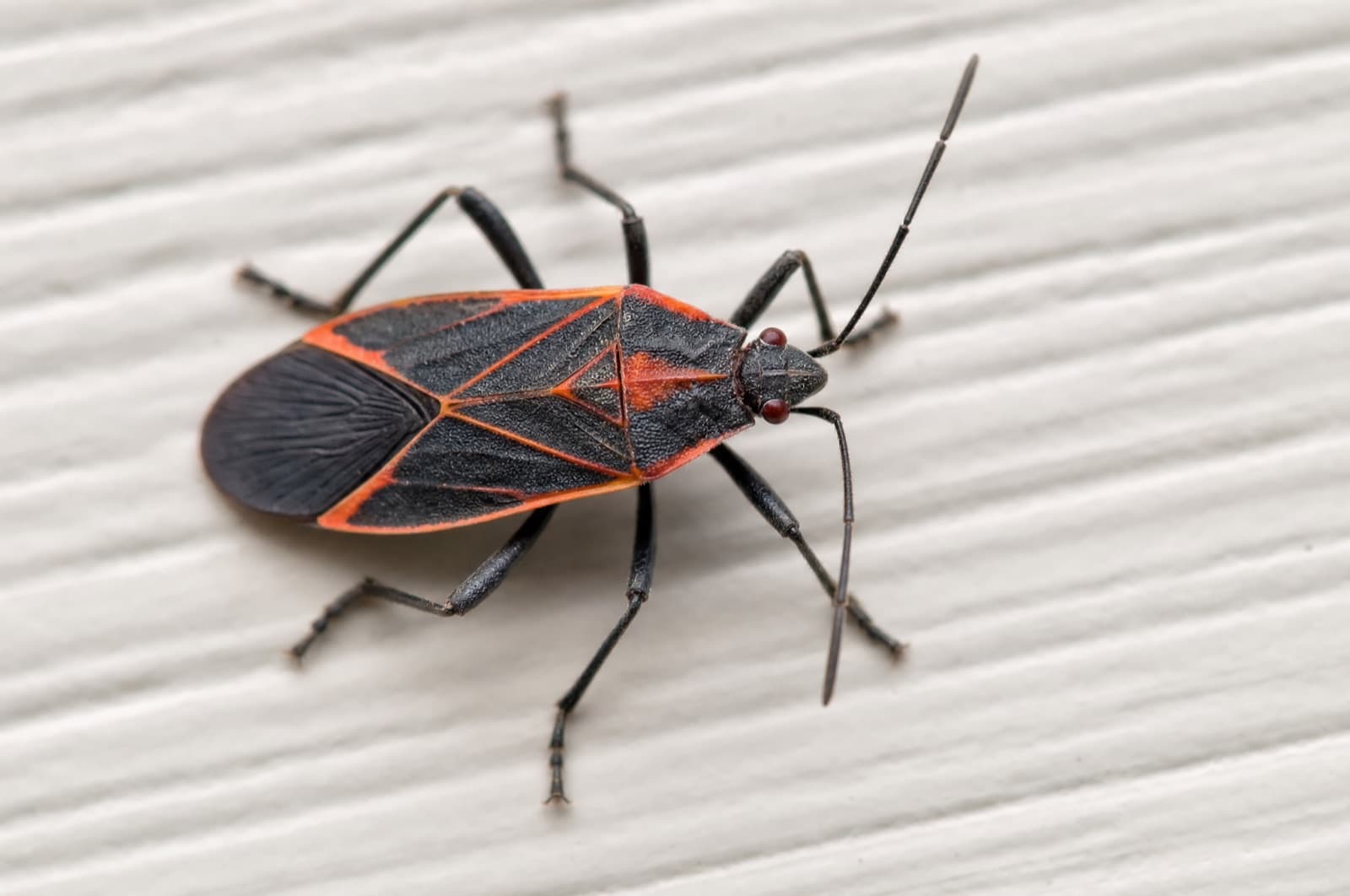
  • Buildings: attics, siding gaps, window frames (e.g., stink bugs, boxelder bugs).


Why they reappear in spring


Warmer days and longer light end diapause. Survivors feed, mate, and lay eggs; overwintered eggs hatch. Indoors, heated homes wake resting bugs early; they don’t breed inside, but seek light trying to get back out.

Protect Your Family Today

Professional pest control eliminates troubles immediately. Our safe, effective treatments protect your loved ones from dangerous diseases.

Signs Of Bugs During The Winter

Most winter bug signs are subtle: tiny droppings or specks, shed skins or wings, webbing or holes in food packages or fabrics, musty or sweet odors, insects gathering at windows on sunny days, and bites or blood spots in beds.


Common Winter Bug Signs


  • Cockroaches: Pepper-like droppings in cabinet corners, coffee-ground specks under sinks, oval egg cases, musty odor, smear marks along baseboards.
  • Bed bugs: Itchy bites in lines/clusters, pinhead black dots (droppings) on mattress seams, tiny blood smears on sheets, shed skins, sweet-musty smell.
  • Pantry pests (moth/beetle): Silk webbing in cereal/flour, tiny larvae, pinholes in packages, grain dust clumping, small moths near pantry at dusk.
  • Carpet beetles/clothes moths: Threadbare patches in wool, shed larval skins (papery), tiny pellets, adult beetles at windows.
  • Stink bugs/lady beetles/cluster flies: Dozens gathering on sunny windows or attics, slow-moving adults appearing from walls when heat rises.
  • Drain flies: Fuzzy, moth-like flies in bathrooms; larvae in slimy film of drains.
  • Termites/ants (warm regions): Piles of shed wings near sills, sand-like frass (drywood termite droppings), faint tapping sounds in walls.


Where and How to Check Quickly


  • Use a flashlight at night in kitchens and bathrooms; inspect under sinks, behind appliances, along baseboards.
  • Examine mattress seams, bed frames, and nearby outlet plates; bag any suspect specks for ID.
  • Inspect pantry staples in sealed containers; discard infested items and vacuum shelves.
  • Check window sills, attic dormers, and warm light fixtures for gathered insects and shed wings.
  • Test drains by lifting stoppers; scrub slime and pour boiling water to disrupt larvae.

How To Get Rid Of Bugs During The Winter?

Seal entry points, reduce moisture and food, clean consistently, use traps and vacuuming for bugs present, and bring in a pro if activity continues.


Seal Their Way In


  • Caulk cracks and gaps 1/16 inch or larger around windows, doors, and siding.
  • Install door sweeps; weatherstrip doors and windows.
  • Screen attic, crawl-space, and dryer vents with 1/16-inch mesh; repair window screens.
  • Seal utility penetrations (cables, pipes) with silicone or expandable foam.
  • Cap chimneys; close fireplace dampers when not in use.


Remove What Attracts Them


  • Keep indoor humidity at 30–50% with dehumidifiers; fix leaks fast.
  • Vent bathrooms and kitchens to the outside, not into attic.
  • Store food (and pet food) in airtight containers; clean crumbs nightly.
  • Take trash out regularly; use tight-lidded bins.
  • Store firewood off the ground and 20 feet from the house; switch outdoor lights to warm/yellow LED or keep them off.


Get Rid of Bugs You Already See


  • Vacuum stink bugs, lady beetles, and cluster flies; empty the bag outdoors.
  • Place sticky traps along baseboards and behind appliances.
  • Lightly apply diatomaceous earth in cracks; avoid breathing dust.
  • Use labeled gel baits for roaches; avoid foggers and broad sprays indoors.


Winter Hot Spots to Check


  • Attics, basements, crawl spaces, utility rooms, and sump pits.
  • Behind refrigerators, under sinks, and around boilers/furnaces.
  • Gaps at door thresholds and window frames.
  • Packages and houseplants; isolate new plants for 1–2 weeks.


When to Call a Pro


  • Persistent sightings, roaches, bed bugs, or large infestations.
  • Allergies/asthma in the home or sensitive areas (nursery, elder care).
  • Ask for integrated pest management, sealing, and exterior perimeter treatments.

Spotted Any of These Signs?

Don't risk your family's health. Our certified technicians can be at your property within 24 hours.

Professional Solution That Actually Works

Our certified technicians eliminate pests infestations completely and permanently.
Here's what you get:

🔍

Immediate Assessment

Trained experts identify entry points and nesting areas

🛡️

Safe Treatment

Pet and family-friendly methods used

🎯

Complete Elimination

Targets entire colony, not just visible insects or rodents

📋

Prevention Plan

Long-term exclusion strategies

🧽

Health Protection

Proper cleanup and sanitization

Guarantee

Service warranty and follow-up visits

Our 3-Step Elimination Process

🔍

1. Immediate Inspection

Complete property assessment within 24 hours

🎯

2. Targeted Elimination

Safe, effective treatment of entire colony

🛡️

3. Prevention Plan

Long-term exclusion and monitoring

Ready to Solve This Problem Forever?

Join thousands of satisfied customers who chose professional pest control.
100% satisfaction guarantee.

Quarterly Subscription Plans • Licensed & Insured • Same-Day Start • 100% Satisfaction Guarantee