
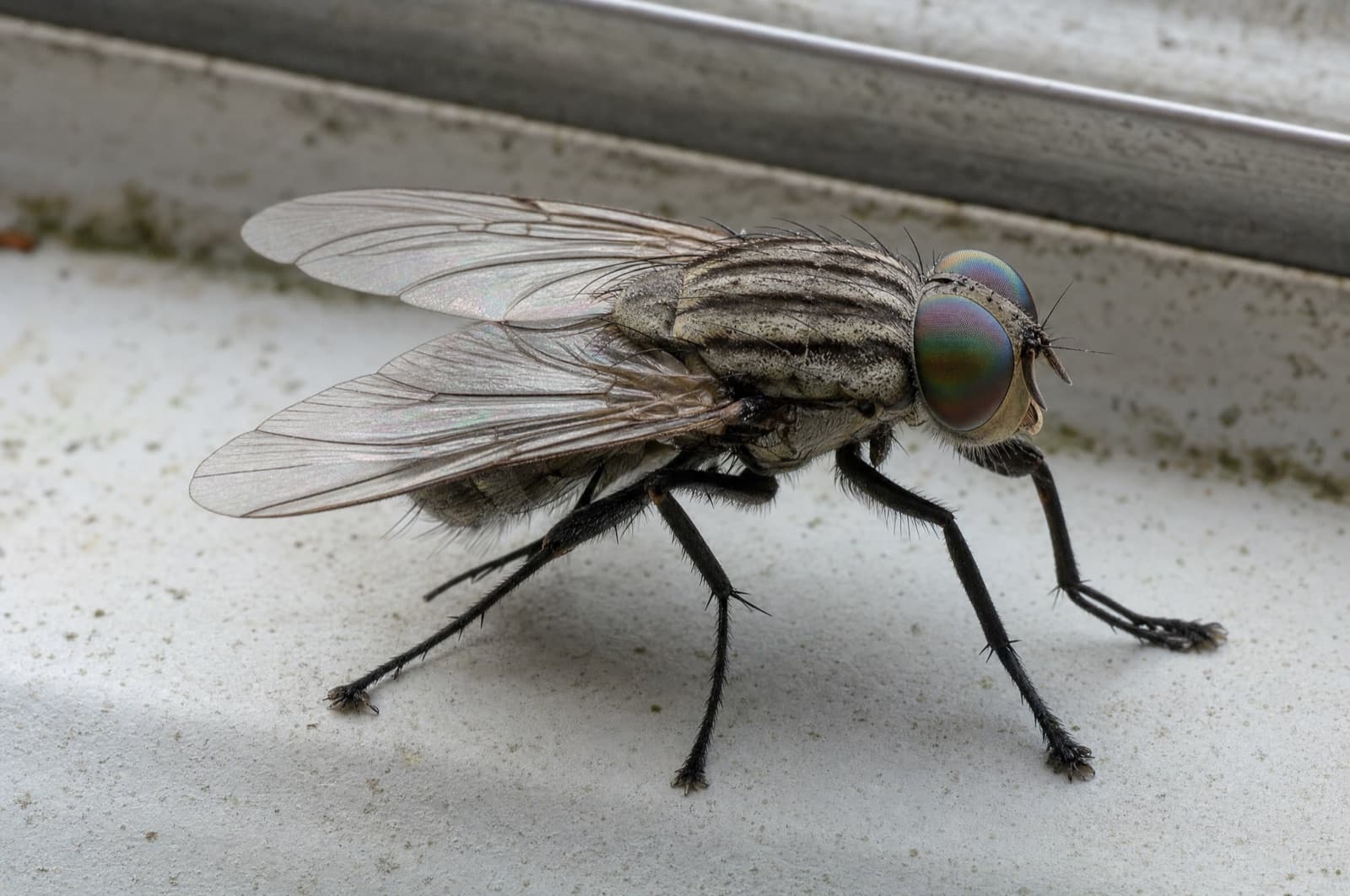
How To Get Rid Of Flies During The Winter?

Don't wait - every day increases health risks and property damage. These aggressive rodents multiply rapidly and spread dangerous diseases.

Professional elimination is the ONLY safe and effective solution. DIY methods fail 90% of the time and can make the problem worse.

24 Hours

Average response time

100%

Satisfaction guarantee

Call now for same-day, eco-friendly pest control

With over 20 years of experience, Anchor Pest offers personalized, chemical-safe quarterly subscriptions, protecting homes and businesses across Manchester and surrounding counties with ongoing peace of mind.

(603) 785-0118

Contact Us

How Do Flies Survive During The Winter?


How flies make it through winter


Most flies survive winter by going dormant in safe places. Depending on the species, they pause as adults, pupae, larvae, or eggs; slow their metabolism (diapause); make natural “antifreeze” to avoid freezing; and wait for warmth to return.


Where they hide and which stage survives


  • Adults: Houseflies and cluster flies crawl into attics, wall voids, barns, sheds, tree cavities, and under bark. They become sluggish, burn very little energy, and can live several months.
  • Pupae (cocoons) or larvae (maggots): Many species stay in soil, compost, manure, or leaf litter, often below the frost line where temperatures are steadier.
  • Eggs: Some lay cold-hardy eggs in autumn on decaying matter; these hatch when temperatures rise.


How their bodies resist freezing


Diapause is an insect version of hibernation: hormones tell the body to pause growth, lower activity, and conserve energy. To avoid ice damage, flies build up glycerol and sugars (antifreeze molecules) and special proteins that stop ice crystals from forming. They also lose some body water, which further reduces freezing risk. Many “supercool,” staying liquid even below 0°C until a deep freeze forces ice.


Why you still see flies in winter


Warm microclimates wake them. Sunny south-facing walls, compost heaps, animal burrows, and heated buildings can stir dormant adults. Indoors, fruit flies persist on ripe fruit, spills, or fermenting drains, while cluster flies emerge from attics and windows on warm days.

Protect Your Family Today

Professional pest control eliminates troubles immediately. Our safe, effective treatments protect your loved ones from dangerous diseases.

Signs Of Flies During The Winter


What winter fly activity looks like


In winter, indoor flies usually mean either overwintering adults waking on warm, sunny days (common with cluster and house flies) or flies breeding somewhere inside (fruit, drain, phorid, or fungus gnat). Signs include sluggish flies at windows/lights, groups hiding in attics or spare rooms, tiny flies near drains or plants, pepper-like specks (droppings) on sills, and sudden bursts of large flies if something has died in a wall or attic.


Specific signs you’ll notice


  • Slow, dozy flies gathering on sunny window sills or buzzing in light fixtures—classic overwintering cluster/house flies.
  • Dozens appearing from attic hatches, window frames, or behind curtains on bright afternoons.
  • Tiny “moth-like” flies resting on sink/shower walls or near floor drains—drain flies; often with a slimy drain film.
  • Small tan flies hovering over fruit, recycling, or garbage disposals—fruit flies; check for overripe produce or sticky bins.
  • Pinhead-sized gnats around potted plants, rising when you water—fungus gnats; soil stays constantly damp.
  • Ant-like, hunched flies that run more than fly near trash or drains—phorid flies; can signal broken, leaking, or dirty plumbing.
  • Black pepper-like specks on walls, sills, lampshades—fly droppings; plus dry brown oval husks (spent pupal cases) on sills.
  • Musty/rotting odor and a sudden burst of big flies from a room, vent, or light—possible dead rodent/bird nearby.
  • Clusters of dead flies accumulating on upper-floor sills or in attic spaces.


Where to check first


  • Sunny upper-floor windows, attic access points, and unused rooms.
  • Kitchen drains, disposals, recycling, and produce storage.
  • Bathroom and basement floor drains, sump pits, laundry sinks.
  • Potted plant soil and saucers.
  • Behind appliances, inside light fixtures, and around wall/ceiling voids.

How To Get Rid Of Flies During The Winter?

Most winter flies come from three places: cluster flies hiding in walls/attics, drain/fruit flies breeding indoors, and fungus gnats from houseplants. Get rid of them by removing breeding sources, trapping/killing adults, sealing entry points, and lowering moisture.


Identify the source fast


  • Large slow flies at sunny windows on warm days: cluster flies (from walls/attic).
  • Tiny dark, moth-like flies near sinks or floor drains: drain flies (slime in pipes).
  • Small tan flies around fruit, recycling, or mops: fruit flies (rotting organics).
  • Tiny flies around potted plants: fungus gnats (wet soil).
  • Confirm: tape over a suspect drain overnight; flies stuck = drain issue.


Eliminate current flies


  • Vacuum clusters on windows; empty or seal the bag immediately.
  • Use sticky traps (yellow cards by plants; window glue traps elsewhere).
  • Bait traps: apple cider vinegar + a drop of dish soap in a bowl or jar.
  • UV glue light traps in dark rooms/attics for ongoing catch.
  • Drains: scrub inside walls with a stiff brush, then use an enzyme/biological drain cleaner nightly for 5–7 days; flush hot water after. Avoid only bleach—it misses slime.
  • Plants: let top 1–2 inches of soil dry, replace top layer with sand or fresh mix, reduce watering.
  • Quick knockdown: a pyrethrin aerosol labeled for indoor flying insects; ventilate and follow label.


Stop new ones


  • Seal: caulk around window/door frames, add weatherstripping and door sweeps, repair screens, cover attic/soffit vents with 1/8-inch mesh.
  • Dust inaccessible wall/attic voids with silica gel or diatomaceous earth (light puff, keep out of living air).
  • Lower humidity to 40–50% (dehumidifier; fix leaks).
  • Store produce sealed/refrigerated; empty trash/recycling nightly; clean mops and drains weekly.
  • Run water weekly in seldom-used drains; use drain strainers.
  • Persistent swarms or drain issues after cleaning: call a pro to treat exterior cluster-fly sites or inspect plumbing.

Spotted Any of These Signs?

Don't risk your family's health. Our certified technicians can be at your property within 24 hours.

Professional Solution That Actually Works

Our certified technicians eliminate pests infestations completely and permanently.
Here's what you get:

🔍

Immediate Assessment

Trained experts identify entry points and nesting areas

🛡️

Safe Treatment

Pet and family-friendly methods used

🎯

Complete Elimination

Targets entire colony, not just visible insects or rodents

📋

Prevention Plan

Long-term exclusion strategies

🧽

Health Protection

Proper cleanup and sanitization

Guarantee

Service warranty and follow-up visits

Our 3-Step Elimination Process

🔍

1. Immediate Inspection

Complete property assessment within 24 hours

🎯

2. Targeted Elimination

Safe, effective treatment of entire colony

🛡️

3. Prevention Plan

Long-term exclusion and monitoring

Ready to Solve This Problem Forever?

Join thousands of satisfied customers who chose professional pest control.
100% satisfaction guarantee.

Quarterly Subscription Plans • Licensed & Insured • Same-Day Start • 100% Satisfaction Guarantee